
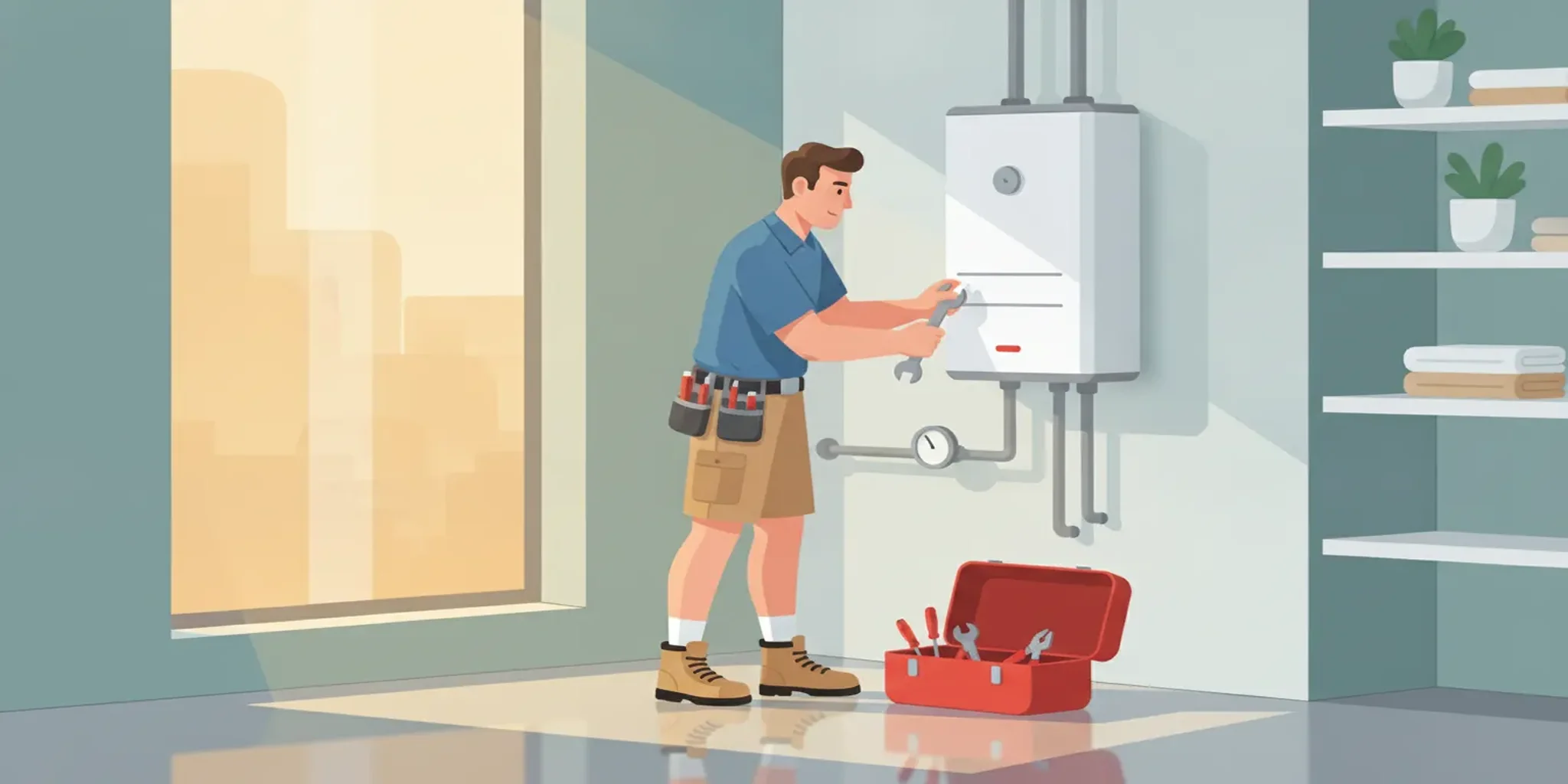
Water Heater vs Tankless: Choosing the Right System
Cold water midway through a morning shower is a clear sign your water heater needs replacing. Deciding on the right replacement system for your Treasure Coast home affects your comfort and energy bills for decades.
Book an Appointment to have a Miranda pro assess your hot water needs and quote an efficient replacement system for your Treasure Coast home.
The water heater vs tankless decision comes down to weighing upfront purchase prices against long-term energy efficiency and equipment lifespan. Conventional storage tanks are cheaper to purchase and install but keep a large volume of water pre-heated at all times, causing steady standby energy losses. In contrast, tankless units heat water on demand only when a tap is turned on, which saves valuable floor space and eliminates standby losses entirely. This process makes tankless systems much more efficient, reducing water heating bills by up to 34% according to ENERGY STAR guidelines. Standard tanks typically last ten to fifteen years, while a durable tankless unit can last over twenty years with proper maintenance and care.
But how do these two systems actually make hot water for your daily needs? To find the right fit for your home, you must first learn the basic differences between them.
How Does a Storage Tank Water Heater Work vs a Tankless Unit?
To make the best choice, you must see how each system heats your water. A standard tank and a tankless unit use different paths to warm your water. One keeps water hot all day, while the other heats water only when you turn on a tap. These traits affect your energy bills, your comfort, and how much space you have.
How storage tanks keep water hot
Standard tank water heaters are the most common systems in our area. These units hold a large amount of water in a tall metal cylinder. You can buy them in different sizes to fit your household needs. Tank sizes often start at 30 gallons for one or two people and can go up to 80 gallons or more for a large family.
A tank system works by keeping your water hot at all times. A burner or heating element heats the water to a set temperature and keeps it there. Because the water is preheated, you get hot water right away when you turn on the tap. But this method has a downside. The system must run throughout the day to keep the water warm, even when you are asleep or at work. This constant heating leads to standby energy loss. To see more details about these systems, read about water heater repair and care and how to keep your unit running.
How tankless systems heat on demand
On-demand units do not use a storage tank. Instead, tankless water heaters heat water only when you turn on a hot water faucet. When you open a tap, cold water flows into the unit. A gas burner or an electric element heats the water as it passes through the system. Since the water heats up fast, the system does not need to store hot water.
Because they do not store water, these systems do not suffer from standby heat loss. This makes them much more efficient than tank models. They can also give you an endless supply of hot water. You will not have to worry about the shower going cold because the tank is empty. But you must make sure that the unit is sized right for your home. If the unit is too small, it will not be able to keep up when you run multiple taps at the same time.
Key differences to keep in mind
When you look at a water heater vs tankless, you are looking at a choice between store-and-save vs heat-on-demand. Tank units are cheaper to buy at first but cost more to run over time. Tankless models cost more to install but use less energy and last much longer. Our local team can help you look at your hot water use and pick the best option for your household budget.
What Does a Tankless Water Heater vs a Tank Cost to Run and Maintain?
Buying a new water heater is a big choice for your home. You must look at both the upfront price and the monthly bills. Standard tank water heaters are cheaper to buy, set up, and maintain at first. If you want to know how a tank water heater replacement works, they store hot water in a large tank. But a tankless system can save you more money over time on your energy bills.
Upfront Costs and Energy Bills
Standard tanks are cheaper to buy and install. But the price of switching to a tankless unit depends mostly on installation costs. You may need to upgrade gas lines, venting, or your electric service. For maintenance, standard tanks are also simpler and cheaper to keep up over time.
A water heater's energy efficiency is measured by the Uniform Energy Factor (UEF). You can read about this measure on the ENERGY STAR water heater page. A higher UEF rating means the system is more efficient.
Tankless systems save money because they have no standby energy losses. They only heat water when you turn on a tap. For homes that use 41 gallons or less of hot water daily, tankless systems are highly efficient. They can be 24% to 34% more energy efficient than standard tanks, according to the ENERGY STAR tankless guide. Even high-usage homes that use about 86 gallons per day see an 8% to 14% boost in efficiency when they use a tankless unit.
How to Compare Annual Costs
When you shop for a new system, you should look for the yellow Energy Guide label. This label shows you the estimated yearly cost to run the unit. You should check this label closely before you make your choice. It is a simple tool to compare the costs of a water heater vs tankless model.
Lifespan and Long-Term Value
A tankless water heater has a much longer lifespan than a standard tank. In South Florida, the local climate and water quality can affect how long each system lasts. Most tankless units last more than 20 years. In contrast, standard storage tank water heaters only last 10 to 15 years.
This long life helps offset the higher initial price of a tankless system. Also, tankless units have parts that are easy to replace. This means you can extend their life even longer with basic care. If you need water heater replacement services, our team can help you find the best fit for your budget.
Comparing Hot Water Output: Tank vs Tankless for a Florida Home
When you look at a water heater vs tankless system, hot water output is the main detail to study. Both systems can keep your Florida home comfortable, but they do it in different ways. Sizing the unit to match your daily routine is the best way to get steady hot water.
Storage tank hot water capacity
A storage tank water heater keeps water hot and ready at all times. Standard tank sizes run from 30 gallons to over 80 gallons to match your home size. This pre-heated water flows to your taps quickly when you turn on a faucet. You can learn more about how conventional water heaters are replaced to see how they store heat. But once you empty the tank, you must wait for the system to heat a fresh batch of water.
Tankless flow rates and limitations
In contrast, tankless water heaters do not store hot water. They heat water on demand as it flows. This means they do not have standby heat loss. Standby loss occurs when a stored water system cools down and must turn on to stay hot. A tankless unit can give you an endless flow of hot water, but the rate of that flow has limits.
Most tankless systems give you hot water at a rate of 2 to 5 gallons per minute. Gas models often give higher flow rates than electric units. If you run a shower and a dishwasher at the same time, a single unit can reach its limit. To solve this issue, you can set up two or more units to share the load.
System size and space savings
The actual size of the unit is another big factor for Florida homes. A standard tank is bulky and takes up floor space in a closet or garage. A tankless water heater is small and mounts on a wall. This design saves floor space, which is great for homes with small utility rooms. It also keeps the system safe from any minor floor leaks.
| Feature | Storage Tank Water Heater | Tankless Water Heater |
|---|---|---|
| Hot Water Flow | Stores 30 to 80 gallons of pre-heated water. | Gives 2 to 5 gallons per minute on demand. |
| Standby Heat Loss | Cools down over time, requiring periodic reheating. | No standby loss because it only heats when in use. |
| Space Needed | Takes up large amount of floor space. | Mounts on the wall to save floor space. |
| Simultaneous Use | Handles multiple tasks until the tank runs empty. | May struggle or require multiple units for peak use. |
How Do Florida's Hard Water and Humidity Affect Your Choice of Water Heater vs Tankless?
Florida has a unique climate and water chemistry. These local factors shape how plumbing systems perform in our area. When choosing between a water heater vs tankless option, Treasure Coast homeowners must look at more than just the upfront cost.
Hard water minerals and salty air can affect system lifespan and efficiency. You need to know how these elements work with each design before you buy.
Hard water and scale buildup
One major local challenge is the mineral content in Florida groundwater. High levels of calcium and magnesium make our water hard. The impact of hard water on water heaters can be severe for on-demand systems. When hard water is heated, these minerals turn solid and cling to metal surfaces inside the unit.
In a tankless unit, this scale forms on the heat exchanger. The scale blocks heat transfer and forces the system to work harder, which reduces efficiency and can cause parts to fail early. Tankless systems require yearly flushing with a mild acid to clear out this scale. Standard tanks also get scale buildup, but their larger size helps them handle minor mineral deposits.
Coastal humidity and warm groundwater
Our coastal area is humid and carries salt air, which can rust outdoor metal casings and pipes quickly. For local homes, choosing a durable system is key to keeping your hot water running. Standard tanks are often stored in garages or closets where they stay dry. Outdoor tankless models are exposed to salt air, which can shorten their lifespan if they are not built with high-quality parts.
On the other hand, Florida groundwater is warm. This warm inlet water means your heating system does not have to heat the water as much. In cold northern states, water enters a home at low temperatures, which requires a large system to heat. In places like Port St. Lucie, our warm water lets you install a smaller, less costly tankless unit and still get plenty of flow.
Boosting solar water heating
Many Florida homes use solar panels to heat their water. Solar systems work well when the sun is bright, but they can struggle on cloudy days or during heavy rain. A tankless water heater can serve as a booster for these solar setups. The on-demand unit only turns on when the solar tank does not meet your heating needs.
Our team at Miranda Plumbing & Air has served the Treasure Coast since 1981. We have dual expertise in both plumbing and climate control. This helps us understand how local heat and hard water affect your home. We can assess your water usage, water quality, and space to find the perfect hot water solution.
Which Water Heater Is Right for Your Treasure Coast Home?
Choosing between a water heater vs tankless system for your Florida home can feel tough. Every home has its own needs for hot water. Sizing the system right will make sure you never run out during a busy morning. To make the best choice, you must look at how your family uses water each day.
Key factors for your home
To find the right fit, you should look at three main things before you buy:
- Check your daily hot water demand and how many people use it.
- Count the number of bathrooms and fixtures in your home.
- Set a realistic budget for the purchase and installation.
These simple steps will help you narrow down your choices.
A standard tank unit stores hot water so it is ready to use. This works well for homes with high peak demand at a single time. But if you have a large family, a tankless unit can give you an endless flow. A local pro can help you choose between these options based on your daily habits.
How local water affects sizing
Florida homes have a unique advantage. The groundwater here is warm, which means your system does not have to work as hard to heat the water. But hard water is a common issue on the Treasure Coast. High mineral levels can cause scale to build up inside your heater. Our team offers expert plumbing services to check your water quality and protect your new system.
Sizing must be done right by a licensed pro. A plumber needs to check your home's setup before putting in a new system. They will check your gas lines, venting, and power lines to make sure everything is safe. Sizing the unit for your peak flow is key to getting steady hot water.
Smart ways to compare costs
You can compare water heater efficiency and yearly running costs using the yellow ENERGY STAR water heater page. This label is found on new systems and shows how much energy the unit uses. Looking at these numbers helps you see the long-term value of each option before you buy.
Changing your system is a smart step for your home. When you are ready to make a change, we can help. Our team gives free written quotes before any work begins. We use a Straightforward Pricing Guide so you never have to worry about hidden fees or surprises.
If you are ready for a new system, you should look for local water heater replacement services. A licensed pro will make sure your new unit is sized right for your family. Getting a pro sizing check will ensure your hot water needs are met for years to come.
Book an Appointment for a free water heater consultation, and our licensed team will help you choose and size the right system for your home.
Frequently Asked Questions
How long do traditional water heaters last compared to tankless models?
According to the U.S. Department of Energy, storage tank water heaters often last ten to fifteen years. In contrast, tankless water heaters can last more than twenty years because they have parts that are easy to replace. But the salty air and hard water on the Treasure Coast can shorten this lifespan if you do not get yearly tune-ups.
Do tankless water heaters save energy?
Yes, tankless systems save energy by only heating water when you turn on a tap. This stops the standby energy loss of keeping a large tank warm all day. The U.S. Department of Energy says they are up to thirty-four percent more efficient for homes using forty-one gallons or less daily.
Are tankless water heaters worth the investment?
A tankless unit can be worth the cost if you plan to stay in your home long enough to recoup the setup costs. While a tankless system saves money on power bills and lasts twice as long, it costs more to buy and install. New gas lines or electric panels can raise the upfront cost, as noted by Marrs Heating and Air.
How do I choose between a storage tank and a tankless system for my home?
To choose the right system, you should look at your daily hot water needs, your budget, and how many bathrooms you have. Large families who use a lot of water at the same time often do best with a large storage tank. If you want to save space and have an endless supply of hot water, a tankless unit is a great fit.
Ready to Upgrade Your Treasure Coast Water Heater?
An old, weak water heater in your Florida home can lead to sudden leaks, cold showers, and high power bills. Choosing professional water heater installation and replacement services today secures a highly efficient system that keeps your showers hot and your power bills low. Do not wait for a complete system breakdown; our local team can help you pick the perfect unit today.
Book an Appointment to get a free water heater quote and consultation on the Treasure Coast. Our local experts are available around the clock to answer your plumbing questions. We will evaluate your current setup and help you find the best unit for your home.
Need plumbing or HVAC service on the Treasure Coast?
Contact Miranda Plumbing & Air