
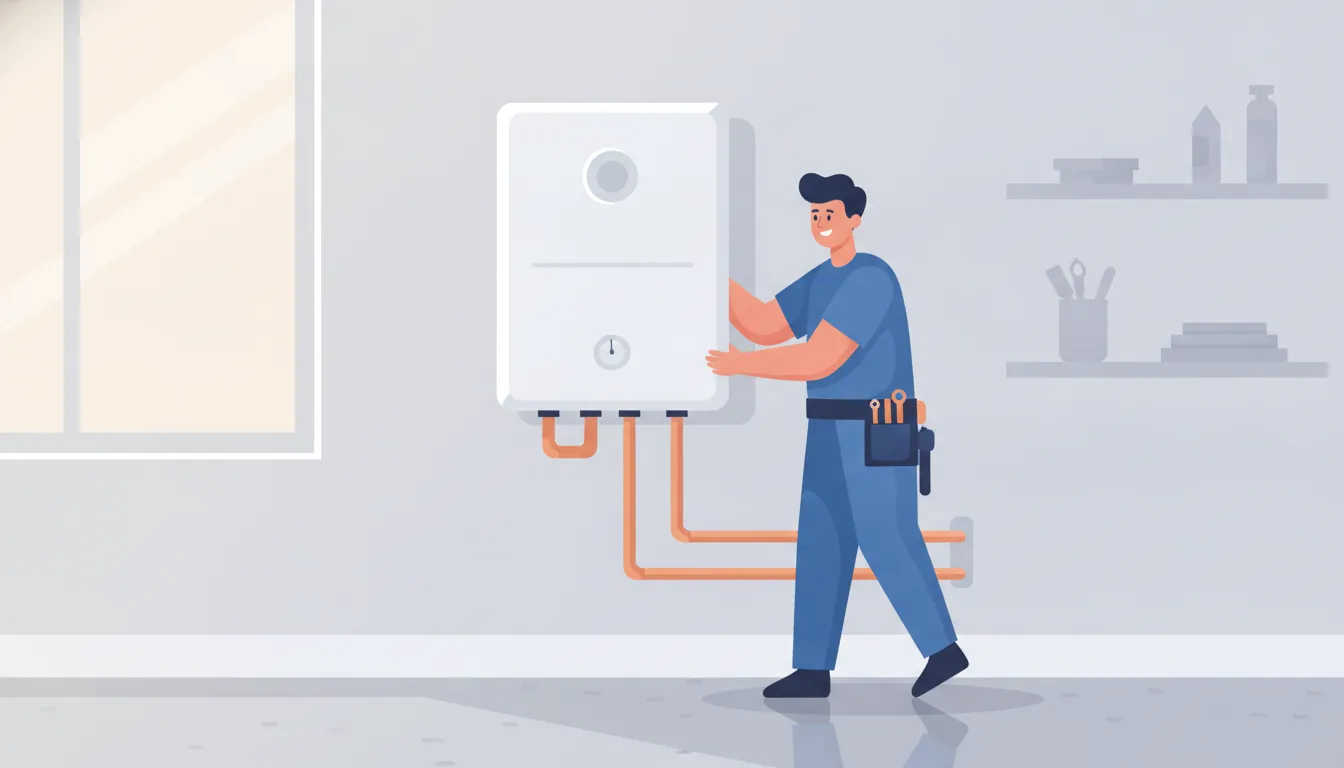
Tankless Water Heater Installation Stuart: What to Expect
A new tankless water heater can be an excellent fit for a Stuart home, but the installation is more than swapping one appliance for another. The system must match your household's hot-water demand, available gas or electrical capacity, venting needs, and local code requirements. In the Treasure Coast's hard-water conditions, planning for long-term scale control also matters.
Professional tankless water heater installation stuart homeowners can rely on starts with a detailed assessment, continues with code-conscious equipment sizing and connection work, and ends with startup testing. Miranda provides upfront pricing, licensed expertise, and clear guidance from the first visit through final operation.
Miranda has served Florida's Treasure Coast since 1981, bringing more than 44 years of experience to residential plumbing projects. The first step is understanding how your home uses hot water and what the property can support. So the recommended system performs reliably instead of creating avoidable upgrades later. Contact Miranda to schedule your tankless water heater installation consultation in Stuart.
What Happens During a Tankless Water Heater Assessment in Stuart?
A tankless water heater assessment starts with how your household actually uses hot water, not with choosing a unit from a catalog. A Miranda technician evaluates the home, discusses your routines, and identifies the conditions the new system must handle. That preparation helps make a professional tankless water heater installation a practical fit for your Stuart property.
How is household demand evaluated?
The technician considers the fixtures and appliances that may run at the same time. A morning shower, dishwasher, washing machine, or another bathroom fixture can create a very different demand pattern from a home with one occupant and limited simultaneous use. The goal is to understand the peak flow your household is likely to need, then select equipment that can deliver hot water without being undersized for everyday conditions.
Miranda's sizing approach is based on household demand as part of a code-compliant installation. The assessment may also consider the home's existing plumbing layout, available installation location, and whether the current setup can support the selected tankless unit. Gas and electric systems have different requirements, so the assessment identifies those needs before installation work begins.
Why do temperature rise and flow rate matter?
Two measurements are central to tankless sizing: temperature rise and flow rate. Temperature rise is the difference between the incoming water temperature and the temperature needed at the fixtures. Flow rate is the amount of hot water the home may require at one time. Proper sizing accounts for both, rather than relying only on the unit's maximum output or the size of an old storage tank.
This matters in Stuart because the system must respond to local conditions and your home's actual demand. A unit selected without enough capacity may struggle when several fixtures operate together. One selected far beyond the home's needs may add unnecessary expense. A careful assessment gives you a more useful basis for comparing equipment and planning the installation.
What will Miranda explain before work begins?
After reviewing the home and sizing requirements, Miranda explains the recommended approach and the work involved. The company provides upfront, transparent pricing before installation begins, so you can understand the expected investment instead of sorting through surprise charges later. Miranda has served Florida's Treasure Coast since 1981, bringing more than 44 years of plumbing and home-service experience to the conversation. That legacy supports a straightforward process: assess the demand, explain the options, and price the work clearly before moving forward.
How Miranda Handles Tankless Water Heater Installation in Stuart Step by Step
A professional tankless installation is more than replacing one appliance with another. Miranda's team coordinates the plumbing, fuel or electrical requirements, mounting, venting, and startup so the system can deliver dependable hot water safely. The company installs both traditional tank and tankless water heaters, helping Stuart homeowners choose the right arrangement for their household and home.
- Turn off and drain the existing water heater. The technician begins by shutting off the water supply and the energy source to the old unit. The tank is drained and disconnected carefully to reduce the risk of leaks, burns, or water damage. Removing the old equipment also lets the team inspect the surrounding connections, shutoff valves, drain path, and installation area before the new system is positioned.
- Confirm the system size and required upgrades. Tankless equipment is selected around household demand, including the temperature rise needed and the flow rate required when fixtures operate at the same time. The technician also determines whether the home needs a gas-line upgrade or a dedicated electrical circuit. Tankless heaters can run on gas or electricity, but either option must be matched to the home's existing infrastructure. A high-demand unit that is undersized, improperly supplied, or connected to an inadequate circuit may not perform as expected.
- Prepare the installation location and mount the unit. Unlike a storage tank, a tankless heater is a compact wall-mounted appliance. Miranda secures it in an appropriate location with the clearances and access needed for operation and future service. The mounting surface must support the equipment, and the placement must allow the water, fuel or electrical, condensate if applicable, and vent connections to be routed cleanly.
- Connect the water lines and safety components. The incoming cold-water line and outgoing hot-water line are connected to the unit using properly fitted components. The technician checks shutoff access and confirms that the connections are supported and sealed. Depending on the home's setup, additional valves or service connections may be installed to make future maintenance easier. This stage is also an opportunity to account for Stuart's hard-water conditions, which can contribute to mineral scale inside the heat exchanger.
- Complete gas, electrical, and venting work. Gas models require correctly sized gas supply lines and approved venting. Electric models may require upgraded wiring or circuits to meet the heater's high-demand load. These connections are not interchangeable or suitable for guesswork. Miranda completes the work according to the equipment requirements and applicable plumbing and electrical standards, with attention to safe routing and weather conditions common to Treasure Coast homes.
- Start up, test, and explain the system. After the installation is complete, the technician turns on the water and energy supply, checks for leaks, verifies ignition or electrical operation, and tests hot-water delivery. Final startup confirms that controls, temperature settings, flow, and venting are working properly. The team reviews operation and maintenance recommendations with the homeowner, including the value of periodic flushing in a hard-water area. Most professional installations can be completed in a single day, although gas or electrical upgrades may affect the schedule.
Miranda brings more than 44 years of Treasure Coast experience to this work, with licensed plumbing and air conditioning professionals serving local homeowners. The goal is a clean, code-conscious installation that works correctly from the first startup, not simply a fast equipment swap.
What Permits and Code Requirements Apply to Tankless Installation in Stuart?
Installing a tankless water heater in Stuart is more than removing an old unit and mounting a new one. The work may involve plumbing connections, electrical service, gas piping, ventilation, condensate management, and equipment clearances. Because each part must be installed safely and correctly, local permits and inspections are typically required to confirm compliance with applicable plumbing and electrical codes.
Martin County permit requirements can vary with the home's existing setup and the type of tankless system selected. A gas model may require changes to the gas line and venting, while an electric model may need a properly sized circuit or additional electrical capacity. A professional contractor can identify which permits apply, prepare the installation details, and help navigate the permit process rather than leaving the homeowner to interpret requirements alone.
Why do plumbing and electrical codes matter?
Codes are designed to protect the home and the people living in it. Correct connections help reduce the risk of leaks, overheating, electrical faults, improper combustion, or unsafe exhaust gases. Code-compliant work also helps ensure that the unit receives the water, gas, or electrical supply it needs to perform as designed. Miranda sizes installations around household demand and follows local requirements as part of the installation process.
Permits and code compliance can also matter later. If a home is sold, remodeled, or inspected after a problem, permitted work provides a record that the installation was completed through the proper process. Manufacturer warranty terms may also require professional installation, and mistakes made during an unapproved installation can create avoidable warranty concerns. Professional installation is recommended for safety, warranty compliance, and adherence to local codes.
Contact Miranda for a straightforward tankless installation consultation in Stuart.
How can you verify that your installer is qualified?
Ask who will handle the permits, whether the work will be inspected, and which portions of the installation require plumbing or electrical expertise. You should also receive clear information about the equipment, planned upgrades, startup testing, and warranty coverage before work begins. These questions make the scope easier to understand and help prevent surprises after installation.
Miranda Home Services holds Florida Plumbers License CFC1427227 and AC License CAC1815486 and serves homeowners across the Treasure Coast. With roots reaching back to 1981, the company brings local experience to Stuart homes facing Florida's heat, humidity, and hard-water conditions. A licensed professional can coordinate the installation details, complete final testing, and leave you with a system that is ready to operate within the applicable requirements. As Stuart tankless water heater experts, the team understands the local permitting landscape and property conditions firsthand.
Why Proper Sizing Matters for Your Stuart Home
A tankless water heater does not store a large reserve of hot water. It heats water as it moves through the unit, so the system must be matched to the demands of your Stuart household. A model that looks powerful on paper may still struggle if several fixtures need hot water at the same time.
Correct sizing begins with two related questions: how much the water temperature must increase, and how much water your home needs to flow at once. This evaluation is an important part of a code-compliant installation, because system sizing should be based on household demand rather than a one-size-fits-all recommendation. Miranda includes that assessment when planning tankless water heater installation in Stuart.
How Does Temperature Rise Affect Sizing?
Temperature rise is the difference between the incoming water temperature and the temperature you want at the fixture. A larger temperature rise requires the heater to work harder. Incoming water conditions can vary by season and property. So an installer should account for the actual demands of the home instead of relying only on the unit's maximum output.
For example, a household may need a comfortable shower temperature even when the incoming water is cooler. The selected heater must have enough capacity to raise that water to the desired temperature while still maintaining the needed flow. If this calculation is skipped, the system may deliver water that feels lukewarm when demand increases.
What Does Household Flow Rate Have to Do With It?
Flow rate describes how much water your fixtures use at the same time. One shower has a different demand from two showers running while a washing machine or kitchen faucet is also using hot water. Your installer should consider the fixtures that may operate together, not just the number of people in the home.
Simultaneous use is where many sizing mistakes become obvious. Choosing a unit that is too small can lead to inconsistent or lukewarm water during busy periods. Choosing a much larger unit without reviewing the home's actual fuel supply, electrical service, venting, and demand can also create unnecessary installation costs. The goal is not simply to choose the biggest available heater. It is to select a properly matched system and confirm that the supporting connections can handle it.
Can Miranda Help Me Compare Tank and Tankless Options?
Yes. Miranda installs both traditional tank and tankless water heaters, so the recommendation can reflect your home's layout, usage patterns, available utilities, and priorities. A careful review helps you understand what the equipment and installation require before work begins, with upfront pricing provided before the project starts.
With more than 44 years serving Florida's Treasure Coast, Miranda Plumbing & Air brings local experience to water-heater decisions in Stuart. Proper sizing is one of the most important steps in achieving reliable hot water, protecting equipment, and avoiding a disappointing result after installation.
What Are the Benefits of a Tankless Water Heater in Stuart?
For many Stuart homeowners, the biggest advantage of a tankless water heater is having hot water produced when it is needed instead of stored in a large tank. That demand-based design can support busy households, create more usable space, and reduce some of the energy waste associated with keeping stored water hot.
How can tankless technology improve daily comfort?
A properly sized tankless unit can provide a continuous supply of hot water. So a household is less likely to run out after back-to-back showers, laundry, or other everyday demands. The system still needs to be matched to the home's flow rate and temperature-rise requirements. But it does not have the same fixed storage limit as a conventional tank.
Tankless equipment is also compact. Because there is no large storage tank taking up floor space, homeowners may be able to reclaim room in a garage, utility closet, or other service area. This can be especially useful in smaller Stuart homes or properties where storage space is already limited.
Can a tankless water heater lower energy waste?
Storage heaters periodically use energy to keep a tank of water hot, even when no fixture is running. A tankless system avoids that standby heating pattern by operating as hot water is requested. Energy efficiency varies with the unit, fuel type, household demand, installation quality, and water-use habits, so tankless is not an automatic guarantee of lower utility bills. However, demand-type water heaters are recognized for avoiding standby losses associated with storage systems. ENERGY STAR's water-heater guidance provides additional information about efficiency considerations when comparing models.
How does a tankless unit compare to a traditional tank?
| Feature | Tankless Water Heater | Traditional Tank Water Heater |
|---|---|---|
| Hot water supply | On demand, no fixed storage limit | Limited by stored tank capacity |
| Space | Compact, wall-mounted | Large floor-standing storage tank |
| Standby energy loss | Avoids storing hot water between uses | Reheats stored water even when unused |
| Lifespan with care | Often longer with regular maintenance | Shorter typical service life |
| Installation complexity | May need gas or electrical upgrades | Often a simpler swap-in replacement |
| Maintenance | Annual flushing, especially in hard water | Periodic flushing and anode checks |
The right choice depends on your home's demand, layout, and available utilities. A tankless system fits many Stuart households, while a well-matched traditional tank remains a reasonable option in other situations.
What maintenance does a tankless system need in Stuart?
Tankless units can have a longer service life than traditional tank models when they receive proper maintenance. Stuart and the wider Treasure Coast also have documented water-hardness concerns. Minerals in hard water can contribute to scale inside the heat exchanger, which may restrict performance and place additional strain on the equipment.
Annual flushing is an important preventive step, particularly when water quality makes scale more likely. Depending on the home and system, filtration or water-softening measures may also help protect the heater. Regular maintenance preserves the benefits of the equipment and gives a professional an opportunity to identify developing issues before they become disruptive.
Miranda provides tankless water heater installations as well as traditional water-heater service for Treasure Coast homeowners. With local experience dating back to 1981, the team can evaluate your home's demand, water conditions, fuel source, and available space before recommending an appropriate system. For an upfront plan, explore professional water-heater installation and replacement options.
How Long Does Tankless Water Heater Installation Take?
Most professional tankless water heater installations can be completed in a single day. That timeline assumes the home is ready for the system and does not need major gas, electrical, venting, or plumbing changes. During an evaluation, Miranda can identify the work involved and give Stuart homeowners a clearer schedule before installation begins.
The crew typically starts by preparing the work area and safely removing the existing water heater. They then mount the new unit, connect the water lines, complete the required fuel or electrical connections. Install or adjust venting when needed, and check the system before startup. The final stage includes testing hot-water delivery and confirming that the unit operates as expected.
What can make the installation take longer?
The largest timeline variable is the home's existing infrastructure. Gas tankless units may require a gas-line upgrade to supply the high-demand appliance. An electric model may need a new circuit, additional capacity, or other electrical work. These upgrades can add time, particularly when access is limited or more extensive work is needed to bring the installation up to code.
Venting is another consideration for gas systems. The installer may need to modify the existing vent route or install a properly sized venting setup. Old equipment can also affect the schedule if removal is difficult, connections are deteriorated, or the installation area needs correction before the new unit can be safely placed. A straightforward replacement may stay within a day, while a more involved conversion can require additional time or a follow-up visit.
Tankless systems are fueled by gas or electricity, so the installation plan should account for the specific requirements of the selected unit. Proper sizing and code-compliant connections matter as much as speed. Miranda's experienced team has served Treasure Coast homeowners since 1981 and can explain what your Stuart home needs. What work is included, and when hot water should be restored. As part of its broader plumbing services, Miranda handles complete water-heater installations for local homes.
Frequently Asked Questions
Does tankless water heater installation require permits in Martin County?
Usually, yes. A professional installation may require local permits and must follow applicable plumbing and electrical codes. Your contractor should confirm the permit requirements for the property, coordinate the application when appropriate, and complete the work so it can be inspected and documented correctly.
How much does it cost to install a tankless water heater in Stuart?
The price depends on the unit, its fuel source, sizing needs, and whether the home needs gas-line, venting, water-line, or electrical upgrades. A reliable estimate requires an on-site assessment rather than a one-size-fits-all number. Miranda provides an upfront pricing guide before installation begins, so you can review the scope before approving the work.
How long does a professional installation take?
Many installations are completed in a single day, but the schedule depends on the condition of existing connections and the complexity of gas or electrical upgrades. The crew should allow time to remove or prepare the old equipment, connect the new system, test operation, and confirm safe hot-water delivery before leaving.
Can I install a tankless water heater myself?
DIY installation is not a good fit for most homeowners. Gas connections, high-demand electrical circuits, venting, water connections, permits, and startup testing all require careful coordination. Professional installation helps protect household safety, preserve warranty requirements, and support compliance with Martin County requirements.
What maintenance does a tankless water heater need after installation?
Plan on regular maintenance, including annual flushing of the heat exchanger to help control mineral scale. Hard-water conditions in the Treasure Coast can make scale prevention especially important. Ask your installer whether filtration or water treatment would help protect the unit. For ongoing care, Miranda also provides tankless water heater repair and maintenance for Treasure Coast homeowners.
Schedule Your Stuart Tankless Installation Assessment
A professional assessment helps match the system to your home's hot-water demand, available connections, and installation needs. Miranda Plumbing and Air can guide you through the next step for a tankless water heater installation in Stuart, FL. Contact Miranda Plumbing and Air to schedule your assessment today.
For a broader comparison of local options, read this water heater installation guide for Stuart homeowners.
Need plumbing or HVAC service on the Treasure Coast?
Contact Miranda Plumbing & Air