
What Is a Tankless Water Heater? A Beginner's Guide
An icy blast of water midway through a morning shower is a clear sign of an overloaded water heater. Standard storage tanks often run cold when family members wash dishes and bathe at the same time.
Knowing what is a tankless water heater helps you see how these on-demand units warm water quickly without using a storage tank. When you open a hot tap, cold water flows into the system where a gas burner or electric element heats it on the spot. This on-demand process ends standby heat loss because your system does not keep fifty gallons of water hot twenty-four hours a day. According to ENERGY STAR, these efficient units lower your energy bills while giving you a constant flow of hot water. For Florida homeowners, these compact wall-mounted units also save valuable closet space and can last for more than twenty years with proper care.
If you want to end cold showers, choosing the right system is key. We will compare these two options to help you find the best fit for your home. To start, we must first look at What Is a Tankless Water Heater? Here is how.
What Is a Tankless Water Heater?
Many Florida homeowners ask, what is a tankless water heater? In simple terms, it is a compact unit that heats water on demand. Unlike old models, it has no storage tank to hold hot water. Instead, cold water flows into the system and gets hot as you use it. You do not waste fuel to keep water hot all day.
To upgrade your home water system, contact us to book an appointment with our team.
On-Demand Water Heating Basics
When you turn on a hot water tap, cold water enters the unit. A gas burner or electric coil heats this water right away. The hot water then flows through a device called a heat exchanger and travels straight to your shower or sink. Unlike old models, there is no big tank to keep warm day and night. Because it only runs when you need it, you avoid constant heat loss.
This on-demand style gives you an endless supply of hot water. You do not have to worry about running out during a long shower. Standard tanks can empty quickly if many people use them at the same time. Once the hot water is gone, you must wait a long time for the tank to heat up again. But according to ENERGY STAR, a tankless system gives a steady flow of hot water for your home.
Tankless Systems vs. Traditional Reservoirs
Standard systems use a large tank to hold about 30 to 50 gallons of water. This tank sits in your garage or closet and must stay hot all day and night. Keeping this huge volume of water hot uses a lot of power. This constant heating wastes energy when no one is home.
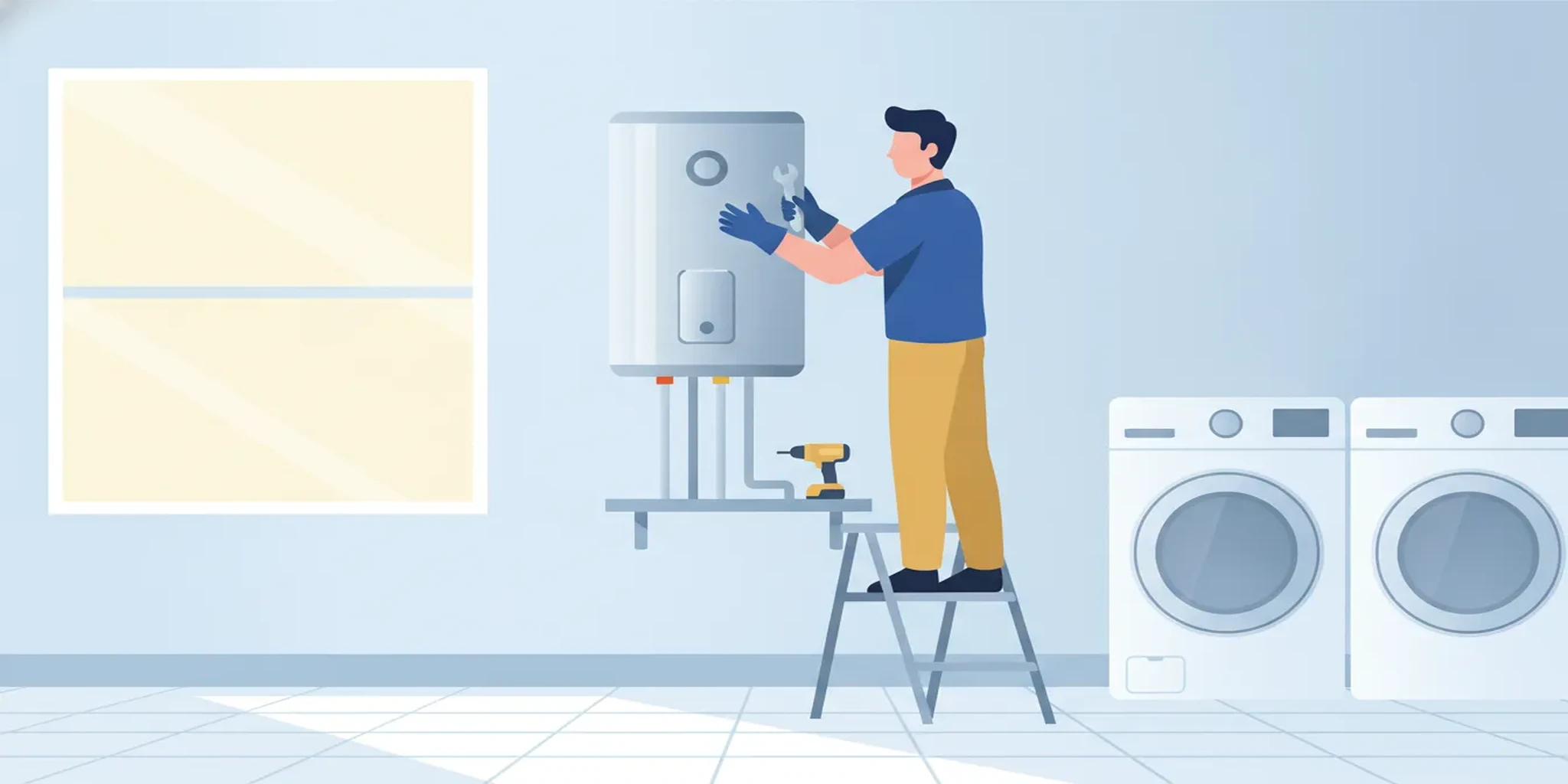
In contrast, a tankless unit is very small. You can mount it on a wall to free up floor space in your laundry room. Standard tanks are bulky and take up a large footprint in your home. This compact design is one of the key tankless water heater benefits for modern homes.
Key Differences in Design and Efficiency
Because tankless units do not keep water hot when you do not need it, they are much more efficient. If you choose a gas model, you can save a lot of money on fuel bills. According to ENERGY STAR, a certified tankless gas heater can save a family of four 95 dollars a year. Over the lifetime of the system, this adds up to about 1,800 dollars in gas savings. Standard storage tanks lose a lot of heat through their walls, which makes them waste fuel.
How Does a Tankless Water Heater Work?
The on-demand heating process
If you want to know what is a tankless water heater and how it functions, the answer lies in its on-demand design. Unlike old tanks that heat water all day, these units only work when you turn on a tap. Cold water flows into the system. A small sensor detects this movement and starts the heating cycle. Water never sits in a tank, so you do not waste fuel keeping a large pool hot.
At the heart of the unit is a heat exchanger. This is a metal pipe that gets hot from gas or electricity. As the water passes through this pipe, it absorbs the heat quickly. This means you get a steady stream of hot water right when you need it.
Gas vs. electric heating units
You can choose between gas and electric units to heat your water. Gas models use a burner, while electric models use heating coils. Both types are highly efficient, but they work in slightly different ways.
Data shows that an electric model can reach nearly 99% efficiency by sending heat straight to the water. Gas units are also great options. A quality gas model can provide a 30% energy savings compared to standard gas tanks. These models are common for large homes with high hot water needs.
Condensing vs. non-condensing systems
If you select a gas unit, you must choose between a condensing and a non-condensing system. These terms describe how the unit handles hot exhaust gas. Each type has a unique build and cost.
A non-condensing system vents hot exhaust outside. This exhaust still has a lot of heat, which is wasted. These units cost less upfront but are less efficient. They also need metal vent pipes that can handle high heat.
A condensing system is more advanced. It captures the hot exhaust and uses it to preheat the cold water coming in. This extra step boosts efficiency and lowers fuel bills. Because the exhaust cools down during this process, the system can use cheap plastic pipes for venting.
Choosing between these systems depends on your home layout and budget. A trained plumber can help you select the best unit for your family. Proper tankless water heater installation ensures your system runs safely and saves you money for years.
Tankless vs. Storage Tank: Pros and Cons
When you plan to upgrade, you must look at how each system fits your home. Many people ask, what is a tankless water heater and does it beat a standard tank? Standard storage tanks heat a large pool of water day and night to keep it hot. This standby heating uses power even when you are asleep. In contrast, a tankless unit heats water only when you turn on a tap. Let us look at the main pros and cons of both styles to help you choose the best fit.
Benefits of going tankless
Tankless units offer many clear tankless water heater benefits for local homes. First, they give you an endless flow of hot water. This means you will not run out of hot water during a shower. Second, they are small and mount on a wall, which saves a lot of floor space in your home. Third, they can last up to 20 years, which is about double the life of a standard tank. Finally, gas tankless models provide about 30% gas savings compared to standard models, as shown in federal energy tests.
Drawbacks of tankless models
While the perks are strong, you should also know the drawbacks. The upfront cost to buy and set up a tankless unit is higher than a standard tank. If you run many plumbing fixtures at the same time, the unit may struggle to keep up with the water flow. Also, hard water can cause mineral scale build-up inside the heat exchanger. Over time, this scale reduces heat transfer and can damage the system. To prevent this, you must descale the unit once a year to keep it working well.
Traditional tank system advantages
A standard storage tank is still a popular choice for some homeowners. These units have a lower upfront cost and are simpler to set up. Since they hold about 50 gallons of hot water ready to use, they can supply multiple fixtures at once. But standard tanks only last 10 to 12 years before they need to be replaced. They also waste energy because they heat water when you do not need it. According to an ENERGY STAR study, gas tankless models save a family of four about $95 each year compared to standard gas tanks.
| Feature | Tankless Water Heater | Storage Tank Water Heater |
|---|---|---|
| Hot water supply | Endless, heated on demand | Limited to tank size (about 50 gallons) |
| Energy efficiency | High (saves about 30% gas; 82 cents of each $1 is used) | Low (continuous heating; 60 cents of each $1 is used) |
| Lifespan | Up to 20 years | About 10 to 12 years |
| Space needed | Small, wall-mounted design | Large, floor-standing tank |
| Upfront cost | Higher upfront and install cost | Lower upfront and install cost |
| Maintenance | Needs annual descaling | Needs annual tank flushing |
How Much Does a Tankless Water Heater Cost?
If you are still learning what is a tankless water heater, you will find that these systems cost more to buy but less to run. The upfront price for the unit is higher than a standard tank. But the long-term bill savings help offset this initial price. When you plan a tankless water heater installation, you must look at both upfront costs and long-term gains.
Upfront unit prices
A tankless unit can cost two to three times more than a standard tank heater. Gas models often cost more than electric models. Electric units are highly efficient, with some reaching nearly 99% efficiency during use.
Gas models cost more to buy, but they often have lower fuel rates. You must also think about the size of your home. A larger home needs a bigger unit to supply enough hot water.
Florida setup factors
Setting up a new tankless system in Florida involves several steps. If you switch from gas to electric, you might need to upgrade your electric panel. If you choose gas, a plumber must run new gas lines and set up proper venting.
You also need a condensate drain to handle moisture. Florida labor rates vary, and complex jobs will add to your total bill. Professional plumbing teams can guide you on these specific needs.
Long-term utility savings
While the initial cost is high, you will save cash over the years. Standard tanks heat water all day and night, which wastes fuel. Tankless units only heat water when you turn on a tap.
Federal data shows that ENERGY STAR certified gas models save a family of four about $95 each year. This adds up to about $1,800 in savings over the lifetime of the unit. These long-term energy savings make the swap highly rewarding.
Total cost of ownership
A standard tank heater lasts about ten to twelve years. A tankless unit can last more than twenty years with the right care. In Port St. Lucie, hard water can build up inside the system.
This buildup reduces efficiency and can damage the unit. Regular flushing helps protect your unit. When you look at the total cost, the long life of a tankless system makes it a smart choice.
To keep the system running well, you should schedule yearly maintenance. While professional maintenance costs a bit of money, it prevents big repair bills later. Over time, the energy savings and the long lifespan easily make up for the service fees. This makes the system a great value for Florida families.
Is a Tankless Water Heater Right for Your Florida Home?
Before you make the switch, you should look at the tankless water heater benefits for your home. Florida homes have unique needs that affect how these systems work. Our local climate and water supply play a big role in your choice.
Local Climate and Water Needs
Our hot and wet weather means your system must stand up to heat and damp air. Salt air along the coast can wear down outdoor units over time. If you live on the Treasure Coast, you need a system built to last in our wet air.
Hard water is a second major concern for local homes. In areas like Port St. Lucie, hard water can cause scale to build up inside the heater. This scale can hurt the system's lifespan and make it use more energy. When thinking about what is a tankless water heater, you must also plan for yearly care to flush out scale.
You should also think about power options before a big storm. Some tankless models use gas but still need a small amount of power to start. If the power goes out during a storm, a gas unit might not work unless you have a backup power source. Knowing these details helps you plan for storm season in Florida.
How Fixture Sizing Affects Water Flow
Tankless units do not store hot water in a large tank. Instead, they heat water on demand as it flows through the system. This means you must know how much water your home uses at any single moment.
Each plumbing fixture in your home uses water at a different rate. As shown by ENERGY STAR, a kitchen or bath sink uses 2.2 gallons per minute (GPM). A standard shower uses 2.5 GPM. A dishwasher needs 1.3 GPM, while a clothes washer needs 3.3 GPM.
If you run a shower and the clothes washer at the same time, your system must handle 5.8 GPM. If the unit is too small, your water will not get hot enough. Proper sizing ensures that your home always has plenty of hot water when you need it.
The Need for Expert Setup
Choosing the right size is not always a simple task. A local plumber will count your fixtures and look at your gas or electric lines. They will check your home's water pressure and find the best spot to mount the unit on your wall.
They must also set up the correct vent pipes to keep your home safe. Gas units need specific venting to carry exhaust fumes outside. If the venting is not set up right, it can create a safety hazard in your home.
At Miranda Plumbing & Air Conditioning, we have served the Treasure Coast for more than four decades. As a Ruud Pro Partner, we help you choose and set up the best model for your needs. We make sure your new system works safely and runs well for years.
How to Care for Your Tankless Water Heater
A tankless system needs proper care to run well and last for years. Learning what is a tankless water heater helps you understand the tech. But you must also know how to protect your system.
Why does maintenance matter?
Proper care is key to a long heater life. This is true in areas with hard water like Port St. Lucie. High mineral levels in city water can lead to scale inside the heat exchanger. This buildup blocks the heat transfer and forces the system to work harder to warm your water.
Without care, scale buildup can cause your unit to overheat or fail early. Good care keeps your system in peak shape, which keeps your power bills low. A clean system also ensures you always have hot water when you need it. If you ignore care, you may need to replace your system years too soon.
Essential care steps
Follow this checklist to keep your system in top shape. These simple tasks will protect your unit from local hard water issues and keep it running well.
- Flush the heat exchanger. You must flush your unit once a year to clear mineral scale in Port St. Lucie. Run food-grade white vinegar through the system to clean the lines.
- Clean the water inlet filter. Your unit has a screen filter to catch dirt from the water line. Turn off the water first, then rinse the mesh to remove trapped sand or rust.
- Check the gas venting and drain. For gas units, check the exhaust pipe for blocks like nests or leaves. Also, make sure the condensate drain line is clear so the system does not shut down.
- Monitor error codes on the screen. Most units show a code when something goes wrong. Check the user manual to see what the code means so you can fix small issues early.
- Schedule expert tune-ups. Even with DIY care, you should have a pro check your system once a year. A licensed plumber can find hidden issues before they cause a breakdown.
When to call a pro
Some tasks are best left to licensed plumbers. If your unit needs complex repairs or deep cleaning, you should seek expert help right away. Trying to fix major issues yourself can void the warranty.
Our team at Miranda Home Services is a Ruud Pro Partner with decades of local service. We provide trusted tankless water heater repair and maintenance to protect your home. Contact us today to set up an expert tune-up and keep your hot water flowing.
Ready to protect your home and your hot water? Book an appointment with our Treasure Coast team today.
Frequently Asked Questions
How does an electric tankless water heater work?
An electric tankless water heater heats water only when you turn on a hot tap. As water flows through the unit, electric heating parts quickly warm the cold water to your set temperature. This process is highly efficient because no tank of hot water sits idle. According to ENERGY STAR reports, these electric units can reach nearly 99% energy efficiency during use.
What are the pros and cons of a tankless water heater?
The main benefit of a tankless water heater is endless hot water on demand. Since they are small and mount on a wall, they also save a lot of space. However, they cost more to buy and install upfront than a standard tank unit. They can also struggle to provide enough hot water if you run the shower and the dishwasher at the same time.
Do tankless water heaters need maintenance?
Yes, tankless water heaters need regular care to work well and last a long time. Over time, mineral scale from hard water can build up inside the heating parts. This is a big issue in Florida cities like Port St. Lucie. According to experts at Miranda Plumbing, flushing and descaling your unit once a year keeps it working well and protects its lifespan.
How much money can you save with a tankless water heater?
You can save money on your energy bills by switching to a tankless unit. These systems do not waste energy keeping water hot when you do not need it. According to the ENERGY STAR program, a certified gas model can save a family of four about $95 a year on gas bills. This adds up to $1,800 over the lifespan of the system.
Ready to upgrade to a tankless water heater?
An old water heater can fail when you least expect it, which often leads to cold showers and wet floors. If you wait until your current tank bursts, you will face an urgent and expensive plumbing emergency. You can avoid this stress and save money on your monthly energy bills by upgrading early. By installing a new energy-efficient tankless system today, you get endless hot water right away. Our local team will help you choose the perfect size for your household needs and complete a quick setup. Contact us now to protect your home for the long haul.
Ready to book your water heater consultation? Contact Miranda Plumbing & Air to schedule a professional installation.
Need plumbing or HVAC service on the Treasure Coast?
Contact Miranda Plumbing & Air