
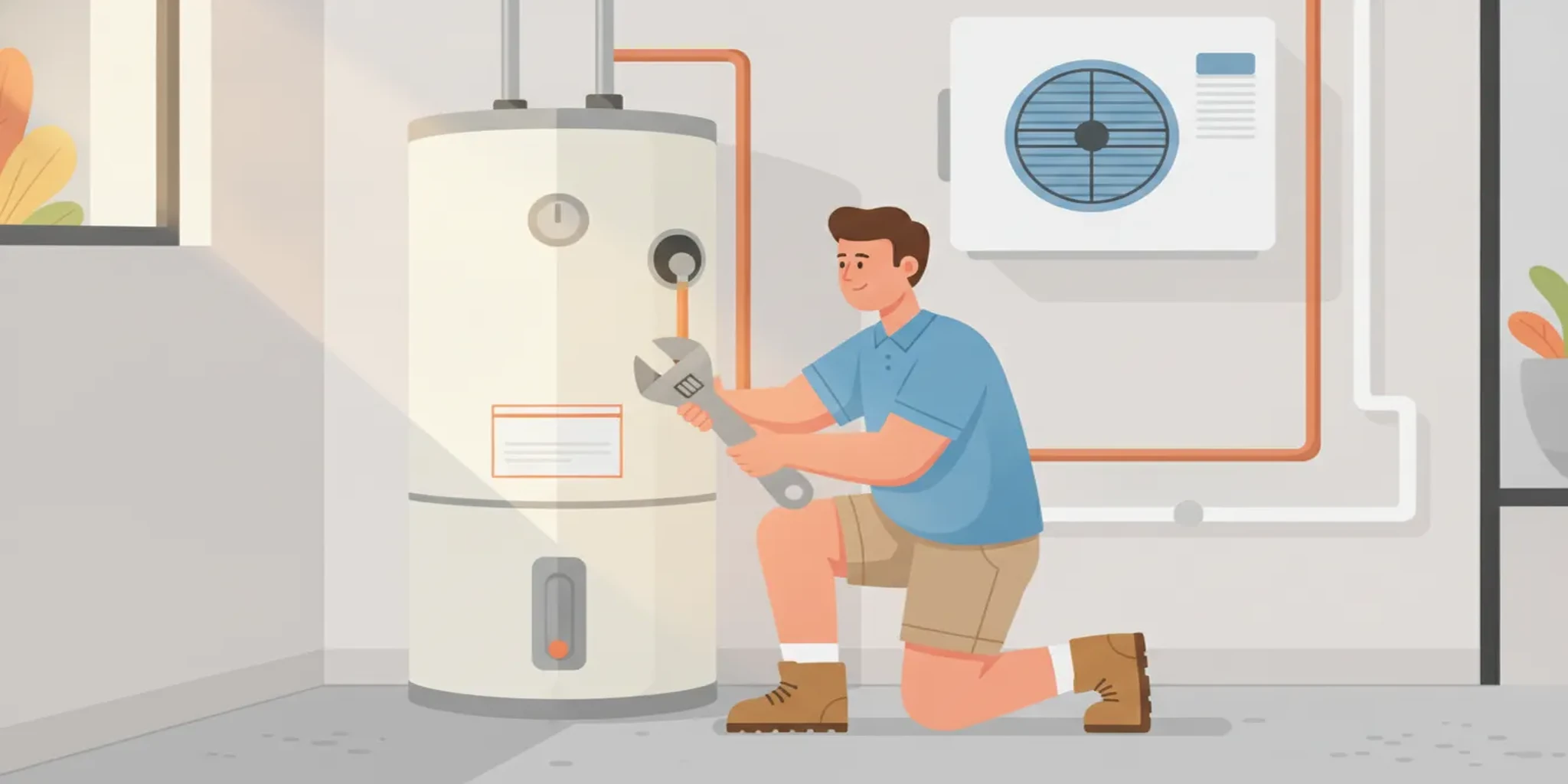
Water Heater Repair Palm City FL: Problems and Fixes
A water heater rarely fails without warning. You may notice longer waits for hot water, a popping sound from the tank, rusty-looking water, or a small leak near the connections. In Palm City, hard water can speed up scale and sediment buildup, reducing efficiency and adding strain to the system. These early signals are not always obvious, but catching them early can mean the difference between a quick repair and an expensive emergency.
For water heater repair palm city fl, the right next step depends on the symptom, the heater's age, and whether the tank itself is leaking. A licensed plumber can identify whether a repair, maintenance visit, or replacement is the safer and more practical choice for your Florida home.
Some problems are limited to a thermostat, heating element, valve, or connection. Others point to corrosion or a failing tank that may cause costly water damage if ignored. Knowing the difference starts with recognizing the problems most common in Palm City homes, understanding which warning signs matter most, and knowing when to act fast.
Contact Miranda Plumbing & Air for water heater repair in Palm City
What Are the Most Common Water Heater Problems in Palm City?
Water heater trouble often begins quietly. A familiar shower may turn lukewarm, the tank may make a popping sound, or a small amount of water may appear around the base. In Palm City, local water and coastal conditions can place extra stress on this equipment. Hard water leaves mineral scale inside plumbing components, while salt air can accelerate corrosion on exposed metal and connections. Neither condition guarantees a failure, but both make early attention more valuable.
Why does a water heater make popping or rumbling noises?
For a tank-style water heater, popping or rumbling usually points to sediment collecting on the bottom of the tank. As the burner or heating element warms the water, pockets of water can become trapped beneath that layer. The resulting movement produces the familiar popping sound and makes the system work harder. Sediment buildup can also reduce the amount of usable hot water and contribute to premature tank failure.
A single occasional sound may not indicate an emergency, but a recurring or increasingly loud noise deserves an inspection. A plumber can determine whether the tank can be flushed safely, whether a component needs attention. Or whether the buildup has progressed far enough to affect the tank itself. Do not attempt to open a gas water heater or disturb its connections without proper training.
How does hard water reduce water heater performance?
Hard water contains minerals that can form scale inside pipes, fixtures, and water heaters. The Environmental Protection Agency explains that scale does not conduct heat well and can reduce water flow through pipes and fixtures. That scale buildup can reduce efficiency, especially when it accumulates around the heating surface or narrows connected plumbing.
Homeowners may notice that the water heater takes longer to recover between showers, produces less hot water, or uses more energy to deliver the same result. These symptoms can also come from a failing thermostat, heating element, burner, or dip tube, so testing is important before assuming hard water is the only cause.
What other problems should Palm City homeowners watch for?
- Reduced hot water: A smaller supply may result from sediment, a damaged dip tube, a thermostat issue, or a heating component that is no longer working correctly.
- Rust-colored water: Discolored hot water can indicate corrosion in the tank or another part of the hot-water system. Corrosion around water lines or on the unit itself is a sign of deterioration that may lead to failure.
- Leaks or moisture: Water around fittings may come from a loose connection or valve, while water from the tank body can signal more serious deterioration.
- Unusual odors: A sulfur-like smell may relate to water chemistry, bacteria, or the anode rod and should be evaluated rather than masked.
If you are seeing repeated symptoms, schedule water heater repair in Palm City before a minor component problem becomes water damage or a complete loss of hot water. Miranda Plumbing & Air can help identify the cause and explain whether repair or replacement makes the most practical sense for your home.
What Signs Tell You Your Water Heater Needs Repair?
Water heaters rarely fail without warning. A change in water color, sound, temperature, or capacity can signal a problem that deserves attention. Watch for these signs in your Palm City, FL home:
- No hot water: A complete loss of hot water can point to a failed heating element, thermostat, burner, or another component that needs professional testing.
- Rust-colored or cloudy water: Discolored hot water may indicate corrosion inside the tank or deteriorating parts. If only the hot water is affected, have the water heater inspected rather than assuming the issue is with the plumbing supply.
- Popping or rumbling noises: Loud sounds from a tank-style heater often develop as sediment collects at the bottom. The buildup can make the unit work harder, reduce hot water output, and contribute to premature tank failure.
- Visible leaks: Water around the base, fittings, temperature-and-pressure relief valve, or connected lines should not be ignored. Even a small leak can worsen and damage flooring, walls, or nearby belongings.
- Visible corrosion: Corrosion around the water lines or on the unit itself is a sign of deterioration that can weaken the system and contribute to failure. ENERGY STAR identifies visible corrosion as a warning sign that the water heater is breaking down.
Contact Miranda Plumbing & Air to schedule water heater service in Palm City.
Which Other Changes Should You Watch For?
- Odd smells: A sulfur-like or unpleasant odor from hot water may be related to bacteria, the anode rod, or water-quality conditions. Do not mask the smell with repeated flushing without finding the cause.
- Tripping breakers: An electric water heater that repeatedly trips its breaker may have a failing heating element, wiring issue, or another electrical fault. Resetting the breaker again and again is not a repair.
- Reduced hot water capacity: If showers turn cold sooner than they used to, the heater may have sediment buildup. A failing element, a thermostat problem, or a tank that is no longer meeting household demand.
- Fluctuating temperatures: Water that shifts unexpectedly from hot to cold can indicate thermostat or heating problems. It can also create a scalding risk, especially for children and older adults.
Call for prompt service when you see an active leak, smell gas, or lose hot water completely. For recurring symptoms, a licensed plumber can determine whether a component can be repaired or whether the unit is approaching replacement. Miranda provides water heater repair in Palm City for homeowners who want a clear diagnosis and a practical recommendation.
How Long Do Water Heaters Last in Florida?
Most traditional tank water heaters last about 8 to 12 years. In Florida, however, the practical lifespan can be shorter. Hard water can leave scale inside the tank and connected plumbing, while persistent humidity and salt air can contribute to corrosion around components and connections. These conditions do not guarantee an early failure, but they make maintenance and age especially important for homeowners in Palm City and across the Treasure Coast.
Local housing also plays a role. About 72.3% of homes in the area were built between 1980 and 2009. So many properties have aging plumbing equipment and water heaters that may be approaching replacement age. A system installed when a home was built may be working today while still carrying a higher risk of a sudden leak. Loss of hot water, or inefficient operation.
What shortens a water heater's life in Florida?
Water quality is one of the biggest factors. Hard water allows mineral scale to accumulate inside a tank. The scale can reduce heat transfer, forcing the unit to work harder and potentially reducing efficiency. It can also contribute to popping or rumbling sounds and weaker hot water output. An annual inspection can help identify buildup, worn components, or a depleted anode rod before a small maintenance issue becomes a major failure.
Coastal conditions deserve attention as well. Salt-laden air and high humidity can accelerate corrosion on exposed fittings and other metal parts. Especially when a water heater is installed in a garage, utility room, or other area with moisture exposure. Rust around the tank, water lines, or connections is not something to dismiss as normal aging. ENERGY STAR advises that if you suspect your water heater is more than 10 years old. It is time to consider replacing it before an emergency decision is forced on you: ENERGY STAR's water heater replacement guidance.
How can you tell whether age is becoming a problem?
Check the installation date if it is available on the unit or in your home records. If the date is unclear, a plumber can help estimate the unit's age from its serial number and inspect its condition. A water heater that is several years old may still be a good repair candidate when the tank itself is sound. A unit over 10 years old with corrosion, repeated repairs, inconsistent heating, or a developing leak deserves a careful replacement discussion.
Planning ahead is usually less disruptive than waiting for a failed tank to flood a garage or leave your household without hot water. If inspection shows that replacement is the safer long-term choice, Miranda can help you compare options through water heater installation and replacement for your Palm City home.
Is It Cheaper to Repair or Replace a Water Heater?
Repair is often the better value when the tank itself is sound and the problem involves a replaceable component. A failing thermostat, heating element, pressure relief valve, or similar part may restore dependable hot water without the cost of a new system. Typical water heater repairs range from about $200 to $600 for parts and labor, depending on the component and the work required.
Replacement becomes the more practical choice when the tank is deteriorating. The unit is nearing the end of its service life, or a repair would only postpone a larger failure. The decision should account for the equipment's age, the source of the problem. The risk of water damage, and the long-term cost of continuing to repair an aging system.
| Consideration | When repair may make sense | When replacement may make sense |
|---|---|---|
| Age of unit | The system is relatively young and the tank shows no significant deterioration. | A water heater is over 10 years old. ENERGY STAR recommends considering replacement before an older unit leaves you facing an emergency decision. |
| Repair cost | A component repair is within the typical $200 to $600 range and restores reliable operation. | The estimate is high for an older unit, or repeated repairs are approaching the cost of a dependable replacement. |
| Replacement cost | A new system is not yet necessary because the tank, connections, and safety components remain in good condition. | Replacement costs more upfront, but may reduce recurring service calls and the chance of an unexpected failure. |
| When to repair | Noise, weak hot water, or inconsistent heating points to sediment or a replaceable operating component. Sediment can cause popping sounds and reduce hot water output. | Repair is less attractive when the same symptoms return soon after service or the underlying tank is already deteriorating. |
| When to replace | There is no active tank leak, widespread corrosion, or sign that the vessel itself is failing. | Rust-colored water, a tank leak, visible corrosion, or an age of roughly 10 to 12 years favors replacement rather than another short-term fix. |
| Long-term value | Repair preserves a sound system and can delay replacement while giving you useful service life. | A new, correctly sized system can provide greater reliability and avoid the damage and disruption associated with a sudden tank failure. |
Rust-colored water and corrosion deserve particular attention because they can signal deterioration, not just a minor performance issue. Hard water can also create scale inside water heaters and reduce efficiency, so recurring popping or reduced output may call for more than a quick part replacement. For homeowners comparing options for replace your water heater, a licensed plumber can inspect the tank, connections, safety controls, and fuel or electrical components before recommending the next step.
In Palm City, FL, the most affordable choice is the one that matches the condition of the entire system. Repair a sound unit when the fault is isolated. Replace an aging or damaged unit before a leak turns a planned decision into an emergency.
What Does Water Heater Repair Cost in Palm City, FL?
For many homeowners, a typical water heater repair costs about $200 to $600 for parts and labor. That range is a practical starting point, not a guaranteed quote. The final price depends on what failed, how accessible the equipment is, and whether the system is gas or electric. A technician must diagnose the problem before recommending the safest and most cost-effective repair. For an accurate figure based on your specific unit, request a water heater repair estimate in Palm City from a licensed local plumber.
For example, an electric water heater may need a thermostat or heating element replaced. A gas unit may require attention to its burner assembly, controls, thermocouple, venting, or other gas-related components. A pressure relief valve, connection, or shutoff valve can also affect the total. Some repairs are relatively straightforward, while others require additional testing to confirm that the system is operating safely.
What affects the price of a repair?
The failing component is usually the biggest factor. A faulty thermostat, heating element, or pressure relief valve may fit within the common repair range when the tank itself is in good condition. Labor can increase when the part is difficult to reach, the installation does not meet current requirements, or more than one component has failed. Older systems may also have worn connections or corrosion that complicates the work.
Water quality can contribute to both the problem and the repair decision. Hard water creates scale inside water heaters and plumbing equipment. Because scale does not conduct heat well, it can reduce efficiency and restrict water flow, as explained by the U.S. Environmental Protection Agency. In a Palm City home, accumulated scale may mean the unit needs more than a single part replacement, especially if performance has declined gradually.
Is repair the best value for an older water heater?
Repair often makes sense when the tank is sound, the issue is isolated, and the unit has otherwise provided reliable service. Replacement deserves closer consideration when the tank is leaking, corrosion is widespread, or the water heater is more than 10 years old. In those situations, spending money on one repair may only delay a larger failure. An evaluation can compare the immediate repair cost with the likely remaining service life, energy use, and replacement options.
When you need a clear diagnosis, schedule water heater repair in Palm City with a licensed plumbing professional. Miranda Plumbing & Air can identify whether the issue involves a gas or electric system. Explain the repair options, and help you make an informed decision for your home.
When Should You Call an Emergency Plumber in Palm City?
Some water heater problems can wait for a scheduled appointment. Others can quickly damage your home, create a safety hazard, or leave your family without essential hot water. If you are unsure whether the situation is urgent, it is safer to shut down the equipment when possible and call a licensed professional for guidance.
Miranda Plumbing & Air provides 24/7 emergency plumbing service for urgent water heater failures in Palm City, FL. Call for 24/7 emergency plumbing in Palm City when you notice any of these conditions:
- There is an active leak or standing water. Water pooling around the tank, flowing from a connection, or spreading across the floor can damage flooring, walls, and nearby belongings. If you can do so safely, turn off the water supply valve above the heater. For an electric unit, switch off the dedicated breaker. Do not touch electrical components in or near standing water.
- You smell gas near a gas water heater. Do not operate light switches, use an open flame, or attempt to locate the leak yourself. Leave the home and call your gas utility or emergency services from a safe location if the odor is strong. A licensed plumber should handle gas water heaters, gas lines, and venting because the work requires safety knowledge and code compliance.
- You have a total loss of hot water. A complete failure may result from a faulty heating element, thermostat, burner, control, or another component. It can also signal a larger system problem. Check whether a breaker has tripped, but do not repeatedly reset it. If the breaker trips again, stop troubleshooting and request professional water heater repair.
- The tank is making loud banging or popping sounds. Occasional sounds may come from sediment collecting at the bottom of the tank. Loud or worsening banging can indicate restricted heat transfer and stress on the equipment. Schedule prompt service, especially if the noise occurs with weak hot water, overheating, or a visible leak.
- You see exposed wiring, scorch marks, sparks, or other electrical hazards. Keep children and household members away from the area. Do not remove access panels or handle wiring. Turn off power at the breaker only if you can reach it without entering water or approaching damaged components, then call for emergency help.
Do not attempt to disassemble a leaking tank, repair a gas connection, bypass a safety control, or replace electrical parts without the right training. A quick DIY adjustment can turn a manageable repair into flooding, fire, gas exposure, or an electrical injury. A licensed technician can make the area safe, identify the failure, and explain whether repair or replacement is the better next step.
How to Prevent Water Heater Breakdowns
Preventive maintenance can help your water heater operate more efficiently, last longer, and give you more warning before a small issue becomes a major repair. This matters in Palm City, FL, where hard water can contribute to mineral buildup inside plumbing equipment.
Hard water allows scale to form inside water heaters and pipes. Because scale does not conduct heat well, it can reduce efficiency and restrict water flow, according to the U.S. Environmental Protection Agency. A few regular checks can help limit the effects.
Flush the tank annually
Tank-style water heaters collect minerals and sediment over time. An annual tank flush removes accumulated material before it interferes with heating performance. Sediment at the bottom of the tank is a common cause of popping noises, reduced hot water output, and premature tank failure. If you hear popping or rumbling, do not ignore it. The sound may indicate that sediment is already affecting the burner or heating process.
Flushing involves hot water, pressurized plumbing, and drain connections. If you are not familiar with the procedure, have a licensed plumber handle it rather than risking a scald or damaging the drain valve.
Check the anode rod
The anode rod helps protect the steel tank from corrosion. It gradually wears away as it attracts corrosive elements in the water. Ask a plumber to inspect the rod during routine maintenance and replace it when it is substantially depleted. Replacing a worn anode can help protect the tank, particularly when the unit is exposed to aggressive water conditions.
Test the safety controls
The temperature and pressure relief valve is an important safety component. A plumber can test it to confirm that it opens and closes properly, then replace it if it leaks, sticks, or fails inspection. Never cap, disable, or force a relief valve. If water is continuously discharging from the valve, schedule professional service promptly.
It is also wise to check the thermostat setting and confirm that the water is heating consistently. Avoid making repeated adjustments when the system is malfunctioning. Incorrect settings can create scalding risks or mask a failing thermostat, heating element, or burner.
Address hard water early
If you regularly see mineral deposits on faucets or fixtures, ask whether a water softener is appropriate for your home. Reducing hardness can help limit scale inside the water heater and support more consistent operation. A plumber can evaluate your water quality and recommend a treatment approach based on the home's plumbing and the heater's condition.
Maintenance cannot prevent every failure, especially as a water heater ages, but it can reduce avoidable breakdowns and repair calls. For recurring noises, leaks, weak hot water, or inconsistent temperatures, schedule water heater repair in Palm City before the problem leaves you without reliable hot water. Talk to Miranda Plumbing & Air to confirm whether a repair or replacement is the right call for your home.
Get Palm City water heater help today
Frequently Asked Questions
What is the most common water heater problem?
Sediment buildup at the bottom of the tank is a common cause of popping noises, reduced hot water, and premature failure. Palm City's hard water can accelerate scale buildup, which reduces heating efficiency. An annual flush can help, but heavy buildup may require professional service.
How long does a water heater last in Florida?
Most tank water heaters last about 8 to 12 years. Hard water, humidity, and salt air can shorten that range in Florida, so maintenance and regular inspections matter. If your unit is more than 10 years old, ENERGY STAR recommends considering replacement before an emergency occurs: ENERGY STAR replacement guidance.
How much does water heater repair usually cost?
Common repairs typically range from about $200 to $600 for parts and labor, depending on whether the problem involves a thermostat, heating element, or pressure relief valve. A plumber should inspect the system and explain the repair before work begins, because the unit's age and condition affect the value of repairing it.
Should I repair or replace my water heater?
Repair is often reasonable when the unit has a correctable component problem, such as weak heating or a tripped breaker. Replacement is usually the better option when the tank leaks, corrosion is widespread, or the system is past 10 to 12 years. Visible corrosion can indicate deterioration and potential failure, according to ENERGY STAR.
Can a handyman repair a gas water heater?
Gas water heaters, gas lines, and venting should be serviced by a licensed plumber. These systems involve combustion and safety requirements, so professional diagnosis helps protect your household and maintain code compliance.
Get Water Heater Repair Help in Palm City, FL
Don't wait until a small water heater issue becomes costly damage. Miranda Plumbing & Air is a trusted, licensed plumbing company serving Palm City and the Treasure Coast with honest recommendations and 24/7 emergency response.
Contact Miranda Plumbing & Air to schedule your water heater repair today
Get your home's hot water flowing again with help from a licensed local plumbing team.
Need plumbing or HVAC service on the Treasure Coast?
Contact Miranda Plumbing & Air