
UV Light for HVAC: Benefits, Safety, and FAQs
Florida's long cooling season keeps HVAC coils and air handlers working through heat and humidity. So many Treasure Coast homeowners ask whether ultraviolet treatment can improve indoor air quality.
A uv light for hvac uses UV-C energy to affect microorganisms exposed to the lamp, often near the evaporator coil or air-handler section. It is a supplemental tool, not a replacement for filtration, ventilation, humidity control, cleaning, repairs, or professional diagnosis. The EPA notes that typical home units have limited effectiveness against some mold and bacteria, and dead spores can still trigger allergic reactions.
That balance matters in humid parts of the Treasure Coast, including Port St. Lucie, Stuart, Fort Pierce, and Vero Beach. A UV system may fit a broader air-quality plan, but its value depends on placement, exposure, compatibility, and the condition of the rest of your HVAC system. Understanding how the equipment works makes those decisions easier.
Review your HVAC air-quality options with Miranda.
What Is a UV Light for HVAC, and How Does It Work?
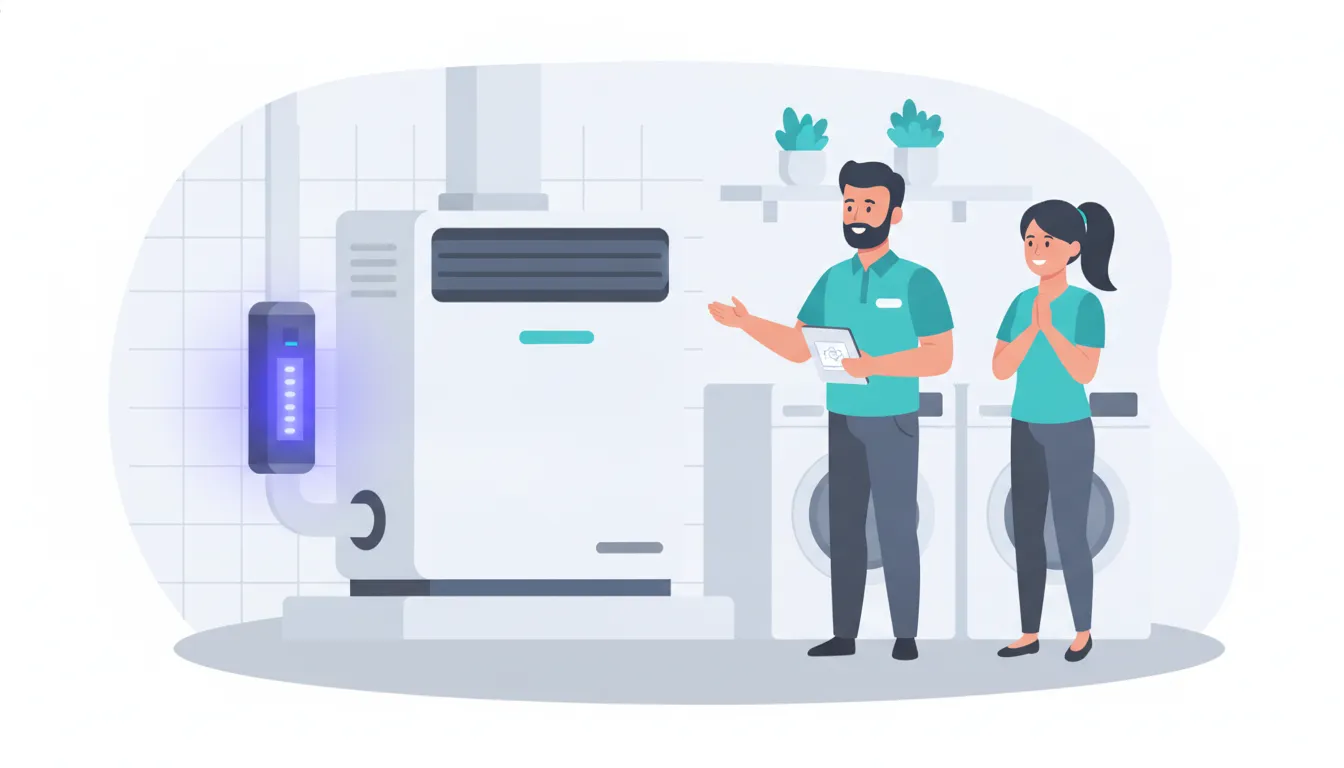
A UV light for HVAC typically uses ultraviolet-C, or UV-C, energy to treat microorganisms exposed to the lamp. In residential systems, installers commonly position the lamp near the evaporator coil or inside the air-handler section.
That location matters because cooling coils, drain pans, and nearby surfaces can remain damp during air-conditioning operation. Properly designed UVGI systems may affect biological pollutants growing on those moist HVAC surfaces, including some viruses, bacteria, and molds. See the EPA's explanation of UV lamps and mold for important limitations.
The lamp does not scrub every particle from the air. Its effect depends on exposure, distance, lamp output, airflow, surface condition, and system design. Microorganisms must receive enough UV energy for treatment to occur. Material that remains outside the lamp's effective exposure may not be affected.
For this reason, a UV system is best understood as one part of an indoor-air-quality plan. It does not replace a properly fitted filter, outdoor-air ventilation, moisture control, duct cleaning, or mechanical repairs. The CDC describes germicidal ultraviolet technology as supplemental rather than a replacement for filtration or outdoor-air requirements.
Typical home units also have limits. The EPA notes that destroying some viruses and most mold or bacterial spores generally requires more UV exposure than a typical home unit provides. Inactivated mold spores may still trigger allergic reactions, so UV treatment should not be presented as a cure for allergies or asthma.
Safe installation requires the correct product and placement. UV energy should remain contained within the HVAC equipment rather than shining into occupied rooms. An experienced HVAC professional can evaluate the coil, air handler, available space, electrical requirements, and compatibility before recommending an installation.
For a broader review of available equipment, see Miranda's HVAC UV-C air purification options.
What Benefits Can HVAC UV Lights Provide?
A properly designed UV system may help affect biological pollutants growing on moist HVAC surfaces. These surfaces can include cooling coils, drain pans, and some ductwork.
That benefit matters in Florida, where cooling equipment often operates for much of the year. Moisture inside an air handler can create conditions that support microbial growth when cleaning and drainage are inadequate.
UVGI uses ultraviolet energy to inactivate microorganisms exposed to the lamp. It does not reach every surface or contaminant inside a home. Results depend on lamp placement, exposure time, equipment design, and system maintenance.
The Environmental Protection Agency says typical home UVGI units have limited effectiveness against bacteria and molds. Destroying some viruses and most mold or bacterial spores usually requires more UV exposure than a typical home unit provides.
That limitation is important when evaluating an uv light for hvac. A lamp should not be presented as a complete mold treatment, allergy solution, or substitute for correcting moisture problems.
Inactivated mold spores can still produce allergic reactions. The EPA notes that UVGI cleaners may not reduce allergy or asthma symptoms for that reason. Anyone experiencing persistent symptoms should seek appropriate medical guidance.
What Can UV Help With?
- Reducing some biological growth on accessible, moist HVAC surfaces.
- Supporting a broader indoor-air-quality plan when the system is correctly designed.
- Addressing one part of an air-handler concern alongside cleaning, drainage, filtration, and humidity control.
UV cannot remove settled dust, repair a leaking drain pan, or correct excessive indoor humidity. It also cannot replace a properly sized filter or needed HVAC repairs.
Homeowners should first identify the problem they want to solve. A musty odor, visible growth, airflow issue, or moisture concern may require inspection before selecting equipment. Miranda can discuss options such as UV light installations, air purification, dehumidification, and duct cleaning.
For practical steps involving Florida humidity, system cleaning, and routine care, review these AC mold prevention and maintenance recommendations.
A professional can then determine whether UV fits the home's needs. The most reliable approach treats it as one layer of indoor-air-quality care, not a guaranteed health solution.
Can a UV Light Replace an Air Filter or Dehumidifier?
No. A UV light, air filter, and dehumidifier address different parts of indoor air quality. A balanced HVAC plan may use more than one tool, depending on the problem.
| Tool | Main function | What it does not replace |
|---|---|---|
| UV light | Uses ultraviolet energy to inactivate susceptible microorganisms exposed to the lamp. | Filtration, outdoor-air delivery, moisture control, cleaning, or repairs. |
| Air filter | Physically traps dust, debris, and larger particles moving through the HVAC system. | Moisture control or every biological contaminant in the system. |
| Dehumidifier | Reduces excess moisture when humidity remains a comfort or building concern. | Particle filtration or UV treatment of exposed surfaces. |
Why filtration still matters
The CDC describes germicidal ultraviolet treatment as supplemental. It does not replace filtration or outdoor-air requirements.
When compatible with the equipment, the CDC says MERV-13 or better filtration may help improve central HVAC air cleanliness.
Filter fit also matters. A properly sized filter within its service life helps reduce air bypassing the filter.
Carrier similarly describes UV lamps and air filters as different, complementary functions. The lamp only affects microorganisms exposed to its light.
Why humidity requires a separate solution
A UV lamp does not remove water from indoor air. If high humidity is the concern, the system needs appropriate moisture-control evaluation.
A dehumidifier may be considered when normal air-conditioning operation does not maintain comfortable humidity. Equipment sizing and duct conditions still matter.
For homeowners reviewing airflow, filtration, and equipment condition together, professional AC tune-up and maintenance can be a practical next step.
In short, choose the tool based on the problem. UV is supplemental, filters trap particles, and dehumidification addresses moisture.
Where Should an HVAC UV Light Be Installed Safely?
The safest location depends on the HVAC design, the lamp type, and the surfaces requiring treatment. A professional usually evaluates the air handler, evaporator coil, and nearby ductwork before selecting a mounting point.
Coil-focused systems commonly place the lamp near the evaporator coil or inside the air-handler cabinet. This position gives the light a controlled target and keeps it away from occupied rooms. Other systems treat moving air inside a duct, but the correct position depends on airflow, equipment dimensions, and the manufacturer's requirements.
Carrier explains how HVAC UV placement and system design affect the intended treatment area. The goal is not simply to install a bright bulb near the equipment. The lamp needs adequate exposure time, correct orientation, and protection from accidental contact.
- Inspect the coil and air-handler space. The technician identifies a suitable surface near the evaporator coil or air handler. EPA notes that properly designed UVGI can target biological pollutants growing on moist HVAC surfaces, including coils and drain pans. EPA's guidance on UV lamps and mold also emphasizes that typical home units have important limitations.
- Confirm the enclosure and viewing protection. The lamp should remain enclosed within the equipment or ductwork. It should never shine into an occupied room. Trane's UV light guidance states that lamps should target the enclosed coil and should not shine into a room.
- Protect the air filter. The technician checks whether UV energy could strike the filter continuously. Improper exposure can degrade some filter materials. Filter fit, rack condition, and the recommended service life also deserve attention.
- Verify electrical compatibility. The installer confirms voltage, wiring, controls, clearances, and equipment access. The installation should follow the lamp manufacturer's instructions and applicable electrical requirements.
- Measure exposure and orientation. Lamp placement affects both safety and performance. EPA recommends consulting experienced professionals because design, installation, and maintenance influence UVGI results.
- Preserve maintenance access. The final position should allow safe inspection, cleaning, and replacement. A lamp hidden behind inaccessible equipment can create avoidable service problems.
UV equipment is not a substitute for correcting moisture, airflow, filtration, or mechanical problems. A professional evaluation can determine whether a UV light installation or broader HVAC air-quality service fits your system.
How Long Do HVAC UV Bulbs Last and What Maintenance Do They Need?
HVAC UV bulb life varies by brand, lamp type, and system conditions. Trane gives a broad estimate of one to five years for many bulbs.
That range is useful for planning, but it is not a replacement schedule for every product. Carrier notes that some manufacturers recommend replacement every 12 to 24 months.
Always follow the specifications for the installed lamp. The product manual may list a service interval, operating hours, inspection steps, and approved replacement parts.
Why replacement matters even when the bulb still glows
A visible glow does not prove that the lamp still produces effective UV-C output. Carrier specifically warns that visible light can continue after germicidal output declines.
That makes scheduled replacement more reliable than judging the lamp by appearance. A technician can confirm the model, review its service history, and recommend the correct replacement.
Do not handle or replace an unfamiliar lamp while the system is energized. UV lamps require safe access, correct positioning, and appropriate protection during service.
What routine maintenance should include
Maintenance begins with access to the lamp and nearby HVAC components. If the lamp sits inside an air handler, service may require opening a panel or reaching a confined area.
During an inspection, a professional can check the lamp, mounting hardware, wiring, safety switch, and surrounding surfaces. They can also look for dust or buildup that may interfere with performance.
Cleaning requirements vary by product. Follow the manufacturer's instructions rather than applying household cleaners or touching lamp surfaces unnecessarily.
The inspection should also consider the coil, drain pan, filter, and airflow path. A UV lamp does not replace filter changes, coil cleaning, moisture control, or mechanical repairs.
Miranda's professional AC tune-up and maintenance service can provide a broader equipment check when access or system condition is a concern.
How can homeowners plan UV lamp service?
Record the lamp model and installation date when the system is installed or serviced. Set a reminder based on the manufacturer's guidance, not a universal calendar rule.
Ask whether the lamp is aimed at the intended surface and enclosed from occupied spaces. Trane advises that HVAC UV lights should not shine into rooms.
Energy use also depends on the product and operating schedule. Trane describes additional energy use as minimal, but actual performance varies by equipment.
Professional inspection is especially helpful when the lamp is difficult to reach, the system has unusual odors, or the bulb's service history is unknown.
Is a UV Light for HVAC Worth It in a Florida Home?
A UV light may be worth considering when biological buildup inside the air handler is part of a broader indoor-air-quality concern. It should support a complete plan, not replace basic HVAC care.
Treasure Coast homes face long cooling seasons and persistent humidity. Those conditions make clean coils, proper drainage, sound filtration, and moisture control important. A UV lamp may complement those measures when the equipment and placement are appropriate.
Start with the problem you want to solve. A UV system may be relevant when a professional finds recurring microbial growth on accessible HVAC surfaces. It is less useful as a response to a dirty filter, blocked drain, poor airflow, refrigerant problem, or active moisture intrusion.
It also should not be presented as a cure for allergies, asthma, odors, or mold throughout a home. UV treatment affects exposed surfaces or air that receives enough exposure. It does not remove dust, repair leaks, or correct excessive humidity.
A practical evaluation should consider:
- Whether the equipment has a suitable location near the coil or air handler.
- Whether the lamp can remain enclosed and protected from occupied spaces.
- Whether the filter, airflow, and drain system are already operating correctly.
- Whether replacement and inspection access will remain convenient.
- Whether a professional can explain the product's intended use and limitations.
Miranda's HVAC UV-C air purification options can be considered alongside filtration, dehumidification, and other air-quality services. The right combination depends on the home and HVAC system.
For broader equipment concerns, a professional Treasure Coast HVAC services evaluation can help identify the underlying issue before adding equipment.
Contact Miranda to discuss HVAC air-quality options for your home.
Frequently Asked Questions About UV Lights for HVAC
Does an HVAC UV light really work?
A properly designed UV system can affect some microorganisms that receive enough exposure. Results depend on lamp intensity, placement, exposure time, airflow, and maintenance. Home units have limits, so UV should support filtration, cleaning, and moisture control rather than replace them.
Where should an HVAC UV light be installed?
Many systems are installed near the evaporator coil or air handler. The lamp should remain enclosed and should not shine into occupied rooms. A qualified HVAC professional should confirm compatibility, placement, electrical requirements, and maintenance access.
How long does an HVAC UV bulb last?
Bulb life varies by brand, product type, and system conditions. Published guidance commonly ranges from one to five years, while some manufacturers recommend replacement every 12 to 24 months. Follow the exact product instructions.
Can a UV light replace an HVAC air filter?
No. Filters trap particles, while UV treatment targets susceptible biological contaminants exposed to the lamp. The two technologies serve different functions. A properly sized and maintained filter remains part of the system's air-quality plan.
Is a UV light for HVAC safe?
Safety depends on correct product selection, installation, shielding, and maintenance. UV energy should not shine into occupied rooms. Do not open or modify a system while the lamp is operating. Ask a professional about safe service procedures.
Talk With an HVAC Professional
Choosing a UV light starts with identifying the actual indoor-air-quality or HVAC concern. A professional can inspect the system, explain compatible options, and help you compare UV treatment with filtration, cleaning, and humidity control.
Miranda Plumbing & Air serves homeowners across Florida's Treasure Coast, including Port St. Lucie, Stuart, Fort Pierce, Vero Beach, Palm Beach Gardens, and Jupiter. The team can help you make a practical plan for your home's equipment.
Contact Miranda Plumbing & Air to discuss your HVAC air-quality needs.
Need plumbing or HVAC service on the Treasure Coast?
Contact Miranda Plumbing & Air