
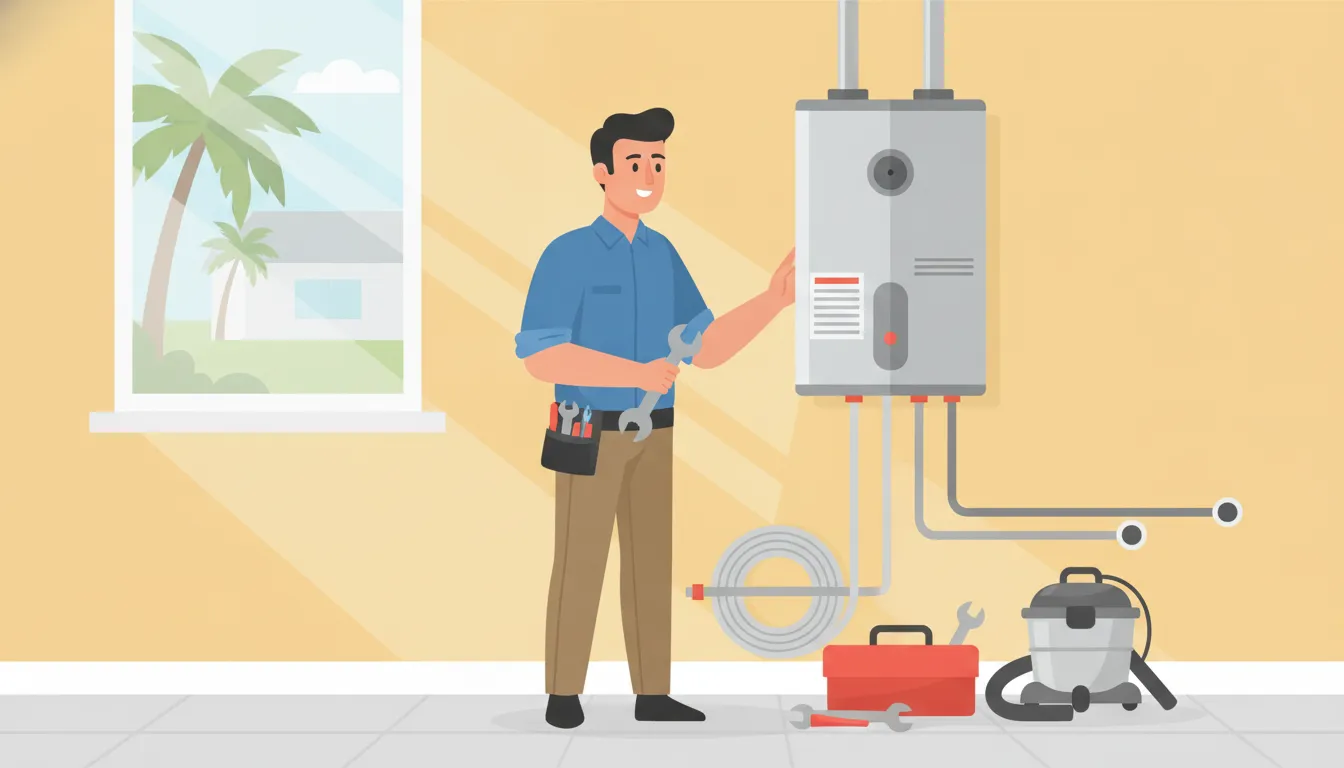
Tankless Water Heater Installation Martin County FL
A tankless water heater can free up space and heat water only when a fixture calls for it. The right installation still depends on your home's demand, utilities, placement, and local requirements.
Contact Miranda Home Services for a local tankless water heater evaluation.
For dependable tankless water heater installation martin county homeowners can trust, Miranda Home Services evaluates flow needs, gas or electrical capacity, venting, plumbing connections, and project-specific permit considerations before work begins.
That preparation helps avoid choosing a unit that cannot keep up with simultaneous showers or appliances. It also creates a clearer path through code and inspection questions in Stuart, Palm City, Hobe Sound, and nearby communities.
Before comparing equipment, consider how tankless heating works and whether its benefits fit your Martin County home. You can also review Miranda's Treasure Coast service areas.
Why Choose a Tankless Water Heater in Martin County?
Miranda Home Services installs tankless water heaters in Martin County for homeowners who want on-demand hot water and a smaller equipment footprint. The right system still depends on household demand, utilities, placement, water conditions, and service access.
A tankless water heater warms water only when a fixture opens. Cold water passes through a heat exchanger, while a gas burner or electric element raises its temperature. This design avoids the standby heating associated with stored water. ENERGY STAR explains the efficiency benefits of tankless gas systems and their secondary heat exchangers at ENERGY STAR.
That on-demand operation can suit Martin County homes with limited storage space or changing occupancy. It also means less stored water waiting in a tank. Seasonal residents may appreciate a system that heats water when needed, rather than maintaining a full tank between visits.
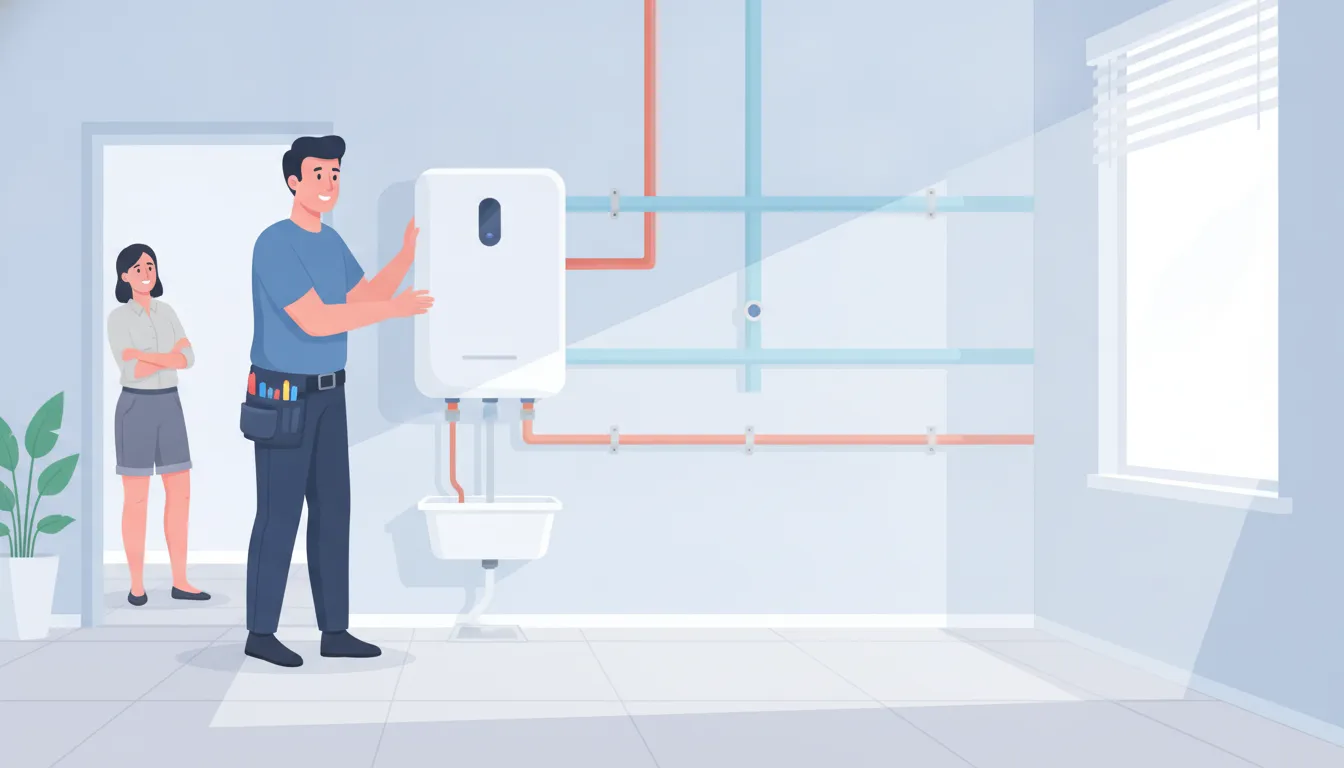
Tankless equipment still requires careful planning. A unit must match peak demand, expected flow, incoming water temperature, desired outlet temperature, and available gas or electrical capacity. A shower, dishwasher, and washing machine running together can stretch one unit to its flow limit. Larger households may need a larger model or more than one heater.
Martin County conditions matter, too. Treasure Coast water can contribute to mineral scale inside the heat exchanger. Installation planning should account for filtration, scale control, and the manufacturer's maintenance requirements. Miranda also offers water filtration installation when water conditions call for a broader review. Placement also affects venting, service access, drainage, and connections.
Miranda Home Services installs both tank and tankless water heaters. Its licensed plumbing team, license CFC1427227, can review the home's existing connections and provide a written estimate before work begins. That assessment helps identify tradeoffs before you choose a system.
Contact Miranda for a local tankless water heater evaluation.
Is Tankless Water Heater Installation Right for Your Martin County Home?
Tankless water heater installation in Martin County may fit a home when the selected unit matches peak demand and the property can support its gas or electrical. Venting, plumbing, and service requirements. Miranda Home Services evaluates those conditions before recommending an approach.
Tankless water heater installation in Martin County can suit homeowners who want on-demand hot water and more usable space. Miranda Home Services can evaluate your household demand, utilities, placement, existing plumbing, and maintenance needs before recommending a system.
Contact Miranda for a local tankless water heater evaluation.
Start with your household's hot water demand
Consider how your household uses hot water during its busiest periods. Several showers, a dishwasher, or a washing machine running together can push one unit toward its flow limit.
That does not automatically rule out tankless equipment. It means sizing must reflect peak demand rather than average daily use. A professional assessment should review fixture flow, desired water temperature, incoming water conditions, and the unit's output.
Compare gas and electric capacity
Gas and electric models place different demands on a home. Gas equipment requires suitable fuel capacity and venting. Electric equipment requires adequate electrical capacity and appropriate circuit planning.
The best option depends on the home's existing utilities, the selected unit, and the installation location. A replacement plan that looks simple from the outside may require changes to connections or supporting systems.
Review placement and existing plumbing
Available wall space, vent routes, water lines, shutoff access, and drainage can affect the installation plan. The location should also support safe operation and practical future service.
Older homes may need plumbing or utility updates before the new heater can operate as intended. Homes in Stuart, Palm City, and Hobe Sound can also face hard-water conditions that make scale control worth discussing during planning.
Project scope may influence which local reviews or inspections apply. Plumbing, gas, electrical, venting, and the chosen location can all matter, so avoid assuming that every installation follows the same process.
Miranda performs both tank and tankless installations through its professional tankless water heater installation service. A technician can explain the available approach and provide a written estimate before work begins.
If the evaluation shows that your current system needs attention first, Miranda's water heater repair services can help identify the underlying issue.
How Do You Size a Tankless Water Heater?
Answer: Miranda Home Services sizes a tankless water heater by reviewing your home's peak simultaneous demand, incoming water temperature, desired setpoint, flow output, and available gas or electrical capacity. The assessment also considers recirculation needs and installation conditions, so the selected system can serve your household without relying on guesswork.
Start by listing the fixtures that may run together during your busiest period. A shower, kitchen faucet, washing machine, or dishwasher can draw hot water at the same time. Multiple fixtures can stretch a tankless unit to its flow limit, especially when household routines overlap.
Next, a technician evaluates the temperature rise required. Incoming water temperature changes with weather, plumbing conditions, and location. The unit must raise that water to your preferred hot-water setpoint while maintaining useful flow. A higher temperature rise generally leaves less available flow from the same system.
Fuel and electrical capacity matter just as much. Gas units require suitable fuel delivery and venting. Electric units require adequate electrical service and correctly sized circuits. Placement, piping, and drainage also affect the practical installation plan.
| Sizing factor | What the technician checks | Why it matters |
|---|---|---|
| Peak demand | Fixtures likely to operate together | Prevents hot-water shortages during busy periods |
| Flow output | Required gallons per minute at the needed temperature rise | Confirms the unit can serve expected demand |
| Incoming temperature | Cold-water temperature entering the heater | Determines how much heating capacity is required |
| Utility capacity | Gas supply, venting, electrical service, and circuits | Supports safe, code-aware operation |
| Recirculation | Whether the home needs a recirculation system or controls | Helps balance convenience, piping layout, and system operation |
Recirculation deserves a specific conversation. It may improve convenience in homes with long pipe runs, but the design should match the equipment and household usage. In Treasure Coast homes, hard-water conditions can also influence maintenance planning and scale control.
For professional tankless water heater installation, Miranda Home Services can review these factors before recommending an approach. The goal is a properly matched system, not simply the largest available unit.
What Permits and Code Checks Apply in Martin County?
Answer: Tankless water heater installation in Martin County may involve plumbing, fuel, electrical, venting, condensate, clearance, and inspection reviews. Requirements depend on the equipment, location, existing connections, and project scope. Miranda Home Services can evaluate those conditions, explain the planned work, and provide a written estimate before installation.
Permit requirements are not identical for every Stuart, Palm City, or Hobe Sound home. A replacement using existing connections may receive different treatment than a conversion from a storage tank. Changing a gas line, adding a circuit, relocating equipment, or modifying venting can also affect the review.
Which systems should be checked?
A professional assessment starts with the plumbing. The technician reviews water lines, shutoff access, discharge provisions, and the planned connection point. The unit must also match the home's expected hot-water demand and available utility capacity.
Gas models require attention to fuel supply, pipe sizing, combustion air, vent materials, termination, and appliance clearances. Electric models require a review of voltage, amperage, breaker capacity, wiring, disconnect access, and available service capacity. Neither option should be selected from the unit label alone.
Venting must follow the equipment manufacturer's instructions and applicable requirements. Condensing models may need a condensate drain and neutralization approach. The installation location also matters. Technicians should confirm service access, separation from combustible materials, protection from weather, and safe routing for exhaust or intake components.
What documentation should homeowners request?
Ask for the equipment model, planned connection changes, permit responsibility, inspection expectations, and closeout documents. Keep the installation manual, warranty information, receipts, and any inspection approval with your home records.
Miranda's licensed plumbing team, license CFC1427227, handles tank and tankless installations. You can review professional tankless water heater installation or explore Miranda plumbing services before scheduling an evaluation. The right scope review helps prevent surprises without promising a permit outcome before the property is assessed.
Contact Miranda for a local water heater evaluation.
What Happens During Professional Installation?
Professional installation includes a site assessment, system selection, scope and permit review, equipment removal, utility and plumbing connections, startup testing, and homeowner guidance. Miranda Home Services treats tankless installation as a complete system project rather than a simple equipment swap.
Miranda Home Services approaches tankless water heater installation as a complete system project, not a simple equipment swap. The process checks sizing, utilities, venting, connections, safety controls, and local requirements before the new unit serves your home.
- Assess the existing system and home. The technician reviews your current heater, hot water demand, fixture locations, available space, plumbing layout, and installation conditions. Gas, electrical, venting, drainage, and clearance requirements also receive attention.
- Discuss the right system. Selection should account for peak demand, flow output, incoming water conditions, desired temperature, and available utility capacity. Running several fixtures together can stretch a unit to its flow limit. The technician can explain whether a gas or electric model fits the home and expected use.
- Review permits and scope. Permit and inspection needs can vary with the plumbing, gas, electrical, venting, and project details. A professional reviews the applicable requirements before work begins. This helps keep the installation aligned with local expectations without making assumptions about your specific property.
- Provide the written estimate. Miranda Home Services provides an upfront written estimate before work begins. The estimate should identify the planned equipment, work scope, and relevant project details, so you understand what the installation includes.
- Remove the old heater. The installer safely isolates water and utilities, drains the existing tank when applicable, and removes the old equipment. The work area is prepared for the new system while protecting surrounding finishes as reasonably possible.
- Prepare plumbing and utilities. The technician adapts water lines and confirms the supply connections. Depending on the model, the work may include gas piping, electrical service, venting, condensate management, shutoff components, and required safety features.
- Connect and secure the unit. The new heater is positioned according to manufacturer instructions and site requirements. Water, fuel or electrical, venting, and discharge connections are completed carefully. Miranda's Florida plumbing license is CFC1427227.
- Commission and test the system. The technician checks for leaks, verifies utility operation, confirms temperature settings, and tests hot water delivery. Controls and safety functions receive a final review before the system is placed into service.
- Document the completed work. You should receive practical guidance for operation, maintenance, scale control, and future service. Keep the model information and installation records with your home documents. For details about professional tankless water heater installation, review Miranda's service information.
Contact Miranda to request a local evaluation.
How Can You Maintain the New System?
Answer: Miranda Home Services recommends following the unit manufacturer's maintenance instructions, especially when local water conditions may encourage mineral scale. A service professional can identify the correct flushing interval, inspect components, and address warning signs before they interrupt hot water.
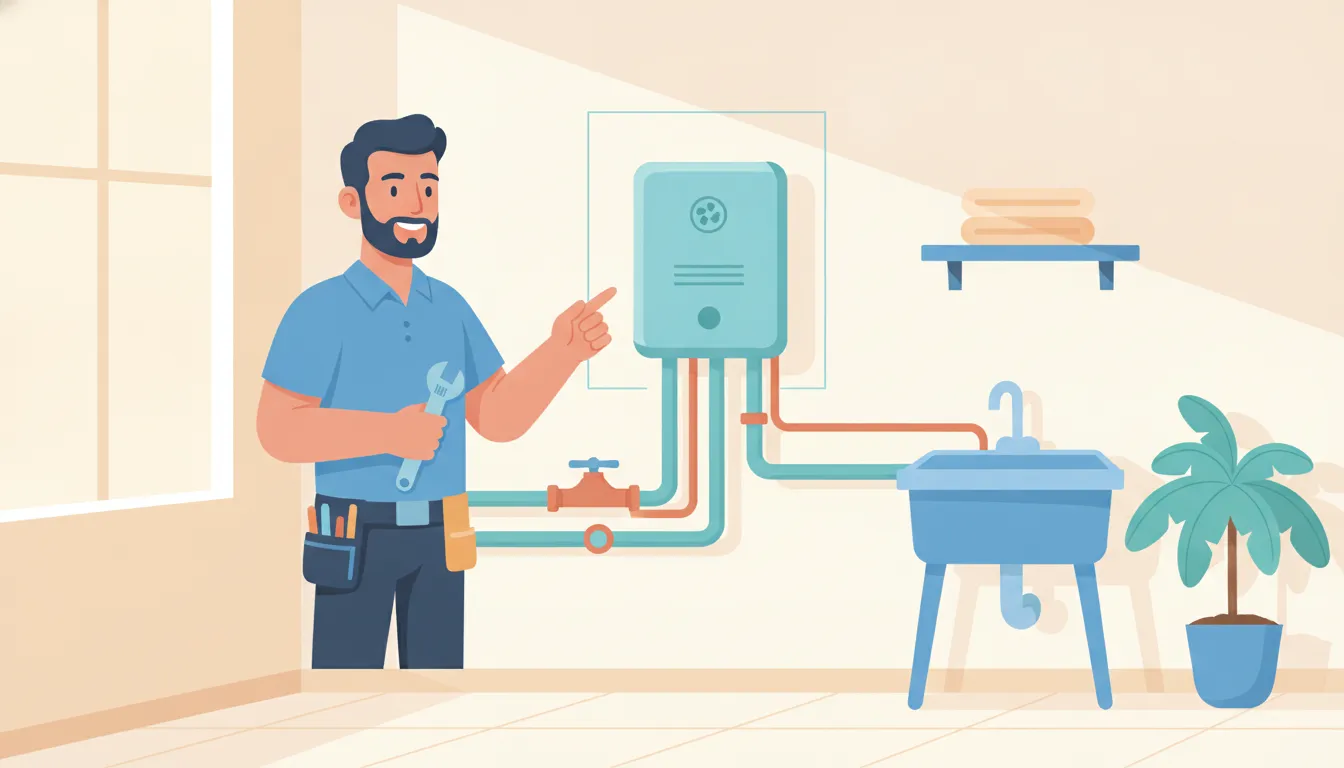
Hard water can leave mineral deposits inside the heat exchanger. Scale may reduce heat transfer, restrict water flow, and make the system work harder. The impact depends on the equipment, water chemistry, usage, and treatment already present in the home.
Ask your installer which descaling method and schedule fit your model. Professional flushing usually involves isolating the heater, circulating an approved cleaning solution, and rinsing the system thoroughly. A technician should also check filters, valves, connections, venting, and the condensate path when those components apply.
A water treatment device may help reduce incoming minerals, but it should match the home's water conditions. Testing can help determine whether filtration, softening, or another approach makes sense. Do not add treatment equipment solely because an annual schedule appears online.
Which warning signs deserve attention?
Call for help if hot water becomes inconsistent, the flow drops, the unit displays recurring error codes, or unusual sounds develop. Leaks, damaged venting, gas odors, or repeated shutdowns need prompt attention. Do not open gas components or bypass safety controls yourself.
Miranda Home Services can evaluate a tankless unit and explain whether cleaning, adjustment, or replacement is appropriate. Review the company's water heater repair services when the system needs troubleshooting or corrective work.
Contact Miranda Home Services for a local water heater evaluation.
Frequently Asked Questions
How much does tankless water heater installation cost in Martin County?
There is no reliable one-size-fits-all price. The total depends on the unit, fuel type, gas or electrical upgrades, venting, water-line changes, permits, and installation conditions. Miranda Home Services reviews your home and provides a written estimate before work begins.
Do I need a permit for tankless water heater installation in Florida?
Permit and inspection requirements can vary by the work involved and the local jurisdiction. A project may require review of plumbing, gas, electrical, venting, condensate, and clearances. Your installer should confirm the applicable Martin County requirements before work starts, rather than assuming a replacement follows one universal rule.
How do I know what size tankless water heater my home needs?
Sizing starts with peak hot-water demand, not the number printed on the old tank. A professional considers simultaneous showers and fixtures, fixture flow, incoming water temperature, desired temperature, and available gas or electrical capacity. This review helps prevent disappointing flow when several fixtures run together.
Is a gas or electric tankless water heater better for my home?
Neither option is automatically better. Gas models may suit homes needing higher flow, while electric models can fit homes without suitable gas service or venting. The right choice depends on utility capacity, installation location, household demand, and upgrade requirements. Miranda can compare practical options during an evaluation.
What maintenance does a tankless water heater need in Martin County?
Follow the manufacturer's maintenance schedule and plan for periodic flushing or descaling. Hard-water conditions can make scale control especially important on the Treasure Coast. Watch for reduced hot-water flow, temperature changes, error codes, or unusual noises, and arrange service before a small issue affects the system.
Schedule Your Martin County Installation Evaluation
A professional review can clarify sizing, utility needs, placement, and the code considerations for your home before work begins.
Request a Martin County tankless water heater installation evaluation
Need plumbing or HVAC service on the Treasure Coast?
Contact Miranda Plumbing & Air