

Tankless Water Heater Installation Cost: A Full Breakdown
For Treasure Coast homeowners, switching from a storage tank to an on-demand water heater is not just a question of choosing a unit. The project may also involve gas capacity, venting, electrical connections, plumbing changes, permits, and the layout of your home. Hard water and Florida's warm climate are additional factors worth considering before you compare quotes.
The tankless water heater installation cost depends on the equipment, the home's existing utilities, and the work needed to install it correctly. Tankless systems can reduce water-heating bills by about 10% to 20% compared with traditional tanks, according to the U.S. Department of Energy, but installation must follow local codes and manufacturer specifications.
A properly sized system can provide continuous hot water while making the investment easier to evaluate. The first step is separating the equipment price from the installation work and the upgrades that may be necessary.
Book an Appointment to get a free written estimate and see the exact tankless water heater installation cost for your Treasure Coast home.
How Much Does Tankless Water Heater Installation Cost?
For most homeowners, the tankless water heater installation cost includes more than the equipment mounted on the wall. A practical 2026 planning range is about $1,000 to $3,500 for a complete installation, while a national average estimate from Homewyse falls between $2,791 and $3,236 per heater. Your Treasure Coast home may land toward the middle or upper part of that range if the project requires updated venting, gas service, electrical work, or plumbing changes.
Typical equipment and installation ranges
Equipment pricing varies by fuel type and capacity. Electric tankless units commonly cost about $500 to $1,500. Gas models generally range from $1,000 to $2,800, while higher-efficiency condensing gas units may run from $1,500 to $3,200. Installation labor and related gas-line work can add approximately $800 to $2,000, with venting often adding another $300 to $800. Permits and inspections may contribute $100 to $300, depending on the local requirements and project scope.
Those figures are planning ranges, not a substitute for sizing the system to your home. A unit must match the hot-water demand, available fuel, and existing infrastructure. A smaller electric installation may be relatively straightforward, while a whole-home gas conversion can require more preparation before the new heater is connected.
Why Florida homes can price differently
Treasure Coast conditions deserve specific attention. Hard water can contribute to mineral scale inside a tankless heat exchanger, and the installation should account for the maintenance approach that will keep the system performing well. Homes also differ in age, layout, gas-line distance, vent path, and electrical capacity. These details explain why two nearby homes can receive different estimates even when they choose similar equipment.
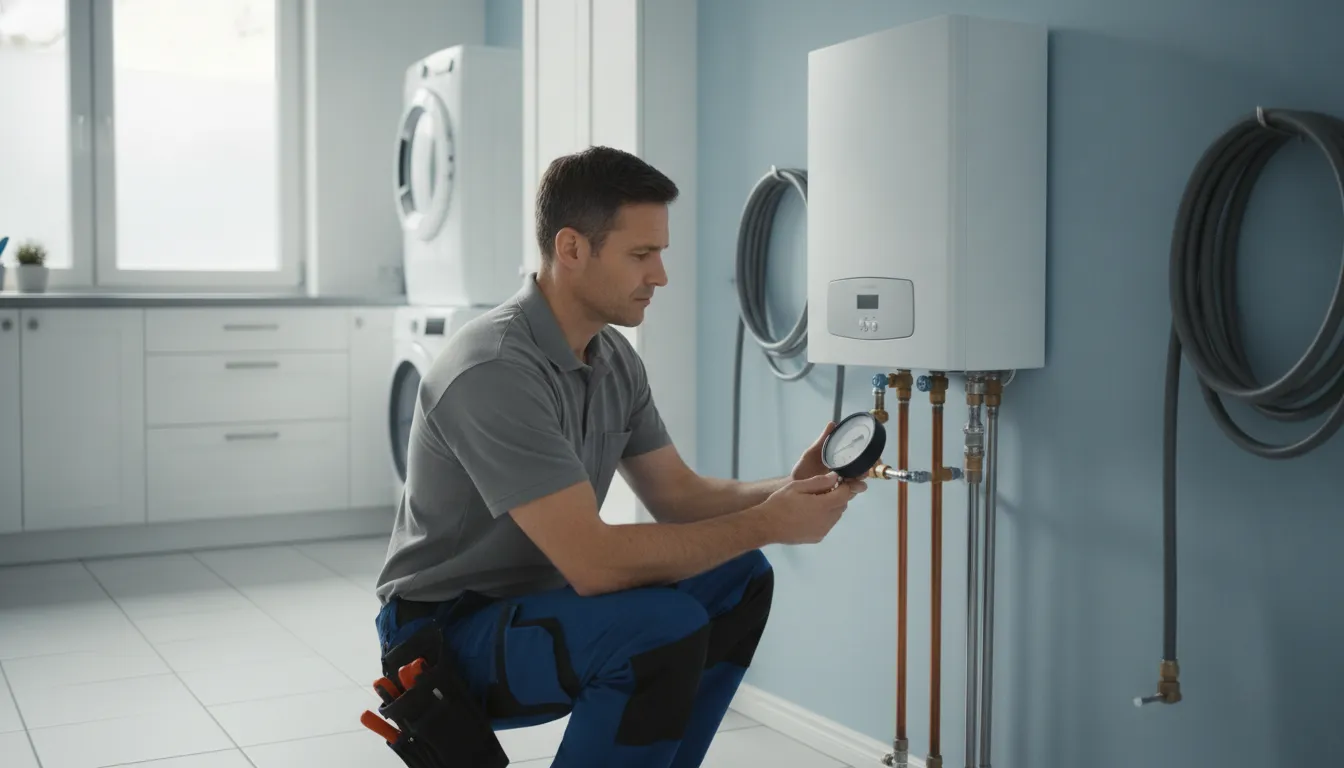
The higher upfront investment can have a long-term benefit. Because tankless systems heat water on demand instead of maintaining a stored tank, the U.S. Department of Energy reports that they can reduce water-heating bills by about 10% to 20% compared with traditional tank systems: review the energy guidance. The right comparison should consider both installation requirements and expected use, not just the lowest equipment price.
Miranda provides a free estimate and a straightforward written quote before installation begins. For a local assessment, explore tankless water heater installation options and the upgrades your home may need.
What Drives the Final Price of a Tankless Installation
The equipment is only one line on an installation quote. The final price depends on how well the selected heater fits your home's gas supply, electrical capacity, plumbing layout, venting route, and hot-water demand. A proper installation also has to follow local codes and the manufacturer's specifications for gas, venting, water, and electrical connections. The U.S. Department of Energy's Building America guidance recommends sizing a gas-fired unit around the maximum flow rate and temperature rise your household requires. Rather than choosing by the unit's nameplate alone.
Gas Line and Venting Upgrades
Gas-fired models may need a larger supply line if the existing piping cannot deliver enough fuel without affecting other gas appliances. A gas line upgrade may add approximately $300 to $2,000, depending on the distance, access, and scope of the work. Confirming adequate gas supply before installation is an important design step, not an optional add-on.
Venting is another meaningful cost driver. Tankless equipment often uses a specialized venting arrangement rather than the setup used by a conventional storage tank. A new vent run may cost about $200 to $800. The price can change if the route passes through walls or ceilings, requires additional clearances, or involves a high-efficiency condensing model. Condensing units also need a code-compliant way to drain condensate.
Electrical, Plumbing, and Permit Requirements
Electric tankless systems can require dedicated breakers or an electrical panel upgrade. Allow roughly $400 to $1,200 when additional electrical capacity is needed. Plumbing adjustments, including rerouting pipes, relocating the heater, or adding shutoff valves, commonly fall near $150 to $500. Removing and disposing of the old tank may add another $100 to $250, while permits and inspections may range from $100 to $300.
Labor varies with the installer, project complexity, and accessibility. A straightforward replacement in the same location is different from a conversion that requires new gas, venting, electrical, and plumbing work. These estimates are planning ranges, not a substitute for an on-site evaluation.
A transparent quote should identify each applicable item before work begins: the equipment, labor, upgrades, permits, removal, and any required code-related work. Miranda Home Services provides written pricing before installation, so Treasure Coast homeowners can compare the scope of the project rather than relying on a low equipment-only price. For technical requirements, see the PNNL tankless water heater installation guidance.
Is Converting to a Tankless Water Heater Worth It?
For many Treasure Coast homeowners, the answer depends less on the equipment category and more on how the home uses hot water. Tankless systems cost more to install, but they can heat water only when you need it, eliminating standby losses. The U.S. Department of Energy reports that tankless units can reduce water-heating bills by about 10% to 20% compared with traditional tanks. Energy efficiency guidance also identifies condensing models as the most efficient option, with energy factors often above 0.95.
| Factor | Tankless | Traditional tank |
|---|---|---|
| Upfront cost | Usually higher because the project may require new venting, gas-line capacity, electrical work, or plumbing adjustments. | Often simpler to replace when the existing connections and tank location can be reused. |
| Energy use | Heats water on demand and may reduce water-heating bills by 10% to 20%. | Uses energy to maintain a stored supply, creating standby losses. |
| Hot-water supply | Provides continuous hot water when correctly sized for the home's flow demand. | Offers a finite stored supply and may need 20 to 30 minutes or more to reheat after a large draw. |
| Lifespan | Often about 15 to 20 years or longer with appropriate maintenance and water conditions. | Commonly about 8 to 12 years, depending on water quality and maintenance. |
| Space | Compact and does not require a large storage tank, freeing useful utility-room or garage space. | Requires room for a 40- to 80-gallon tank and service access. |
| Maintenance | Annual heat-exchanger flushing is especially important in hard-water areas. | Still needs routine inspection and maintenance, including attention to sediment and corrosion. |
The tradeoff is important in Florida. Hard water can allow mineral scale to accumulate in a tankless heat exchanger, so annual flushing should be included in the ownership plan. That recurring service can protect efficiency and help preserve the system's expected service life. The compact design, continuous supply, and possible resale appeal may be especially useful for a busy household, a smaller home, or a property occupied year-round.
Converting is often worth a closer look when your current tank is aging. Your household regularly runs out of hot water, or you expect to remain in your Treasure Coast home for many years. If hot-water demand is modest and the existing tank is newer, a like-for-like replacement may offer a lower initial investment. A professional comparison should account for the home's demand, available utilities, water quality, installation requirements, and the complete tankless water heater installation cost, not just the price on the equipment label.
Tankless Water Heater Costs on Florida's Treasure Coast
Installing a tankless water heater on the Treasure Coast is not a one-size-fits-all project. Local water conditions, the home's hot-water demand, and the location of the unit all affect the equipment selected and the work required. A careful installation plan can make the system more dependable and help you avoid paying for capacity or upgrades your household does not need.
Hard water makes maintenance part of the budget
Many Treasure Coast homes receive relatively hard water. Calcium and magnesium can collect as scale inside the heat exchanger, reducing efficiency and shortening the system's useful life. For that reason, Miranda recommends an annual professional flush, particularly in mineral-rich areas. This maintenance removes buildup before it interferes with performance and gives a technician an opportunity to check the system's operation.
Annual service should be treated as an ownership cost when comparing tankless and storage-tank options. If you notice inconsistent hot water, reduced flow, or longer waits at the tap, water heater repair services can identify whether scale or another issue is affecting the unit.
Florida temperatures still affect sizing
Tankless equipment must be sized for both the maximum flow rate your household may use at one time and the required temperature rise. That rise is based on the incoming groundwater temperature and your desired hot-water setting. Florida's comparatively warm groundwater can mean a moderate temperature rise, but the calculation still matters when showers, washing machines, and faucets may operate together. A unit that is too small may struggle to deliver the comfort you expect, while an oversized system can add unnecessary installation expense.
Gas-fired models generally provide greater hot-water capacity than electric units, which can make them a practical option for larger homes or households with heavier demand. The right choice also depends on available utilities, electrical service, venting, and the home's layout.
Outdoor and garage placements deserve a local review as well. Treasure Coast humidity and salt air can influence equipment exposure, clearances, and long-term maintenance needs. A licensed professional can recommend an appropriate location and account for those conditions in the written estimate.
What to Expect During Tankless Water Heater Installation
A well-planned replacement is usually straightforward. For a direct replacement with suitable connections already in place, the installation may be completed in one day. More involved projects can take longer when the home needs updated gas, electrical, venting, or drainage work. Your installer should explain those conditions before work begins.
- Start with a consultation and written estimate. The technician reviews your current water heater, hot-water habits, available space, and goals. Ask what is included in the quote, including equipment, labor, permits, disposal, and any required upgrades. Miranda provides upfront written pricing before installation work begins, so you can compare the project scope with the expected cost.
- Size the system for your home. Tankless sizing is based on the maximum flow rate you may need at one time and the temperature rise from incoming water to your selected hot-water setting. The U.S. Department of Energy's Building America Solution Center identifies both factors as part of selecting a gas-fired unit. This review helps avoid choosing a system that cannot keep up with simultaneous showers, laundry, or kitchen use.
- Check permits, codes, and existing connections. The installer confirms local permit requirements and evaluates gas capacity, electrical connections, clearances, and the planned vent route. A gas unit may require a supply check so it does not affect other appliances. The work must follow local codes and the manufacturer's specifications.
- Install the unit and supporting systems. The crew mounts the heater, connects the water lines, and completes the gas or electrical work. Gas models require properly designed venting, which may differ from conventional tank equipment. A condensing model also needs condensate drainage that meets code. These details are why professional plumbing services are important for a safe, dependable installation.
- Complete startup testing. After connections are finished, the technician checks for water or gas leaks, verifies venting and electrical operation, and confirms that the unit responds correctly to changing demand. The system should deliver hot water at the intended temperature without unusual noises, odors, or error codes.
- Finish with a clear handoff. Before leaving, the installer reviews controls, maintenance intervals, warranty coverage, and any water-quality recommendations for your Treasure Coast home. You should know how to operate the unit, what routine flushing involves, and whom to contact if questions arise after installation.
Financing and Warranty Options for Tankless Installation
A tankless upgrade is a significant home investment, particularly when the project includes new gas piping, venting, electrical work, or other updates. Miranda Home Services offers financing options through GreenSky for qualifying homeowners planning major installations. Reviewing the application and payment terms before work begins can help you choose an approach that fits your household budget.
Cost clarity is part of the installation process. Miranda provides a free estimate and an upfront, written quote that explains the recommended equipment and planned work before installation starts. That quote should account for the unit, labor, permits, and any required site upgrades. So you can compare the full project rather than focusing only on the equipment price. There are no hidden fees added after the work is approved.
Questions to Ask Before You Book
Ask whether the proposed price includes sizing, permits, startup testing, disposal of the old water heater, and any gas, electrical, venting, or condensate-drainage changes. You can also ask which warranty applies to the equipment and labor, and what maintenance the system will need in Florida's hard-water conditions.
New water heater installations include a 90-day labor warranty on all installation and replacement work, giving Treasure Coast homeowners added reassurance after the system is installed. New customers may also receive $20 off standard service appointments scheduled Monday through Friday, from 8 a.m. to 4 p.m. Confirm eligibility when requesting your estimate. A licensed, insured local team can explain the options clearly, whether you are replacing an aging tank or planning a new tankless system for a Port St. Lucie, Stuart, Vero Beach, or nearby home.
Book an Appointment today for a free estimate and upfront written quote on your tankless water heater installation.
Frequently Asked Questions
What is the average labor cost to install a tankless water heater?
Labor commonly falls between $500 and $2,000, depending on the home's existing plumbing, gas or electrical requirements, venting, and installation complexity. A written site-specific quote is more useful than a national average because Treasure Coast homes can need different utility upgrades.
What hidden costs can affect the installation price?
Potential additions include a larger gas line, specialized venting, electrical changes, condensate drainage for a condensing model, plumbing adjustments, permits, and removal of the old heater. Proper installation must follow local codes and manufacturer specifications, including requirements for gas supply, venting, and electrical connections, according to PNNL guidance.
Is converting from a tank water heater worth it?
It can be worthwhile when you value continuous hot water, compact equipment, and lower standby energy loss. The U.S. Department of Energy reports that tankless units can reduce water-heating bills by about 10% to 20% compared with traditional tanks. Although the higher upfront investment and future maintenance should be part of the decision.
How long does tankless water heater installation take?
Many straightforward replacements can be completed in one day. Projects take longer when the home needs utility upgrades, new venting, condensate drainage, permits, or extensive plumbing changes. Your installer should confirm the scope after checking flow demand, temperature rise, gas supply, and the installation location.
Are financing options available for a tankless installation?
Miranda Plumbing & Air offers GreenSky financing options for qualifying major home-system upgrades. The company also provides upfront written quotes, so you can review the expected project cost before work begins. Ask about current terms and eligibility during your estimate.
Ready to Book an Appointment?
A personalized estimate can help you understand which tankless water heater setup fits your home and budget. Miranda Plumbing & Air can review your options and explain the installation work clearly, so you know what to expect before moving forward. To discuss your project, Book an Appointment with the team.
Need plumbing or HVAC service on the Treasure Coast?
Contact Miranda Plumbing & Air