
Tankless Water Heater Cost Stuart FL Guide
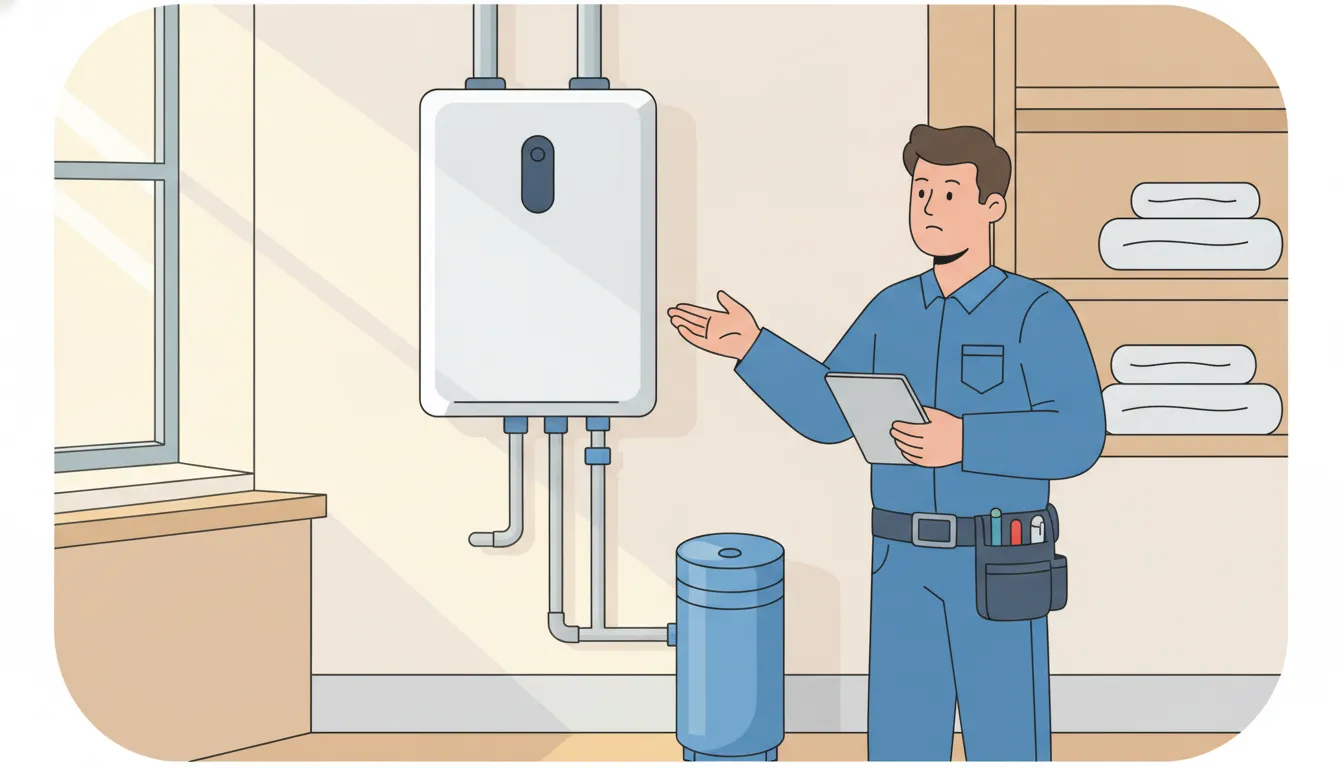
Tankless water heater cost stuart fl depends on more than the unit price. Replacing a water heater in Stuart is not simply a matter of choosing a tank size. Fuel type, household demand, venting, electrical capacity, permits, water quality, and installation access can all change the final investment.
Contact Miranda for a site-specific water heater estimate.
For tankless water heater cost stuart fl, expect a site-specific estimate rather than a universal price. Tankless systems may cost more upfront because they can require specialized gas lines, venting, piping, or electrical work. Payback depends on usage, fuel rates, maintenance, equipment life, and the comparison unit.
That makes the right comparison your home's total cost of ownership, not the equipment price alone. Miranda Plumbing & Air can help Stuart homeowners evaluate the practical details before committing, starting with what the installation estimate should include.
What Does Tankless Water Heater Cost in Stuart FL Include?
A tankless estimate covers more than the heater itself. It should show each cost category that affects your home's installation.
Tankless water heater cost in Stuart includes the unit, labor, fuel or electrical upgrades, venting, plumbing changes, permits, disposal, and possible water-treatment work. The final estimate depends on your home's existing connections, access, peak hot-water demand, and the equipment selected. A written scope should identify each item.
Published figures can provide context, but they are not Miranda Plumbing & Air quotes. Broad replacement ranges combine tank and tankless equipment, labor conditions, and different installation scopes, so they should not be treated as a tankless price.
Tankless projects may cost more than straightforward tank replacements. Specialized gas lines, venting, and other piping changes can increase installation complexity.
| Cost category | What it may include | Why it varies |
|---|---|---|
| Equipment | The tankless unit, controls, required accessories, and manufacturer-specific components. | Fuel type, capacity, efficiency, warranty, and household demand affect the selection. |
| Labor | Removal of the old heater, installation, connections, testing, and startup. | Existing piping, access, wall conditions, and the work required for code compliance can change labor time. |
| Fuel and venting | Gas-line adjustments, combustion venting, or electrical connections for an electric model. | A home may need upgrades before it can support the selected unit. |
| Permits and disposal | Required permit coordination and removal of the existing water heater. | Local requirements and the condition of the old equipment affect the final scope. |
| Water quality | Possible filtration, treatment, or maintenance recommendations. | Hard water can affect tankless performance and lifespan when it is not addressed. |
Fuel choice affects both installation work and operating costs.
Household demand also shapes the estimate. Tankless heaters commonly deliver 2 to 5 gallons per minute, and simultaneous use can exceed one unit's capacity. A qualified installer should evaluate fixtures, peak demand, and available utilities before recommending equipment.
For a clearer scope, compare the proposed equipment, labor, code work, permits, disposal, and optional water-treatment needs. Miranda's water heater installation and replacement service page provides the relevant installation pathway.
Which Installation Factors Change the Price?
The equipment choice is only one part of a tankless installation estimate. Your home's fuel, demand, layout, and existing connections can change the work involved.
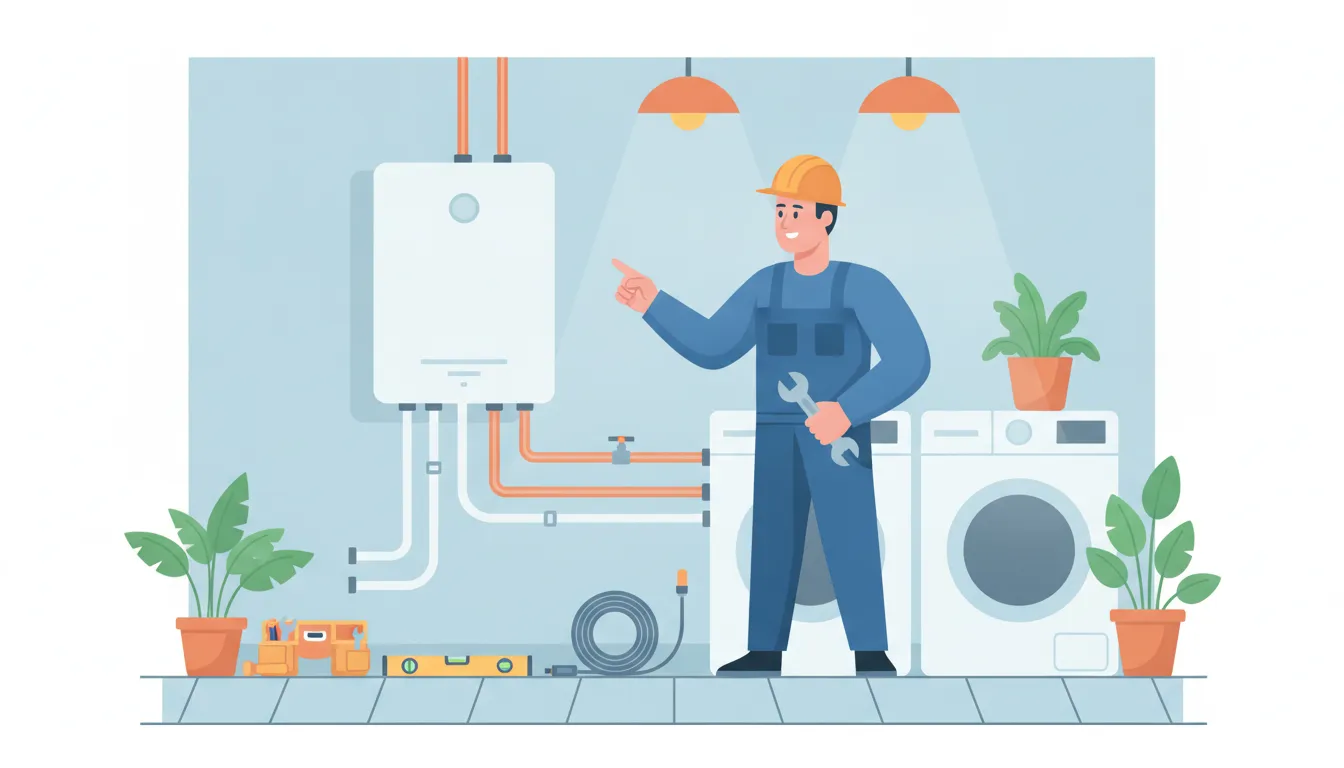
Installation price changes when a Stuart home needs gas-line work, new venting, electrical capacity, pipe relocation, difficult access, permits, or water-treatment planning. Peak demand also affects the required flow rate and whether one unit can serve the household. These conditions should appear as separate line items in a clear estimate.
Fuel type and household demand
Gas and electric models require different site preparations. A gas unit may need specialized gas piping and approved venting. An electric unit may need sufficient electrical capacity and dedicated circuits.
Household demand also affects equipment sizing. Tankless heaters commonly deliver 2 to 5 gallons per minute. Multiple showers, appliances, or fixtures running together can exceed one unit's capacity.
A professional estimate should consider peak demand instead of counting only the home's bedrooms. A larger household may need a higher-capacity unit, multiple units, or changes to usage expectations.
These requirements can make tankless installation more complex than tank replacement.
Plumbing, venting, and electrical changes
Existing water lines may need repositioning to match the new heater. The installer may also need to add isolation valves, service connections, or a condensate drain.
Gas equipment requires compatible venting and combustion air arrangements. The home's current vent may not meet the new unit's requirements. Reusing it without inspection is not a safe assumption.
Electric equipment can require panel capacity, wiring, and breaker changes. If the electrical system cannot support the selected unit, the estimate must include an appropriate correction.
Access, code, and water quality
Tight closets, attic locations, long pipe runs, and difficult exterior access can increase labor. Moving equipment or creating service clearance may also affect the scope.
Permits and code requirements depend on the project and local conditions. A complete estimate should identify required approvals rather than treating them as an afterthought.
Hard water matters in the Treasure Coast. Mineral buildup can affect tankless performance and lifespan when water quality is not addressed. Treatment or maintenance recommendations may therefore affect the total project cost.
For a site-specific review, compare your options with tankless installation and replacement service from a licensed local professional. The right estimate should explain each cost driver clearly, without presenting a general market figure as Miranda's price.
How Much Can a Tankless Heater Save Each Year?
Tankless savings usually refer to energy used for water heating, not the entire household utility bill. That distinction matters when comparing equipment.
A tankless system can reduce standby losses, but annual savings vary by fuel type, household demand, utility rates, equipment, and maintenance. ENERGY STAR estimates about $95 in yearly gas savings for a family of four using a certified gas tankless unit instead of a standard gas storage heater.
A storage heater keeps water hot between uses. A tankless system heats water when fixtures create demand, which can reduce standby energy losses.
ENERGY STAR estimates approximately $95 in annual gas savings for a family of four using a qualifying tankless gas water heater. Review the ENERGY STAR savings information for the full comparison and assumptions.
Actual Stuart savings depend on household conditions.
Usage patterns affect the result
A household using more hot water may have greater potential savings. It may also need a larger system or multiple units to meet peak demand.
Daily habits matter as well. Long showers, frequent laundry, and simultaneous fixture use change total hot-water consumption.
Fuel type and local rates matter
Gas and electric systems have different operating costs, capacities, and installation requirements. Your fuel source affects both energy savings and monthly expenses.
Utility rates change the dollar value of energy savings.
Electric tankless equipment may reduce energy waste, but its benefit depends on electricity rates and the home's available electrical capacity. Gas models depend on gas rates and proper venting.
Maintenance protects expected performance
Treasure Coast water conditions can affect tankless performance when mineral buildup is not addressed. Periodic maintenance can help protect heat transfer and reliable operation.
Maintenance has a cost, so include it when comparing long-term ownership. A system that saves energy but receives no needed service may not deliver its expected value.
Compare projected water-heating costs with current bills.
When Does the Investment Break Even?
Payback depends on the extra installation cost, not the full replacement price. Use a simple calculation to set realistic expectations.
Estimate payback by dividing the added tankless installation cost by expected annual energy savings. The result is only a planning estimate because fuel rates, hot-water use, maintenance, water quality, repairs, equipment life, and future installation needs can change total ownership costs.
- Find the incremental project cost. Subtract the comparable storage-tank replacement cost from the complete tankless project cost. Include equipment, labor, venting, gas or electrical changes, permits, disposal, and any required water treatment. A published market range is not a Miranda quote, because every Stuart home has different site conditions.
- Estimate annual energy savings. Use documented savings only when the comparison fits your household and fuel type. ENERGY STAR reports approximately $95 in annual gas savings for a family of four using an ENERGY STAR certified tankless unit instead of a standard gas storage heater. ENERGY STAR explains the tankless savings estimate. Your actual result depends on hot-water use, fuel, utility rates, and equipment settings.
- Divide the difference by yearly savings. The formula is: incremental tankless cost divided by annual energy savings equals estimated payback years. This calculation measures energy savings only. It does not guarantee a specific outcome or account for every ownership cost.
- Test the formula with a hypothetical. Assume a tankless project costs $1,900 more than a comparable tank replacement. Assume annual energy savings of $95. The calculation is $1,900 divided by $95, producing a hypothetical payback of 20 years. This is an example, not a Stuart pricing estimate or a promised timeline.
- Review the variables before deciding. A household with higher hot-water demand might save more energy, but usage patterns can change. Lower demand may reduce annual savings. Gas prices and electric rates also change over time. Maintenance, water quality, repairs, and installation requirements affect total ownership costs.
- Compare payback with expected service life. A longer service life can make a slower energy payback more relevant. However, equipment life depends on installation quality, maintenance, water conditions, and use. In Treasure Coast homes, hard water may increase maintenance needs if it is not addressed.
For a more useful decision, compare tankless and storage options using your home's demand, fuel source, available connections, and site conditions. A professional assessment can replace assumptions with project-specific numbers.
Is Tankless Worth It for a Stuart Home?
Tankless water heating can be a strong fit, but the right choice depends on how your household uses hot water. A smaller household with steady demand may value lower standby losses and added space. A larger family may need a higher-capacity unit or a different setup.
Tankless may be worthwhile for a Stuart home when space, on-demand hot water, and long-term efficiency matter more than the lowest upfront price. It may be less suitable when electrical, gas, venting, demand, or maintenance requirements make installation disproportionately complex. A site review helps compare those tradeoffs.
Most tankless units deliver about 2 to 5 gallons per minute. That output may not cover multiple showers, laundry, and a dishwasher running together. Ask an installer to calculate your peak simultaneous demand before choosing equipment. This step matters more than household size alone.
When does the longer lifespan matter?
Tankless water heaters typically last more than 20 years. Conventional storage units generally last 10 to 15 years. That longer service life can improve the value of a higher initial investment, especially when replacement timing is already approaching.
However, lifespan depends on water quality, usage, installation, and maintenance. Hard water in the Treasure Coast can affect tankless performance and shorten equipment life if mineral buildup is not addressed. Your plan may need flushing, filtration, or water treatment.
What maintenance does a tankless unit need?
Routine maintenance helps protect heat transfer and flow. A qualified technician can review manufacturer requirements, inspect connections, and determine whether descaling is appropriate. Homes with hard water may need more attention than homes with fewer mineral concerns.
Tankless systems also make sense when utility space is limited. Their compact design can free floor space, but installation still requires suitable plumbing, fuel, venting, and electrical connections. Existing infrastructure may need changes.
If your current heater is failing, compare repair costs with the age and condition of the system. Professional water heater repair may be practical for a newer unit. Replacement may make more sense when failures repeat or the system is near the end of its expected life.
Miranda Plumbing & Air is a local, licensed plumber and Ruud Pro Partner. Its license number is CFC1427227. A site-specific review can help compare tank and tankless options without promising a particular savings result.
For homeowners ready to evaluate the equipment, fuel, demand, and installation conditions, review Miranda's water heater replacement options.

How Can Stuart Homeowners Get an Accurate Estimate?
A useful estimate starts with your home, not a generic online calculator. Ask the plumber to inspect the conditions that affect equipment selection, labor, operating costs, and future maintenance.
An accurate estimate accounts for fuel, peak hot-water demand, electrical capacity, venting, water lines, access, permits, disposal, water quality, and maintenance. Ask for the recommended capacity, required work, optional upgrades, and assumptions behind any savings projection. This makes competing proposals easier to compare.
Before the appointment, gather recent utility information and note your household's hot-water habits. Include the number of residents, showers, appliances, and fixtures used at the same time. Also mention whether your home has frequent guests, seasonal occupancy, or plans for an addition.
Use this estimate-preparation checklist
- Fuel: Confirm whether gas, propane, or electricity is available and suitable for the selected unit.
- Demand: Identify peak-use periods and the fixtures that may run together.
- Electrical capacity: Check whether an electric model needs a dedicated circuit or panel work.
- Venting: For gas equipment, inspect the existing vent route and determine whether new venting is required.
- Water lines: Review pipe size, shutoffs, connections, and the route to the installation location.
- Access: Account for attic, closet, garage, exterior, or other placement conditions.
- Code and permits: Confirm which local requirements and permit steps apply to the installation.
- Water quality: Ask whether hard water treatment or a maintenance plan could protect performance.
- Disposal: Include removal and disposal of the existing water heater.
- Maintenance: Clarify recommended flushing, inspection, filter care, and service intervals.
A qualified assessment should separate necessary work from optional upgrades.
Miranda Plumbing & Air serves Stuart and the Treasure Coast as a licensed local provider, license CFC1427227. Miranda is also a Ruud Pro Partner. Its team can evaluate your home's conditions and explain available tankless water heater installation options without promising a one-size-fits-all price.
Contact Miranda for a site-specific water heater estimate.
Frequently Asked Questions
What does a tankless water heater installation usually cost in Stuart?
Total cost depends on the unit, fuel type, gas or electrical upgrades, venting, permits, and site conditions. General online replacement ranges often combine tank and tankless equipment, labor conditions, and different installation scopes. They should not be treated as a Miranda quote. Tankless installation can cost more than a straightforward tank replacement because it may require specialized piping, venting, or electrical work.
Can a tankless water heater lower my energy bills?
It can reduce water-heating energy use by avoiding standby losses, but the savings vary with household demand, fuel, utility rates, and maintenance. ENERGY STAR estimates about $95 in annual gas savings for a family of four using a certified tankless unit instead of a standard gas storage heater. ENERGY STAR savings information provides the comparison details.
How long does it take for the investment to pay back?
There is no reliable payback date for every Stuart home. Divide the added installation cost by estimated annual energy savings, then adjust for usage, fuel prices, maintenance, and equipment life. A professional estimate should show those assumptions clearly instead of promising a fixed timeline.
Does Stuart hard water affect tankless water heaters?
Yes. Hard water can cause mineral buildup that affects performance and service life. Your assessment should review water quality and recommend treatment or a maintenance schedule when needed. Regular descaling may be important for dependable operation.
Can one tankless unit supply a whole home?
Sometimes, but capacity must match peak demand. Tankless units commonly deliver 2 to 5 gallons per minute, and simultaneous showers, laundry, or dishwashing can exceed one unit's output. A plumber should calculate demand before selecting equipment or considering multiple units.
Contact us for a tankless water heater estimate
The right choice depends on your home's fuel type, hot water demand, venting, electrical setup, and water conditions. A site-specific review can help you compare installation costs with expected energy savings before choosing a system. Miranda Plumbing & Air can discuss practical options for your Stuart home without promising a one-size-fits-all payback timeline.
Need plumbing or HVAC service on the Treasure Coast?
Contact Miranda Plumbing & Air