
Sump Pump Installation for Florida Homes
Florida rain can expose weak points in a home's drainage system quickly. Sump pump installation can help move collected water away from a vulnerable foundation or low area.
The right setup depends on your home's foundation, water sources, discharge path, electrical supply, and maintenance plan. This guide explains what to evaluate before installation and how to keep the system ready for the next storm.
Contact Miranda Home Services to discuss your home's plumbing needs.
What Does a Sump Pump Do?
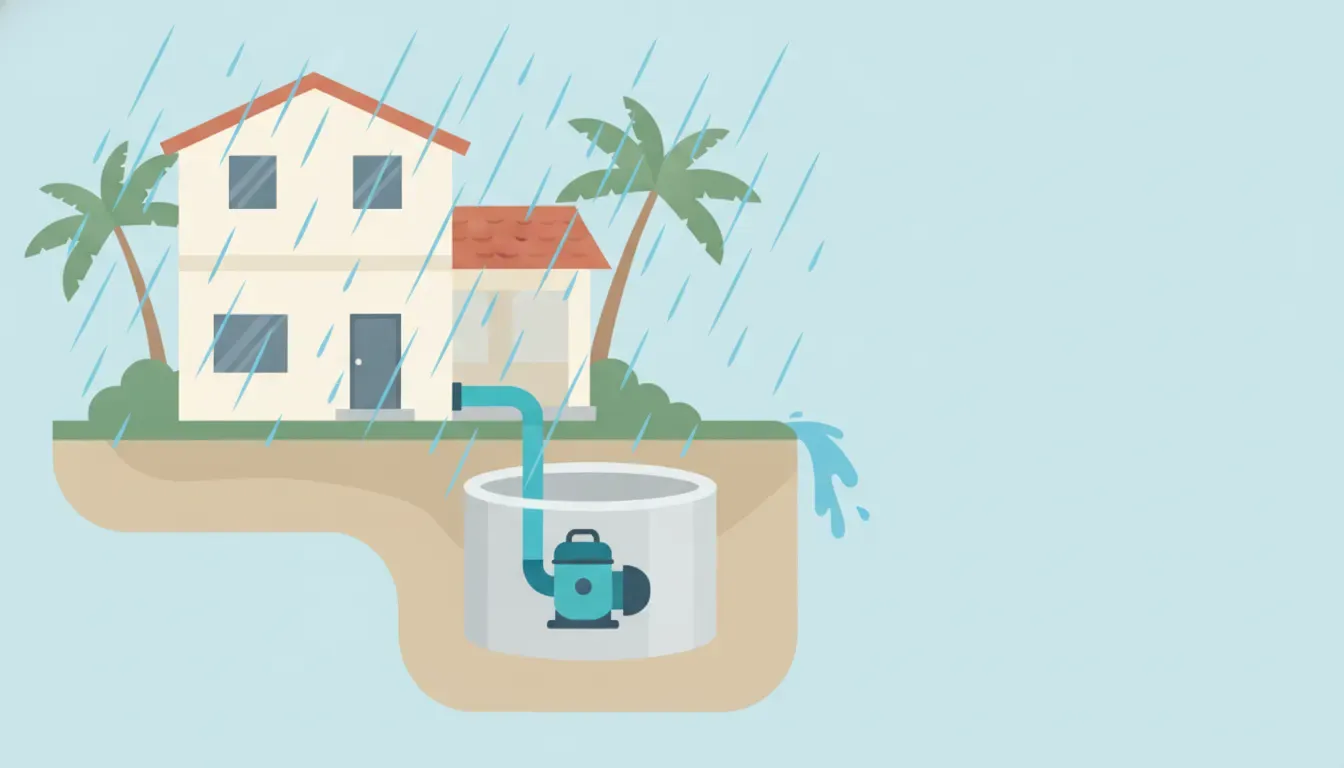
A sump pump collects water in a basin and sends it through a discharge pipe to a safe outdoor location. The basin sits at a low point where groundwater or surface water can gather.
When the water reaches a set level, a float or sensor activates the pump. The pump then pushes water through the discharge line until the level falls.
A sump pump does not stop every leak or fix poor grading. It is one part of a broader drainage plan that may include gutters, downspouts, grading, waterproofing, and leak repair.
In Florida, a sump system may help protect a low crawlspace, basement, utility area, or foundation drainage system. Not every home needs one. A professional assessment can identify the actual water source before excavation begins.
Does Every Florida Home Need Sump Pump Installation?
No. Many Florida homes use slab foundations and do not need a traditional sump basin. Other homes have low areas, crawlspaces, high groundwater, or drainage conditions that justify one.
Look for repeated moisture after heavy rain, standing water near a foundation, damp crawlspace soil, or a low area that drains slowly. These signs do not prove that a sump pump is the right fix.
Before planning installation, identify where the water comes from. Possible sources include groundwater, roof runoff, plumbing leaks, condensation, or water entering through foundation openings.
- Groundwater: Water may rise through soil around a low foundation area.
- Surface runoff: Poor grading or blocked downspouts may send rain toward the house.
- Plumbing leaks: A damaged supply or drain line needs repair instead of pumping.
- Storm exposure: Heavy rain can overwhelm a discharge route that works during normal weather.
Correcting the source first can reduce pump cycles and prevent unnecessary equipment wear. It can also make the final installation easier to size and maintain.
How Should You Plan a Sump Pump System?
Good planning connects the basin, pump, discharge line, power source, and maintenance access. Each part affects reliability during wet weather.
1. Choose the basin location
The basin should sit where water naturally collects. It also needs enough room for safe access, service, and a stable pump position.
A professional may evaluate the floor, foundation, groundwater movement, and nearby utilities before excavation. Florida homes can have different soil, slab, crawlspace, and drainage conditions.
2. Plan the discharge route
The discharge line must carry water away from the home without sending it back toward the foundation. Its route should account for slope, outlets, landscaping, and local requirements.
Discharge water should not create erosion, ponding, or a new path toward a neighboring property. A professional can review the route and confirm whether additional drainage work is needed.
3. Protect the pump from debris
The basin should remain accessible and reasonably clean. Dirt, gravel, and debris can interfere with the intake, float, or impeller.
A stable base helps keep the pump upright. The pump should not rest on loose debris that can shift during operation.
4. Plan for power interruptions
Heavy storms can create the greatest water risk when electricity is unavailable. A backup plan may include a battery backup pump, a backup power source, or both.
Backup equipment has its own charging, testing, and replacement needs. Ask a professional to match the backup approach to the home's drainage volume and storm exposure.
Which Sump Pump Type Fits Your Home?
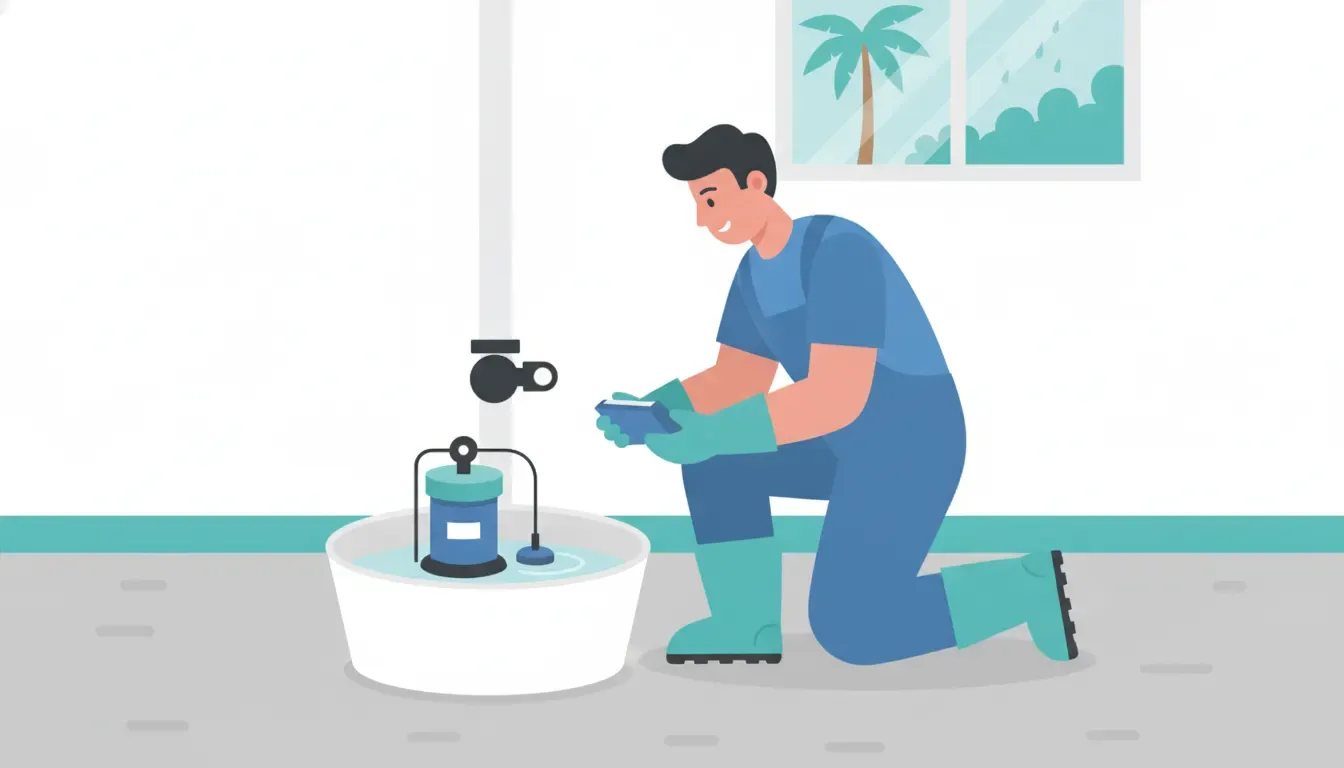
Two common designs are submersible and pedestal pumps. The best choice depends on basin depth, available space, noise concerns, water conditions, and service access.
| Consideration | Submersible pump | Pedestal pump |
|---|---|---|
| Motor location | Motor sits in the basin | Motor sits above the basin |
| Sound | Often quieter because the motor is enclosed | May be more noticeable in a living area |
| Space | Needs a basin with room for the pump | Needs clearance above the basin |
| Access | Requires safe removal for some service | Motor remains easier to reach |
| Best fit | Homes with a covered basin and sufficient depth | Homes with limited basin space or easier motor access |
Horsepower alone does not determine whether a pump will work well. The system must overcome vertical lift, pipe resistance, discharge length, and expected water volume.
A pump that is too small may struggle during a storm. A pump that is too large may cycle poorly or exceed what the discharge system can handle.
Ask the installer to explain the pump selection. The explanation should cover the basin, discharge route, water conditions, and expected backup needs.
Request a plumbing assessment for your Florida home.
What Happens During Sump Pump Installation?
Professional installation normally follows a planned sequence. The exact work varies with the home's structure and drainage conditions.
- Inspect the water source: Identify where water collects and rule out active plumbing leaks.
- Prepare the basin: Select a low point and create a stable, serviceable pit.
- Position the pump: Set the pump upright with the intake clear of debris.
- Connect the discharge: Install a secure route that moves water away from the foundation.
- Add protection: Install a check valve and support the piping as needed.
- Connect power safely: Use an appropriate outlet and follow electrical safety requirements.
- Test the system: Add water, check activation, inspect flow, and confirm the float moves freely.
- Review maintenance: Explain testing, cleaning, backup care, and storm preparation.
Excavation, electrical work, and discharge changes can involve safety and code concerns. Homeowners should not improvise wiring or cut structural surfaces without professional guidance.
A proper final test should confirm that the pump starts, stops, and sends water to the intended discharge location. It should also check for vibration, leaks, unusual noise, and loose connections.
How Can You Protect a Sump Pump During Florida Storms?
Storm preparation starts before the forecast becomes urgent. A short inspection can reveal blocked discharge lines, stuck floats, or a weak backup battery.
- Confirm the pump has power and the outlet is accessible.
- Test the pump with enough water to activate the float.
- Check that the discharge outlet is open and points away from the home.
- Inspect the pipe for loose joints, cracks, or visible blockage.
- Test the battery backup and confirm its charging indicator works.
- Keep the basin cover and surrounding area accessible.
- Do not use an extension cord as a permanent substitute for proper wiring.
For a backup pump, ask how long the battery should last and when it should be replaced. Follow the equipment maker's instructions for charging and storage.
During an active flood or electrical hazard, stay away from standing water near electrical equipment. Contact a qualified professional when the area is unsafe.
How Often Should You Maintain a Sump Pump?
Test the system before Florida's wettest periods and after major storms. Monthly checks can be useful when the pump protects a high-risk area.
Routine maintenance should include these steps:
- Clean the basin: Remove visible debris without damaging the pump or float.
- Test activation: Add water slowly and confirm the pump starts at the expected level.
- Watch discharge: Confirm water leaves the pipe and does not return toward the foundation.
- Listen carefully: Note grinding, rattling, repeated cycling, or unusual vibration.
- Inspect the valve: Check that the check valve and pipe connections remain secure.
- Check backup power: Test the battery, charger, alarm, or secondary pump according to instructions.
Never reach into a basin while the pump is connected to power. Disconnect power safely and follow the manufacturer's service instructions.
Keep a simple maintenance record with test dates, storm observations, battery changes, and professional visits. This record can help identify changes before a failure.
What Are Common Sump Pump Installation Mistakes?
Many sump pump problems begin with planning shortcuts. The following mistakes can reduce reliability or create new water issues.
Using the wrong water source diagnosis
A pump cannot replace a plumbing repair. If a supply line or drain line leaks, identify and repair that problem first.
Discharging too close to the foundation
Water that returns toward the house can keep the drainage problem active. The discharge route should move water away without creating erosion or pooling.
Ignoring backup power
A primary pump may stop when the home loses electricity. Storm planning should address the pump and its power source together.
Blocking service access
A buried or crowded basin is harder to inspect. Keep the pump, float, cover, and discharge connections reachable.
Skipping the first test
A new installation still needs a water test. The installer should confirm activation, flow, stopping, and safe discharge before leaving.
If you notice active water intrusion, a failed pump, or unsafe electrical conditions, use Miranda's 24/7 emergency plumbing services page to find the appropriate next step.
When Should You Call a Professional?
Call a professional when water keeps returning, the pump runs constantly, or the discharge route cannot be confirmed. Professional help is also appropriate before cutting concrete or modifying electrical connections.
Ask for an evaluation when you see foundation moisture, recurring crawlspace water, or damage near plumbing lines. Water leak detection and repair may be more suitable when the source is hidden plumbing.
Miranda Home Services serves homeowners across Florida's Treasure Coast with plumbing repairs, installations, and emergency support. The team can review the available drainage information and explain the next practical step.
A useful estimate should separate the work involved. Ask whether the recommendation includes basin preparation, pump equipment, discharge piping, electrical work, backup protection, testing, and cleanup.
There is no universal sump pump setup for every Florida home. A site-specific assessment helps avoid an underpowered system, an unnecessary excavation, or a discharge route that creates another problem.
Schedule a sump pump installation consultation with Miranda Home Services.
Frequently Asked Questions
How much does sump pump installation cost?
Installation cost depends on the basin, excavation, pump, discharge route, electrical work, and backup equipment. A site assessment is needed for an accurate estimate.
Can I install a sump pump myself?
Some replacement work may look simple, but new installation can involve excavation, electrical connections, drainage design, and discharge rules. A qualified professional should evaluate complex or unsafe conditions.
Do you need a plumber to install a sump pump?
A plumber can help evaluate water sources, basin placement, discharge piping, and related plumbing issues. Electrical work may also require a properly qualified electrical professional.
What are common sump pump installation mistakes?
Common mistakes include poor basin placement, undersized equipment, blocked discharge lines, missing backup power, unsafe wiring, and skipped water testing.
How often should a sump pump be tested?
Test the system before heavy-rain periods and after major storms. Monthly testing can help when the pump protects a high-risk area or runs frequently.
What maintenance does a sump pump need?
Maintenance includes basin cleaning, float testing, discharge inspection, connection checks, noise monitoring, and backup power testing. Follow the equipment manufacturer's instructions.
For additional maintenance context, see North Dakota State University Extension's sump pump checklist and its sump pump planning resources.
Contact Miranda Home Services for help planning your next plumbing project.
Sump pump installation works best when the water source, discharge route, power plan, and maintenance schedule are considered together. A professional review can help Florida homeowners choose a safer, more dependable setup.
Need plumbing or HVAC service on the Treasure Coast?
Contact Miranda Plumbing & Air