
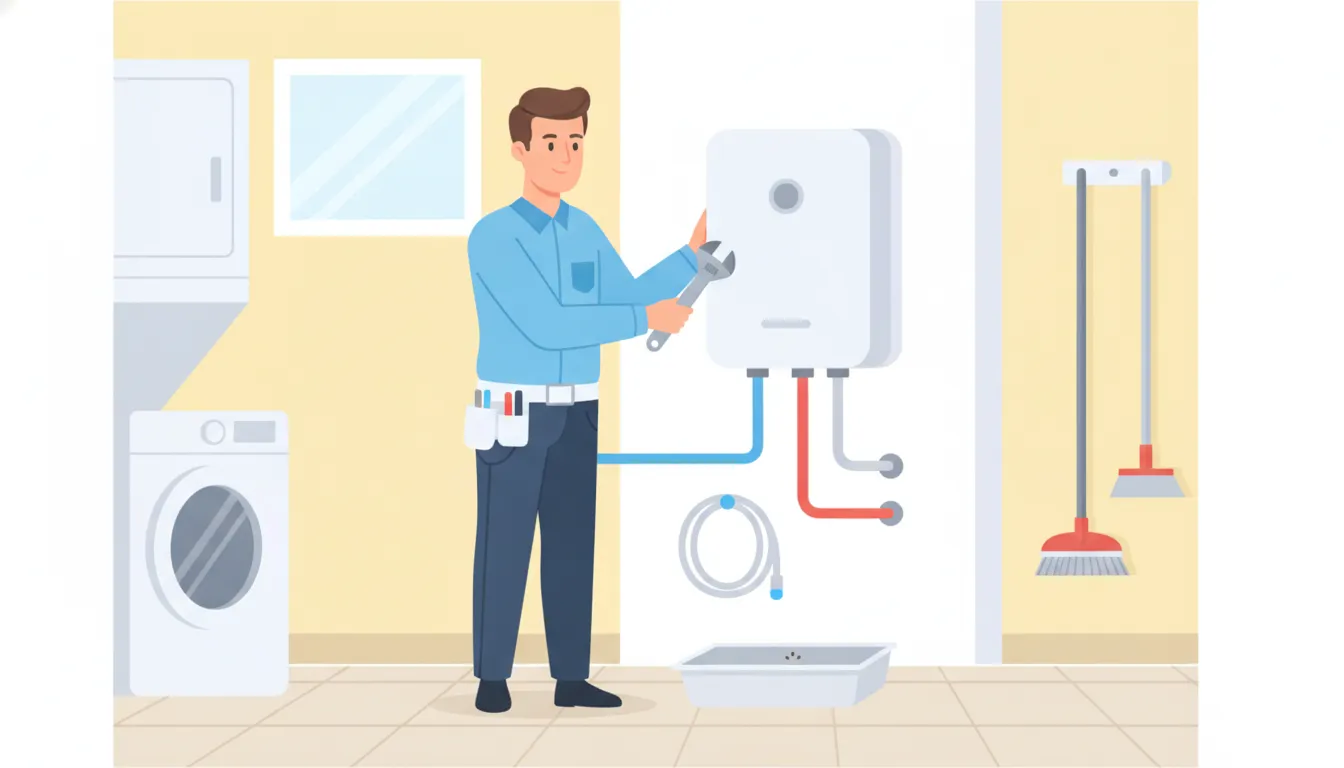
How to Replace a Tankless Water Heater: A Homeowner's Guide
Replacing a tankless water heater is more than taking one box off the wall and putting another in its place. The new unit must match your household's hot water demand, available gas or electrical service, venting, plumbing connections, and local permit requirements. Planning those details first can help prevent unexpected changes, delays, or an undersized system.
To understand how to replace a tankless water heater, start with a professional evaluation, written estimate, permit review, and accurate GPM sizing. The installer should then safely disconnect and remove the old unit, confirm the home's infrastructure, install and vent the replacement, and test its operation. ENERGY STAR notes that tankless systems can last about 20 years with periodic maintenance, so careful installation is a long-term investment.
Schedule a water heater replacement consultation with Miranda Home Services. Before planning the installation, it helps to identify whether your current unit is showing normal age-related wear or signs that replacement should not wait.
When Should You Replace a Tankless Water Heater?
A tankless water heater can provide reliable hot water for many years, but it is not a lifetime appliance. ENERGY STAR reports that certified tankless units have an expected life of about 20 years, provided they receive periodic maintenance. In Florida, mineral-heavy water can make that maintenance especially important. Descaling helps protect the internal components, but an older or heavily scaled unit may eventually cost more to keep repairing than it is worth.
Has the unit reached the end of its service life?
Age alone does not mean you need an immediate replacement. A well-maintained system that is operating normally may continue serving your household near the 20-year mark. However, frequent service calls, declining performance, or repeated parts failures are signs to plan ahead rather than wait for a complete shutdown. If the unit is approaching two decades old and has already needed major repairs, replacement is often the more practical long-term decision.
Are mineral scale and error codes becoming frequent?
Hard water minerals can accumulate inside the heat exchanger and restrict the system's ability to transfer heat efficiently. You may notice inconsistent water temperature, reduced flow, longer waits for hot water, or recurring error codes after descaling. One error code may have a straightforward repair, but codes that return after professional cleaning or component replacement suggest that the underlying equipment is nearing failure. Scheduling professional water heater repair can help determine whether service or replacement makes more sense.
Is the heat exchanger failing or is the unit leaking?
Heat-exchanger damage is a serious warning sign because it is central to the heater's operation. Cracks, corrosion, unusual noises, or an inability to maintain the selected temperature should be evaluated promptly. A tankless system does not carry the same tank-leak risk as a storage water heater, but it can still leak from connections, valves, piping, or failed internal components. Water around the unit, staining, or active dripping should not be ignored. Turn off the water supply if necessary and arrange an inspection before a small plumbing problem damages nearby walls or equipment.
The right replacement decision depends on age, maintenance history, repair frequency, and the condition of the heat exchanger and supporting connections. A qualified evaluation can give you a clear choice between restoring the existing unit and planning a properly sized replacement.
How Much Does It Cost to Replace a Tankless Water Heater?
The cost of replacing a tankless water heater depends on more than the new unit shown on a retail shelf. A realistic budget should account for the equipment, professional labor, any updates needed to your home's gas, venting, or electrical systems, and required permits. The final amount is specific to your home, so treat online pricing as a starting point rather than a promise.
What goes into the replacement estimate?
The unit itself is usually the most visible part of the estimate. Your installer may recommend a model based on household hot water demand, fuel type, efficiency, warranty, and the available installation location. Labor covers safely disconnecting the existing heater, mounting the replacement, connecting water and fuel lines, configuring controls, and testing the system.
Infrastructure can change the scope. A professional should confirm that the existing natural gas line can supply the replacement. Determine how combustion gases will be vented, and check whether electricity is available for a forced-ventilation model. If the current setup is not adequate, gas-line, venting, or electrical modifications may be needed. A permit may also be part of the project when local requirements call for one. Ask whether the installer will obtain it and include the related work in the proposal.
For a clearer comparison, request an in-home assessment and a written estimate that separates the unit, labor, modifications, permit costs, removal, and warranty terms. ENERGY STAR specifically recommends requesting cost estimates in writing. You can compare water heater installation and replacement services, but make sure each estimate covers the same scope before choosing the lowest figure.
Can efficiency offset part of the investment?
Efficiency can reduce operating costs over time, although it does not eliminate the upfront expense. ENERGY STAR reports that a certified tankless heater can save a family of four about $95 per year. Or roughly $1,800 over its lifetime, compared with a standard gas storage model. Compared with a conventional gas tankless model, the estimated savings are about $20 per year, or approximately $300 over the unit's lifetime. Actual savings depend on household usage, utility rates, maintenance, and the equipment selected.
Ask the installer to explain both the immediate project cost and the expected long-term value. That makes it easier to budget for a safe replacement without relying on an incomplete price quote.
Do You Need a Permit to Replace a Tankless Water Heater?
Usually, yes. Replacing a tankless water heater is more than disconnecting one appliance and connecting another. It can be a major system change that affects plumbing, fuel supply, combustion air, venting, electrical service, and how the equipment operates in your home. Because of that scope, local authorities commonly require a permit so the work can be reviewed for code compliance.
The exact requirements depend on the property, replacement model, and local jurisdiction. A straightforward replacement may still require approval, while a fuel-type change or relocation can involve additional permits and inspections. Do not assume approval is unnecessary simply because one tankless unit is replacing another.
When can gas, venting, or electrical work trigger a permit?
Gas-fired units may need changes to the gas line, shutoff arrangement, combustion air, or venting system. A new model may have different manufacturer requirements, even if it appears similar to the old unit. Electric tankless heaters can require substantial electrical capacity, updated wiring, or a different disconnect arrangement. These are safety-related systems, not just finish details.
Venting deserves particular attention. Exhaust must be routed correctly and terminated in an approved location. Improper venting can allow combustion gases to enter the home or cause unsafe operation. Electrical connections also need to match equipment specifications and local requirements. A licensed professional can identify the approvals needed before work begins.
Who handles the permit and inspection?
For a major system replacement, professional handling of permits helps ensure the installation is documented, inspected, and completed in compliance with local code. The installer typically confirms the permit process, submits the required information, schedules the inspection, and addresses any corrections if the inspector requests them. This is one reason to ask for written confirmation of who is responsible for permitting before the job starts.
On Florida's Treasure Coast, a licensed plumbing professional can coordinate the replacement and explain the permit and inspection steps. Miranda's licensed team brings plumbing license CFC1427227 to this work.
How Do You Size a Replacement Tankless Water Heater?
Tankless sizing is based on flow rate, measured in gallons per minute (GPM), rather than the storage capacity of a tank. The right unit must produce enough hot water for the fixtures your household may use at the same time. For example, a morning routine might include a shower, a sink, and a clothes washer. Choosing a unit based only on the number of people in the home can leave you with disappointing water pressure or temperature changes.
Use the fixture estimates below as a starting point. Actual flow can vary by fixture, house pressure, and whether a low-flow aerator or showerhead is installed.
| Fixture | Typical flow rate |
|---|---|
| Shower or bathtub | 2.5 GPM |
| Clothes washer | 3.3 GPM |
| Kitchen or bathroom sink | 2.2 GPM |
| Dishwasher | 1.3 GPM |
To estimate demand, add the GPM for the fixtures likely to operate together. A shower and dishwasher, for instance, represent about 3.8 GPM using these typical figures. A professional should then confirm the optimal GPM for your home and match it to a specific model's temperature-rise and performance requirements. The answer is not always the largest available unit. Oversizing can add unnecessary expense, while undersizing can cause hot water interruptions.
Florida's hard water makes this evaluation especially important. Mineral buildup can affect heat transfer and performance over time, so your plan should include practical maintenance and periodic descaling. Your installer should also check whether the existing gas line can supply the new unit. Whether nearby electrical service is adequate for a forced-vent model, and how combustion gases will be vented. These infrastructure details may determine whether the replacement is straightforward or requires upgrades. ENERGY STAR recommends consulting an experienced plumber for the GPM assessment and these installation checks: review its tankless sizing guidance. For help selecting and installing the right system, explore our tankless installation and replacement services.
What Does the Tankless Replacement Process Involve?
A tankless replacement is more than swapping one box for another. The new unit must match your home's hot water demand and work safely with the existing gas, water, venting, and electrical systems. The process typically follows these steps.
- Evaluate the existing system and size the replacement. The installer begins by reviewing how much hot water your household uses at the same time. That includes estimating the required gallons per minute, or GPM, for showers, sinks, appliances, and other fixtures. The installer also checks whether the existing natural gas line can supply the new unit. How combustion gases will be vented, and whether electrical power is available for a forced-vent model. These checks are recommended by ENERGY STAR because the correct replacement depends on both demand and site conditions. Review ENERGY STAR's installation guidance for more detail.
- Disconnect and drain the old unit. The water and gas supplies are shut off, and the electrical connection is isolated when applicable. The lines are opened in a controlled way so the old heater can drain without creating unnecessary water damage or leaving pressure in the system.
- Remove the old tankless heater from its mounting. Because tankless units are wall-mounted, the installer supports the equipment while disconnecting the water, gas, vent, and electrical connections. The wall and surrounding area can then be checked for damage or corrosion before the new unit goes in.
- Install and connect the new wall-mounted unit. The replacement is secured according to the manufacturer's requirements and connected to the home's water and gas piping. The venting system is installed or adapted so combustion gases are directed safely outdoors. Connections must be compatible with the new model, and the unit should remain accessible for future inspection and maintenance.
- Complete the electrical hookup when required. Many forced-vent models need nearby electrical power to operate their ventilation fans. The installer connects the unit in accordance with the equipment instructions and applicable safety requirements, rather than assuming the old electrical setup is suitable.
- Test for leaks and confirm safe operation. Finally, the installer restores the supplies, checks gas and water connections for leaks, verifies ignition and hot water delivery, and confirms that venting and controls operate correctly. The homeowner should receive basic operating and maintenance guidance before the job is considered complete.
Can You Replace a Tankless Water Heater Yourself, or Hire a Pro?
Some homeowners with strong plumbing experience may be comfortable handling limited portions of a replacement, such as clearing the work area or documenting existing connections. Replacing the unit itself is a different matter. A tankless water heater may involve gas piping, combustion-air requirements, electrical connections, condensate drainage, and specialized venting. A mistake in any of these areas can create a safety concern, damage the equipment, or leave you without reliable hot water.
Gas-line capacity deserves particular attention. An existing line that served a storage heater may not provide enough fuel for a tankless model's higher demand. The installer should also confirm how combustion gases will be vented and whether nearby electrical service can support a forced-ventilation model. ENERGY STAR recommends consulting an experienced plumber for these infrastructure checks: its installation guidance explains the key requirements.
What can go wrong with a DIY replacement?
Even when the new heater appears to fit the old location, hidden costs can surface quickly. An undersized gas line, incompatible vent material, incorrect water connections, or a damaged wall can mean buying additional parts. Paying for emergency corrections, or replacing a unit that was installed improperly. A failed inspection can add delay, and an unpermitted or noncompliant installation may complicate future repairs, insurance questions, or a home sale. Local requirements also vary, so homeowners should not assume that a previous installation provides a safe template.
How does professional installation protect your home?
A licensed professional evaluates the home's demand and existing infrastructure before recommending a model. The installer can coordinate required permits, test the system, verify safe venting, and explain maintenance needs after startup. Before hiring, request a written estimate, ask for references, check the company with the Better Business Bureau, and confirm who will obtain local permits. These are practical screening steps recommended by ENERGY STAR's guidance for tankless installation.
For most households, professional help is the more predictable choice. Miranda's replacement installation team can assess the project before work begins. If the existing system needs attention first, local water heater services can help identify the safest next step.
How to Replace a Tankless Water Heater the Right Way
Replacing a tankless water heater is not simply a matter of disconnecting the old appliance and mounting a new one. The right replacement starts with an in-home assessment, a written estimate, and a clear plan for the home's hot water demand, fuel supply, venting, electrical service, and permits. That preparation helps prevent an undersized unit, unexpected installation changes, and avoidable safety concerns.
Tankless systems are a popular and smart replacement for older storage heaters. According to ENERGY STAR, gas tankless models are becoming increasingly popular as replacements for gas storage water heaters. They can provide hot water on demand, use less utility-room space, and avoid the tank-leak risk associated with a conventional storage tank. Whether the switch makes sense for your home depends on the condition of your current system, your household's demand, and the infrastructure available at the installation site.
Why does professional replacement matter?
Proper sizing is one of the most important parts of the project. An installer should account for the fixtures that may operate at the same time, then select a unit that can meet that demand. The existing gas line may also need to be evaluated because tankless equipment can have significant energy requirements. For a forced-vent model, the installer should confirm that electrical power is available and determine how combustion gases will be vented safely.
Permits and inspections are also part of doing the work correctly when local requirements call for them. A licensed professional can coordinate the applicable permit process, complete the connections to code, test the system, and explain maintenance needs. Florida's hard water makes periodic descaling especially important, so the replacement plan should include practical guidance for protecting the heat exchanger and maintaining dependable performance.
Miranda Home Services serves homeowners throughout Florida's Treasure Coast and brings licensed plumbing and HVAC expertise to the project. Our Florida plumbing license is CFC1427227, and our HVAC license is CAC1815486. We can help you compare replacement options, confirm the installation requirements, and move forward with a solution suited to your home rather than a one-size-fits-all recommendation.
Talk to a licensed Treasure Coast water heater team
Ready to plan your tankless replacement? Talk to Miranda's licensed team today.
Frequently Asked Questions
How often should you replace a tankless water heater?
A well-maintained tankless water heater can last about 20 years, although mineral buildup. Neglected descaling, recurring error codes, leaks, or a failing heat exchanger may make replacement practical sooner. ENERGY STAR notes that periodic maintenance is important for reaching the unit's full life expectancy: ENERGY STAR lifespan and maintenance guidance.
How much does it cost to replace a tankless water heater?
The total depends on the replacement unit, labor, permit needs, venting, gas-line capacity, electrical work, and any repairs needed after the old unit is removed. Because homes differ, request an itemized estimate in writing rather than relying on a generic online price. ENERGY STAR also recommends getting a customized price from an installer: ENERGY STAR installation guidance.
Do you need a permit to replace a tankless water heater?
Often, yes. A major water-heater replacement may require a local permit so the gas, electrical, venting, and plumbing work can be reviewed for code compliance. Permit requirements vary by location and project scope, so ask the installer to confirm the requirements and handle the application when appropriate.
Can you replace your own tankless water heater?
It is usually best left to a qualified professional, especially for a gas model. The installer must verify hot-water demand, size the unit, confirm gas-line capacity, provide safe combustion-gas venting, and test the finished system. Ask for references, written estimates, and confirmation that the company understands local permitting requirements.
How do you choose the right replacement size?
Size the unit for the fixtures that may run at the same time, not simply the number of people in the home. As a starting point, ENERGY STAR lists a shower or bathtub at 2.5 gallons per minute. A clothes washer at 3.3, a sink at 2.2, and a dishwasher at 1.3: ENERGY STAR sizing guidance. A plumber can calculate your actual peak demand.
Ready to Plan Your Tankless Water Heater Replacement?
A careful replacement plan can help you choose the right size, understand the work involved, and avoid surprises during installation. If you are ready to discuss your home's needs, schedule a tankless water heater replacement consultation with the licensed Miranda team. We can help you take the next step with clear guidance and a professional approach tailored to your Treasure Coast home.
Need plumbing or HVAC service on the Treasure Coast?
Contact Miranda Plumbing & Air