
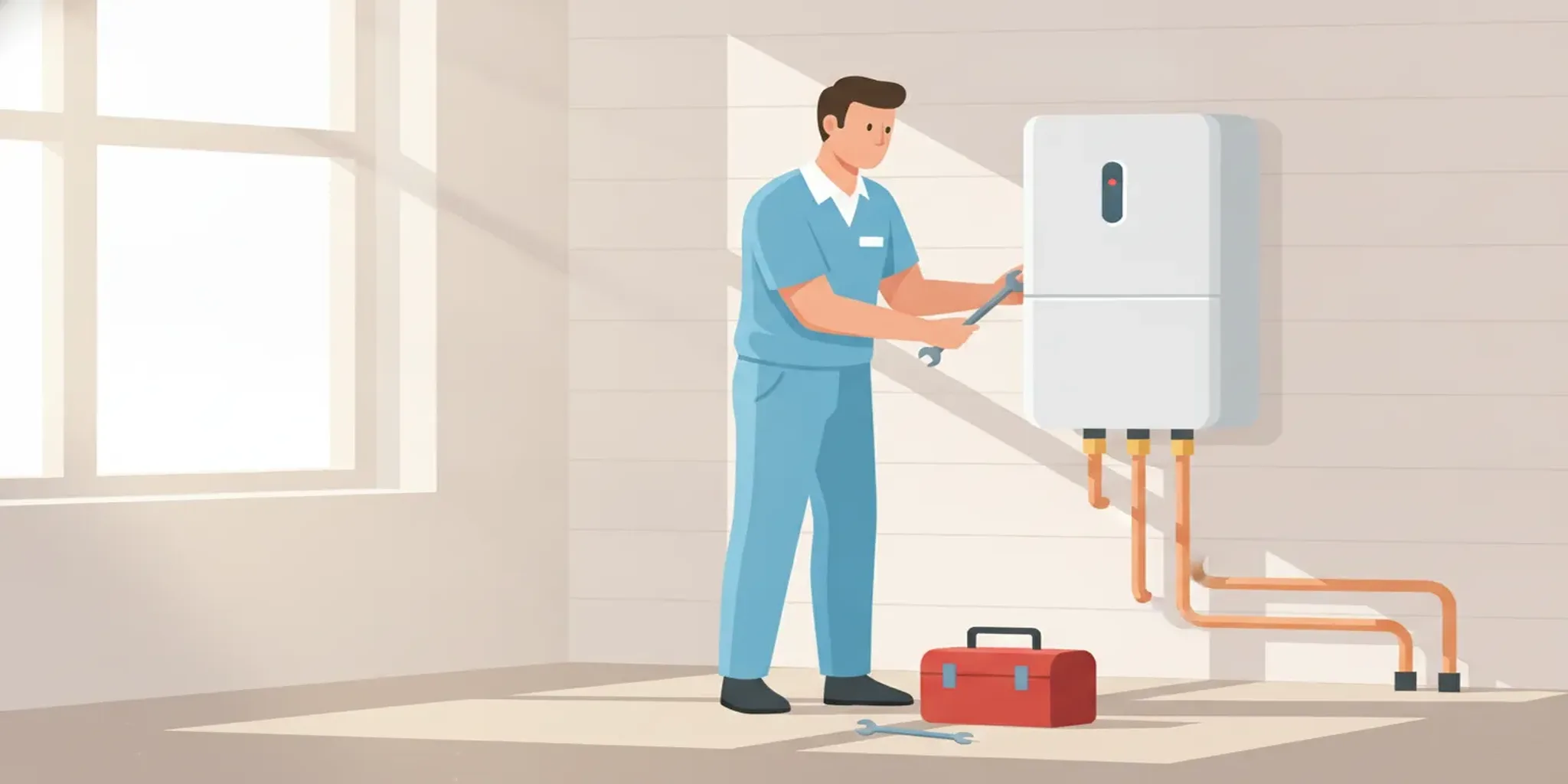
How to Install a Tankless Water Heater: The Complete Guide
Replacing a storage water heater is not simply a matter of removing one appliance and connecting another. In a Florida home, hard water, humidity, salt air, fuel type, venting, electrical capacity, and local permit requirements can all shape the installation. That is why the right choice depends on your existing setup, comfort with plumbing and gas or electrical work, and willingness to manage code and warranty details.
Learning how to install a tankless water heater means more than mounting the unit and connecting water lines. The work may include sizing the heater, upgrading gas or electrical service, installing approved venting, adding condensate drainage for some gas models, testing connections, and completing required permits. A licensed professional can verify each step and account for Treasure Coast water conditions before the system is turned on.
Book an appointment with Miranda Plumbing & Air for a clear recommendation based on your home. First, it helps to understand what the installation involves from the initial assessment through final testing.
How Does a Tankless Water Heater Installation Work?
A tankless water heater does not store and continually reheat a large volume of water. When a hot-water tap opens, the unit detects the flow and activates its heating system. Water passes through a heat exchanger, warms as it moves through the unit, and then travels to the fixture. Because the system heats water only when needed, it avoids the standby energy loss associated with keeping a storage tank hot. ENERGY STAR explains how on-demand heating works.
Installation is the process of matching that on-demand system to your home's water, fuel, electrical, drainage, and venting requirements. A licensed plumber first evaluates the existing setup rather than simply swapping one box for another. That assessment helps determine whether the location, connections, and capacity are appropriate for the new unit.
For homeowners, the work commonly includes:
- Choosing a tankless model and fuel type that can meet the home's peak hot-water demand.
- Preparing the water and fuel connections, with electrical service arranged as required by the equipment.
- Installing the unit securely in an approved location with proper clearances.
- Connecting the vent, condensate drain, water lines, and required safety components.
- Testing flow, temperature, ignition, drainage, and operation at several fixtures.
Gas equipment requires particular attention to combustion and exhaust. A condensing gas tankless water heater uses a secondary heat exchanger to capture more heat from combustion gases. That process creates condensation, so the installation requires approved PVC venting and a condensate drain. These components must be routed correctly so exhaust leaves the home safely and condensate drains without damaging surrounding materials. ENERGY STAR's technical overview describes these requirements.
The final setup should also account for the home's water quality and maintenance needs. Mineral buildup can affect heat transfer and flow over time, particularly in areas with hard water. The installer may recommend service intervals or water heater repair services based on the home's conditions. Proper installation and ongoing care support the longer service life associated with tankless equipment. ENERGY STAR lists a life expectancy of about 20 years for tankless water heaters, longer than conventional tank-style models.
If you are comparing equipment or replacing an aging unit, a professional water heater installation service can evaluate the existing connections and explain which installation approach fits your home.
Can You Install a Tankless Water Heater Yourself?
A handy homeowner may be able to handle some of the preparation for a tankless water heater project. Especially when replacing an existing electric unit with a compatible model. The complete installation is more involved than mounting the appliance and connecting a few pipes, though. Your decision depends on the fuel type, available electrical capacity, venting, gas supply, local permit requirements, and the condition of the home's plumbing.
Gas models deserve particular care. A conventional gas storage tank may use roughly 30,000 BTU per hour, while a gas tankless unit can require approximately 90,000 to 130,000 BTU per hour. That difference can exceed what an existing 1/2-inch gas line can safely deliver. Some installations need an appropriately sized line, potentially up to 1 inch, along with correctly configured shutoff equipment and combustion-air provisions. A line that appears to fit is not proof that it can support the appliance.
Venting is another important distinction. Condensing gas tankless heaters use a secondary heat exchanger and typically require approved PVC venting and a condensate drain. The vent route, terminations, clearances, slope, and drainage all need to match the manufacturer's instructions and applicable code. An incorrect connection can create performance problems and introduce serious safety concerns.
What permits and codes apply?
Water heater installation commonly requires a permit and must comply with the International Residential Code and International Plumbing Code. As reflected in published water heater installation guidance from local building authorities. Florida jurisdictions may also apply local amendments and inspection requirements. Pulling a permit is not just paperwork. It creates an opportunity to verify that the installation, gas work, electrical connections, seismic or restraint measures, and discharge piping are acceptable for the home.
There are also practical warranty considerations. Improper DIY installation can contribute to code violations, unsafe venting or gas connections, and a manufacturer warranty dispute. Hard water in parts of the Treasure Coast adds another variable, since mineral buildup can affect efficiency and maintenance needs. A new unit should be sized and configured with the home's water quality in mind, not treated as a simple one-for-one appliance swap.
If you have experience with plumbing, gas, electrical, and permitting requirements, you can research the manufacturer's installation instructions before deciding. For most homeowners, having a licensed professional confirm the gas capacity, venting, water connections, and startup settings is the more dependable approach. Miranda can evaluate the project and explain the options through its professional water heater installation service, without assuming that every home needs the same upgrade.
How to Install a Tankless Water Heater the Right Way
Learning how to install a tankless water heater can help you understand the work involved, but this is not a simple appliance swap. Gas, electrical, water, venting, drainage, and permitting requirements all have to align. A licensed plumber should evaluate the existing setup before anyone removes the old unit.
The exact sequence varies by fuel type and model. A condensing gas unit, for example, uses a secondary heat exchanger and requires specialized PVC venting and a condensate drain, according to ENERGY STAR. A typical professional installation may take about two to four hours, but upgrades to the gas supply, venting, electrical circuit, or drain can add time.
- Shut off the energy and water supplies. The installer turns off the gas or electrical service, closes the water valves, and opens a hot-water faucet to relieve pressure. Gas work and electrical work should be handled by qualified professionals. The work area is checked for safe access before the existing heater is disturbed.
- Disconnect and remove the old water heater. The water lines, gas connection or wiring, vent, relief-valve piping, and drain connections are disconnected according to the unit type. Any remaining water is drained before the old heater is removed. The installer then checks the wall, floor, piping, and service clearances for damage or conditions that need correction.
- Confirm capacity, gas supply, and venting. Tankless gas heaters commonly demand far more input than storage tanks. Home Depot notes that a traditional gas tank may use about 30,000 BTU per hour, while a tankless model may require 90,000 to 130,000 BTU per hour. That difference can require a gas-line upgrade, sometimes from 1/2-inch to 1-inch piping. The vent route and materials must match the manufacturer's instructions and applicable code. For a condensing model, that includes approved PVC venting and a condensate drain. ENERGY STAR explains these requirements in its tankless heater guide.
- Mount the unit securely. The installer locates the wall bracket or mounting points, confirms required clearances, and secures the heater to a suitable surface. The unit must remain accessible for service and should be positioned so venting, water lines, gas, wiring, and drainage can be connected without unsafe bends or unsupported runs.
- Connect water, energy, relief, and condensate lines. Hot and cold water connections are installed with the manufacturer's required isolation valves and fittings. The gas connection or electrical circuit is completed, and a temperature and pressure relief valve is installed with discharge piping where required. Condensing units also need a properly routed condensate drain. In areas with hard water, the installer may recommend filtration or scale control to protect efficiency and service life.
- Obtain the required approval and test the system. Water-heater installation commonly requires a permit and must comply with the International Plumbing Code and International Residential Code. The installer checks for gas or water leaks, verifies vent termination, confirms drainage, tests ignition or electrical operation, and adjusts temperature settings. Hot-water flow and safe operation should be verified at the fixtures before the job is considered complete.
Because an incorrect connection can create a leak, combustion hazard, electrical problem, warranty issue, or code violation, professional installation is strongly recommended. Contact Miranda Plumbing & Air to schedule a licensed tankless water heater installation.
What Does Tankless Water Heater Installation Cost?
The cost depends on more than the tankless unit itself. Equipment prices can range from a few hundred dollars for a basic point-of-use model to several thousand dollars for a whole-home, high-capacity system. Capacity, fuel type, efficiency rating, brand, and warranty all affect the number. Because every home has different connections and code requirements, a firm online price would be misleading. A professional evaluation and a Straightforward Pricing Guide give you a more useful estimate for your property.
Labor is another part of the investment. The Home Depot installation guide lists approximately two to four hours for a standard professional installation, but that timeframe can change when the existing setup needs upgrades. A gas tank may use about 30,000 BTU per hour, while a tankless gas unit may require 90,000 to 130,000 BTU per hour. If the current gas line is undersized, the project may require an upgrade from a 1/2-inch line to a 1-inch line. That additional work can materially change the total.
What extra installation costs should you plan for?
- Gas line work: A qualified plumber may need to resize or extend the gas supply so the new heater receives the required fuel safely.
- Venting: Gas models need venting that matches the equipment. Condensing models typically require specialized PVC venting.
- Condensate drainage: A condensing unit produces condensate and may need a properly routed drain.
- Permits and code work: Water heater installation commonly requires a permit and must meet applicable plumbing and residential codes.
- Electrical and water connections: New shutoff valves, wiring, isolation valves, or piping changes may be needed depending on the existing installation.
The return on that investment also depends on how your household uses hot water. A.O. Smith research cited in the installation research indicates on-demand units may be 24% to 34% more efficient in low-use homes and provide savings of about 8% to 14% in high-use homes. A tankless system can also have a longer service life than a conventional tank, while your existing water heater may already be approaching its typical 8-to-12-year lifecycle.
For a realistic recommendation, have the home, gas capacity, vent route, water quality, and permit requirements reviewed together. Miranda can explain the options and provide a quote through our professional water heater installation service, without asking you to guess at hidden project costs.
DIY vs. Professional Installation: Which Is Right for You?
Installing a tankless water heater is more involved than mounting a new appliance and connecting a few pipes. The right choice depends on your experience, the type of unit, and the condition of your home's plumbing, gas, electrical, and venting systems. A DIY approach may seem appealing for a confident homeowner, but Florida code requirements and local water conditions make professional planning especially valuable.
| Consideration | DIY installation | Professional installation |
|---|---|---|
| Skill level | Requires plumbing knowledge plus the ability to evaluate gas, electrical, water, and venting requirements. | A licensed plumber can size the equipment, inspect connections, and coordinate the full installation. |
| Gas and venting safety | Errors can create unsafe combustion, exhaust, or gas-leak conditions. Condensing gas models may require specialized PVC venting and a condensate drain. | The installer verifies fuel supply, venting, combustion-air needs, drainage, and safety controls before commissioning the unit. |
| Permits and code | You are responsible for identifying permit requirements and meeting applicable plumbing and residential codes. | The work is planned around permit requirements and the applicable International Plumbing Code and International Residential Code. |
| Warranty protection | Improper installation may cause code problems and can put manufacturer warranty coverage at risk. | Professional installation supports warranty validation when completed according to manufacturer instructions. |
| Time | Research, unexpected repairs, inspections, and rework can extend the project well beyond a single day. | Home Depot estimates professional installation may take about 2 to 4 hours when the site is ready. |
| Florida water conditions | Hard-water scale and mineral buildup may be overlooked, reducing efficiency and increasing maintenance needs. | A professional can account for Treasure Coast hard water, corrosion risks, filtration, and maintenance recommendations. |
| Long-term reliability | Small sizing, venting, or water-quality mistakes can lead to inconsistent performance and premature service calls. | Proper sizing, startup, testing, and maintenance guidance help the system perform reliably over its service life. |
Before choosing DIY, remember that a water-heater installation generally requires a permit and must comply with plumbing and residential code requirements, as outlined in water-heater installation guidance. Gas tankless systems also demand careful attention to combustion and venting. In Port St. Lucie and other Treasure Coast communities, mineral buildup and pipe corrosion add another layer to the decision.
For most Florida homeowners, hiring a licensed professional is the practical path to a safe, code-compliant result. Miranda Plumbing & Air can evaluate your home and provide a clear recommendation through its professional water heater installation service.
Why Hire a Licensed Florida Plumber on the Treasure Coast?
A tankless water heater can deliver efficient, on-demand hot water, but its long-term performance depends on more than selecting the right unit. Installation and maintenance should account for the conditions around your home, including Port St. Lucie's hard water, mineral buildup, pipe corrosion risks, salt air, and high humidity. A licensed local plumber can evaluate those factors before recommending equipment or connecting the system.
Hard water is especially important for tankless systems because minerals can accumulate inside the heat exchanger and restrict water flow. That buildup may reduce efficiency and increase the need for service. Corrosion risks in the plumbing system can also affect connections and components over time. A professional can inspect the existing pipes, confirm water-flow requirements, and recommend maintenance or water-treatment steps that support dependable operation.
What does a licensed plumber bring to the installation?
Tankless installation involves several connected systems. Depending on the model, the work may include water and gas connections, electrical service, venting, condensate drainage, shutoff controls, and code-required safety components. A licensed plumber knows how to coordinate those details and identify when another trade or permit requirement is involved. That matters in Florida homes where an installation must perform reliably through heat, humidity, and seasonal weather changes.
Miranda Plumbing & Air brings credentials that support this kind of project, including Florida plumbing license CFC1427227 and HVAC license CAC1815486. As a Ruud Pro Partner with 46 years of local Treasure Coast experience, the team understands both plumbing installation and the regional conditions that influence equipment care. The goal is not simply to get hot water running. It is to provide a correctly sized, properly connected system that is easier to maintain and safer to operate.
How can professional maintenance extend useful performance?
Traditional water heaters commonly have an 8- to 12-year lifecycle, and failures often become more common as systems reach that range. Tankless equipment may last longer when it receives appropriate care, but it is not maintenance-free. Periodic inspection and cleaning can help address mineral accumulation before it interferes with the heat exchanger or flow. A professional can also check connections, venting, drainage, and system operation during service.
If you are comparing options or planning a replacement, review Miranda's professional water heater installation service and ask for recommendations based on your home's water quality, fuel source, household demand, and maintenance needs. Miranda also provides 24/7 emergency service when a water-heating problem cannot wait for regular business hours.
Contact Miranda Plumbing & Air to book your tankless water heater installation. A licensed local plumber can confirm your home is ready and provide a clear, written estimate before any work begins.
Frequently Asked Questions
Can I install a tankless water heater on my own?
It is possible for an experienced homeowner to handle limited preparation, but a complete installation is usually best left to a licensed professional. Gas models may require fuel-line changes, specialized venting, condensate drainage, and electrical connections. Florida permitting and local code requirements also need to be addressed. An improper installation can create safety problems, violate code, or affect the manufacturer's warranty.
How much does it typically cost to install a tankless water heater?
There is no reliable single price because the total depends on the heater type, capacity, fuel source, venting, electrical work, gas-line upgrades, water-line changes, permits, and site access. The most accurate approach is an in-home assessment and a written quote that separates equipment from installation. Ask whether startup, code-related work, and removal of the old heater are included.
Why are plumbers against tankless water heaters?
Most plumbers are not against the technology. Tankless systems can heat water only when needed, which avoids standby energy loss, according to ENERGY STAR. The concern is choosing the wrong size, fuel setup, or maintenance plan. A professional should confirm demand, water quality, venting, and available utility capacity before recommending a model.
What are the downsides of having a tankless water heater?
Tankless units can have higher installation complexity and may need substantial electrical or gas capacity. They also require periodic maintenance, especially where hard water causes mineral buildup. In Florida, water quality and salt-air conditions deserve attention when selecting the location and service plan. With proper sizing, installation, and maintenance, a tankless system can provide long-term on-demand hot water. ENERGY STAR lists an expected life of about 20 years for tankless water heaters: see its guidance.
Ready to Schedule Your Tankless Water Heater Installation?
A properly planned installation can help your new system fit your home's energy needs, plumbing layout, and Florida conditions. If you prefer professional guidance over navigating the work alone, book an appointment with Miranda Plumbing & Air. Schedule your tankless water heater installation and talk with a licensed Florida plumber about the right next step.
Need plumbing or HVAC service on the Treasure Coast?
Contact Miranda Plumbing & Air