
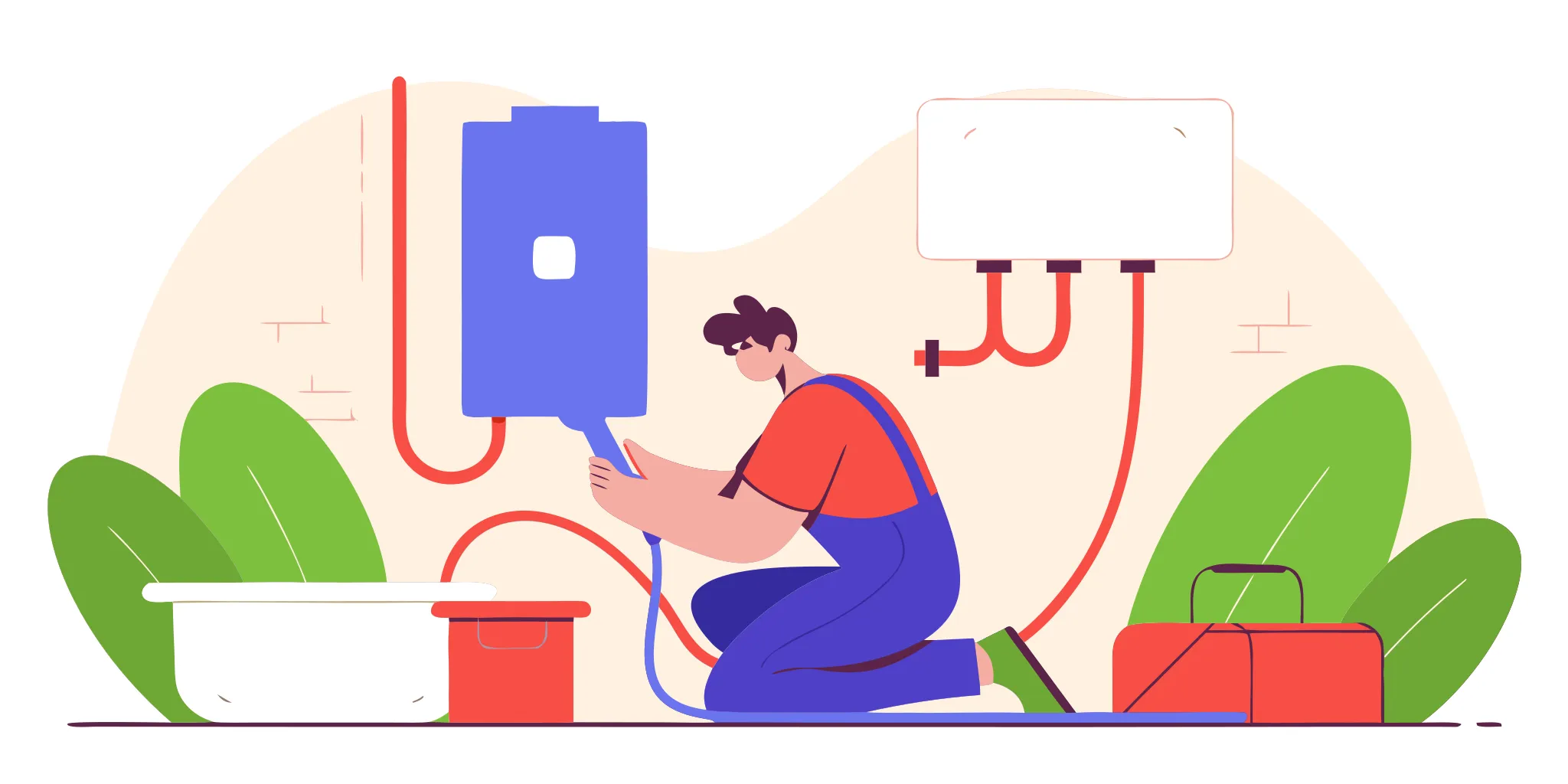
How to Clean Tankless Water Heater (Step by Step)
Treasure Coast tap water carries heavy minerals that slowly build up inside your water heater. This mineral scale acts like a barrier on the heating elements, forcing the unit to work harder. Regular flushing clears these deposits and keeps your system running like new for decades.
Book an Appointment for a Professional Tankless Water Heater Flush
Learning how to clean tankless water heater systems is a critical yearly maintenance chore that involves pumping four gallons of undiluted white vinegar directly through the heat exchanger. Before starting this routine project, shut off the gas, power, and water lines, then connect standard hoses from a submersible pump to your cold and hot service ports. Next, run the submersible utility pump for forty five minutes to dissolve mineral scale buildup inside the unit, and then flush the lines completely using clean, fresh water. According to plumbing experts at Rinnai, performing this quick yearly wash is essential to keep your system highly efficient, lower your monthly power bills, and protect your warranty.
You might wonder why this routine chore is so important for your Florida home. Knowing the facts about Why Cleaning a Tankless Water Heater Matters helps you keep your utility bills low. To see why this yearly task is so critical, the path begins with
Why Cleaning a Tankless Water Heater Matters
Tankless water heaters are common because they give hot water on demand. But these systems need regular care to work well. For homeowners on the Treasure Coast, keeping these units clean is vital. Learning why maintenance matters will help you save money and stress.
Mineral Buildup and Heat Exchanger Damage
The main threat to your tankless water heater is hard water. Florida's Treasure Coast has some of the hardest water in the country. Water hardness is based on the level of minerals. When the unit heats water, these minerals form a thick, rocky crust called scale.
This scale buildup acts like a blanket that blocks heat from reaching the water. As a result, the burner must run hotter and work much longer. This extra strain leads to higher power bills and can cause the system to break. If you are planning a new tankless water heater installation, you should think about Florida's hard water before you start.
As the heat exchanger works under this heavy stress, the metal can get too hot and crack. A cracked heat exchanger is a major failure that often means you have to buy a new system. Regular cleaning washes away the mineral deposits before they can cause this damage. It is a simple way to protect the heart of your water heater.
Water Safety and Temperature Risks
Scale buildup inside the unit can also restrict water flow. When flow rates drop, water can sit stagnant or move very slowly. According to the Centers for Disease Control and Prevention, stagnant water can drop into the range of 77 to 113 degrees Fahrenheit. This range allows Legionella bacteria to grow, so keeping your system clean is needed to ensure safe water.
When water flow is slow, the heating sensors may also fail to read the water heat correctly. This can cause sudden drops or spikes in the hot water reaching your taps. Safe, clean water requires steady flow and stable, high temperatures. Regular maintenance prevents these flow issues and keeps your home's hot water safe and reliable.
System Lifespan and Energy Efficiency
A tankless water heater is a major purchase for any homeowner. These systems are known for their high energy efficiency and long life. According to ENERGY STAR, most tankless units can last for more than 20 years with proper care. Regular descaling protects the internal parts from early wear and helps your system last.
When scale builds up, the system must work harder to heat water. This extra work wears out key parts like the heat exchanger and uses more energy. By flushing the unit, you restore its original efficiency. This simple step helps your system last for decades and saves you money.
How Often Should You Clean a Tankless Water Heater?
Leading brands suggest that you clean your system at least once a year to clear out mineral buildup. For example, Rinnai's standard guidelines suggest a clean at least once a year. This routine care helps protect the inner parts. But the best timing for your home depends on your water quality.
Standard Guidelines for Homeowners
Most makers of high-end systems say a yearly flush is the standard. This timeframe works well for homes with average water. It keeps the heating elements clear so water flows freely. Routine flushing also keeps your system warranty in good standing. If you skip this care, scale can block the heat exchanger and reduce heat output. Following the manual is a great starting point when learning how to clean tankless water heater systems.
The Impact of Florida Hard Water
Florida's Treasure Coast is known for very hard water. This water contains high levels of dissolved calcium and magnesium. As shown by the United States Geological Survey, water hardness is a measure of calcium and magnesium in your water. When these minerals get hot, they form a hard scale. This scale builds up fast inside your tankless unit. Because of this local challenge, experts suggest flushing your system every six to nine months to prevent damage.
Why a Stricter Schedule Saves Money
Sticking to a strict cleaning routine saves you money on power bills and repairs. Scale acts like an extra blanket over the heating elements. It blocks heat, so the unit must run longer and use more power to heat your water. If you do not clean it, the system can overheat and fail. Getting regular professional water heater maintenance keeps your energy bills low and prevents sudden breakdowns. Over time, these savings easily cover the small cost of routine service.
A clean tankless unit can last for more than two decades. In fact, most units can last for more than 20 years when they get routine care. You can read about these lifespans on the ENERGY STAR website. If you live in St. Lucie or Martin County, setting a calendar reminder is a great way to stay on track. If your system is already old or damaged, a new tankless water heater installation can restore your home's hot water. This simple step protects your investment and ensures you always have warm water.
What You Need to Clean a Tankless Water Heater
If you want to know how to clean tankless water heater units, you must first gather the right tools. Proper care keeps your system running well for a long time. The federal Energy Star program shows that these units can last over 20 years with regular care. Getting the right gear ready before you start makes the job quick and prevents surprise trips to the store.
Essential descaling tools
You will need a few simple tools to flush out the mineral buildup in your system. This gear helps you pump the cleaning fluid through the lines. Most of these items can be found at a local hardware store. Here is the list of tools you need to gather:
- A five-gallon bucket: You need a large, clean plastic bucket to hold your cleaning liquid and catch the water.
- A submersible pump: A small water pump is needed to force the liquid through the heater's heat exchanger.
- Water hoses: You need two short hoses with female fittings on both ends to link the pump, heater, and bucket.
- Isolator valves: Your system must have these valves installed to let you shut off the house water and flush the unit.
If your system does not have these valves, you cannot flush it yourself. You will need a pro to install them first. You can book professional water heater maintenance to get your system ready for regular flushing.
The cleaning solution
The liquid you use is what truly breaks down the scale buildup. Minerals from hard water stick to the inside of your heater over time. This is a big problem on the Treasure Coast of Florida, where hard water is very common and scale builds up fast.
You can use four gallons of undiluted white vinegar to clean your tankless water heater. This is a safe, cheap choice that works well for most homes. The cleaning process can take up to 45 minutes of pumping time to clear out the scale. For heavy scale, pros use a strong commercial descaler instead, but never use harsh fluids that could ruin your drinking water.
How to Clean a Tankless Water Heater (Step by Step)
Knowing how to clean tankless water heater systems is a key part of home care. Because Florida has hard water, mineral scale can build up fast inside your system. Regular flushing keeps scale from blocking the heat exchanger. This simple task helps your heater work well and last for many years. In fact, a clean unit can last for more than 20 years, as noted by the ENERGY STAR program. If you do not want to do this yourself, you can book professional water heater maintenance with our team. Our local experts can inspect your system and perform a complete flush to restore your hot water flow.
Tools and setup
You need a few basic tools before you start. Gather a five-gallon bucket, two water hoses, and a small submersible pump. You also need a descaling solution to clear out the calcium and lime. Most brands suggest using four gallons of undiluted white vinegar to flush the system. Place all of these items near your water heater before starting. Make sure you have enough space to work before you turn off any valves. Having your tools ready makes the job run much faster.
Step-by-step flushing guide
Cleaning your tankless system is a simple process if you follow the right steps. The entire process takes about 45 minutes to circulate the cleaning liquid. Follow these six steps to clear out scale and keep your hot water flowing. Take your time with each part of the process to ensure a safe and thorough flush.
- Shut off the system. Turn off the electric power switch or close the gas valve. Then, close the main cold and hot water valves to isolate the heater.
- Connect the hoses. Attach one hose to the cold water service port and connect the other side to your pump outlet. Place the pump inside your empty bucket.
- Prepare the solution. Connect your second hose to the hot water service port and place the free end in the bucket. Pour four gallons of undiluted white vinegar into the bucket.
- Circulate the vinegar. Plug in the pump and turn it on to start the flow. Let the vinegar circulate through the heater for up to 45 minutes to clear out mineral scale.
- Rinse the heater. Turn off the pump and dump the dirty vinegar. Fill the bucket with clean water and run it through the system to rinse away any left-over acid.
- Restore water flow. Remove the hoses and close the service ports. Open your main water valves slowly, turn on the power or gas, and test the faucet flow.
Testing your system
Once you finish cleaning, run a hot water faucet to bleed any trapped air. Check the unit carefully for any water leaks around the service valves. A clean heat exchanger helps the system run well without wasting extra power. If you hear strange noises or see an error code, turn off the water and call an expert. Regular maintenance keeps your system running well and your monthly power bills low. A quick test ensures you have hot water when you need it.
Vinegar vs. a Commercial Descaling Solution
When you learn how to clean tankless water heater units, you must pick the right fluid. White vinegar and commercial descaling liquids are the two main choices. Each option works well based on the amount of scale in your system. For most homes, white vinegar is the best daily choice, but some cases need a stronger acid to do the job.
Why use white vinegar
White vinegar is cheap, safe, and works great for routine upkeep. Based on guides from Noritz, flushing involves pumping pure white vinegar through the heat exchanger (Noritz Support). You can use a small submersible pump to move the liquid. Because vinegar is mild, it will not hurt your copper pipes. It is the best choice if you flush your system each year to clean out hard water minerals. In Port St. Lucie, local well water is full of lime, so regular flushes are a must.
When to choose commercial solutions
Commercial descaling products offer a much stronger path. These fluids dissolve heavy lime and rust scale much faster than vinegar. If you have skipped care for three or four years, a commercial descaler can clear thick mineral rock that vinegar cannot budge. However, these acids are strong and you must handle them with care. If you do not want to use harsh liquids, booking professional water heater maintenance is your best bet. A local plumber can flush your system safely without risk to your home or your warranty.
How the solutions compare
Choosing between vinegar and a commercial descaler depends on how long it has been since your last flush. Vinegar is ideal for homeowners who keep up with yearly chores. Commercial solutions are better when a system has been ignored and has heavy scale. Both liquids will get the job done, but they work in different ways.
This simple table compares white vinegar and commercial descalers to help you pick the best tool for the job.
| Liquid Type | Cost | Strength | Time | Best For |
|---|---|---|---|---|
| White Vinegar | Very cheap | Mild | 45 minutes | Routine yearly care |
| Commercial Descaler | Moderate | Strong | 20 to 30 minutes | Heavy scale buildup |
Knowing how to clean tankless water heater units means matching the liquid to the scale. While white vinegar is safe and cheap, severe hard water buildup needs the power of a commercial descaler. Keeping up with this simple task will keep your water hot and your energy bills low.
Signs Your Tankless Water Heater Needs Cleaning
Your tankless water heater works hard to give you hot water on demand. With proper care, a tankless unit can last more than 20 years, as noted by Energy Star. But hard water on the Florida Treasure Coast can cause lime scale to build up inside the heat exchanger. This scale blocks heat and restricts water flow. When this happens, your system will show clear signs that it is time for a thorough cleaning. Skipping this simple upkeep chore can hurt your system's health and raise your power bills.
Drop in Water Pressure
Have you noticed that your hot water does not flow as fast as it used to? Lime scale can coat the narrow water lines inside your heating unit. This scale acts like a clog, which narrows the path for water to flow. If your cold water has great pressure but your hot water feels weak, scale is likely the cause. Cleaning the system will clear the block and bring back your strong water flow. Over time, this narrow path puts extra strain on your pipes and plumbing valves.
Water Not Hot Enough
Your tankless water heater should give you steady hot water. If the water takes too long to get warm, or if it stays lukewarm, scale may be the issue. A thick layer of lime on the heat exchanger blocks the heat from reaching the water. The unit must work much harder and run longer to heat the water to the right level. This can lead to cold spots during your morning shower. You might even notice the water cycle from hot to cold while you wash.
System Error Codes
Modern tankless units have built-in systems to track their own health. When scale buildup gets too thick, the unit will struggle to heat or vent safely. It will then display an error code on its screen to warn you of a problem. If you see these codes or feel unsure about doing a DIY flush, it is best to call for expert help. You can book professional water heater repair services to safely clean and service your system. An expert can test your water flow and clean the heat exchanger without risking your warranty.
When to Call a Professional in Florida
You can learn how to clean tankless water heater units on your own. But some jobs are best left to a pro plumber. Getting expert help saves you time and keeps you safe. It also protects your home from water damage.
Gas and Electric Safety
To flush your system, you must shut off the gas or power line first. You must also turn off the main water valves. A small mistake can lead to gas leaks, power shocks, or flooded rooms. If you are not sure how to turn off these lines, call a local plumber. Pro plumbing teams have the right tools to work safely with gas and high-voltage power.
Warranty Rules and Heavy Scale
Many brands need you to show pro service records to keep your warranty good. If you clean the unit yourself and damage a part, the maker may not pay for it. Also, if you have not cleaned your unit in years, the mineral scale might be too thick. A DIY flush can push loose scale chunks deep into the system and block water flow. Pro plumbers can clear heavy scale without hurting the heat exchanger.
With proper care, a tankless unit can last a very long time. You can find this on the Energy Star water heater guidelines page. It shows that a good system can last for more than 20 years. But if your unit is already too old or broken, we can help you choose a new water heater installation.
Treasure Coast Plumbers
Miranda Home Services has served Florida homeowners on the Treasure Coast since 1981. We are licensed under CFC1427227 for plumbing and CAC1815486 for HVAC. Our team is fully insured and we are Ruud Pro Partners. We offer a Straightforward Pricing Guide with upfront written quotes, so you never face hidden fees. We also have GreenSky financing options for any big repairs. Our team is ready 24/7 for emergency help in Port St. Lucie, Stuart, Vero Beach, and nearby cities.
Book an Appointment for Your Professional Flushing and Descaling Service
Frequently Asked Questions
Can you clean a tankless water heater yourself?
Yes, you can clean a tankless water heater yourself if you feel safe turning off the power, gas, and water lines. The process involves using a small pump to circulate a cleaning mix through the unit. However, if you are not sure how to handle the valves or the pump, it is best to call a licensed plumber.
How often should a tankless water heater be cleaned?
Most brands recommend that you clean your system at least once a year. According to the manufacturer Rinnai, flushing mineral deposits once a year keeps the unit working well. Since Florida's Treasure Coast has hard water, you should clean it every six to nine months to prevent scale.
Can I use vinegar to descale my tankless water heater?
Yes, white vinegar is an excellent and cheap tool to clear mineral buildup. For example, the guidelines from Noritz show that you can descale the heater by pumping pure white vinegar through the heat exchanger. You should use about four gallons of undiluted vinegar and let it run for up to forty-five minutes to dissolve the scale.
What happens if you do not flush a tankless water heater?
If you do not flush your unit, calcium and other minerals from hard water will build up inside. This scale blocks the heat exchanger and makes the system work much harder to heat your water, which lowers its energy efficiency. Over time, this buildup can damage the unit, cause error codes, and lead to early system failure and high repair costs.
Book a Professional Tankless Water Heater Cleaning
Ignoring hard water scale buildup in your Florida tankless system can cause costly repairs and sudden, frustrating cold showers when you least expect them. Mineral deposits coat the heating parts over time, forcing your system to work twice as hard, consume extra energy, and drive up your monthly power bills. Booking a professional descaling flush today protects your system warranty, lowers your utility costs, and ensures your family has reliable hot water on demand.
Book an Appointment for Professional Cleaning and Maintenance Today
Need plumbing or HVAC service on the Treasure Coast?
Contact Miranda Plumbing & Air