
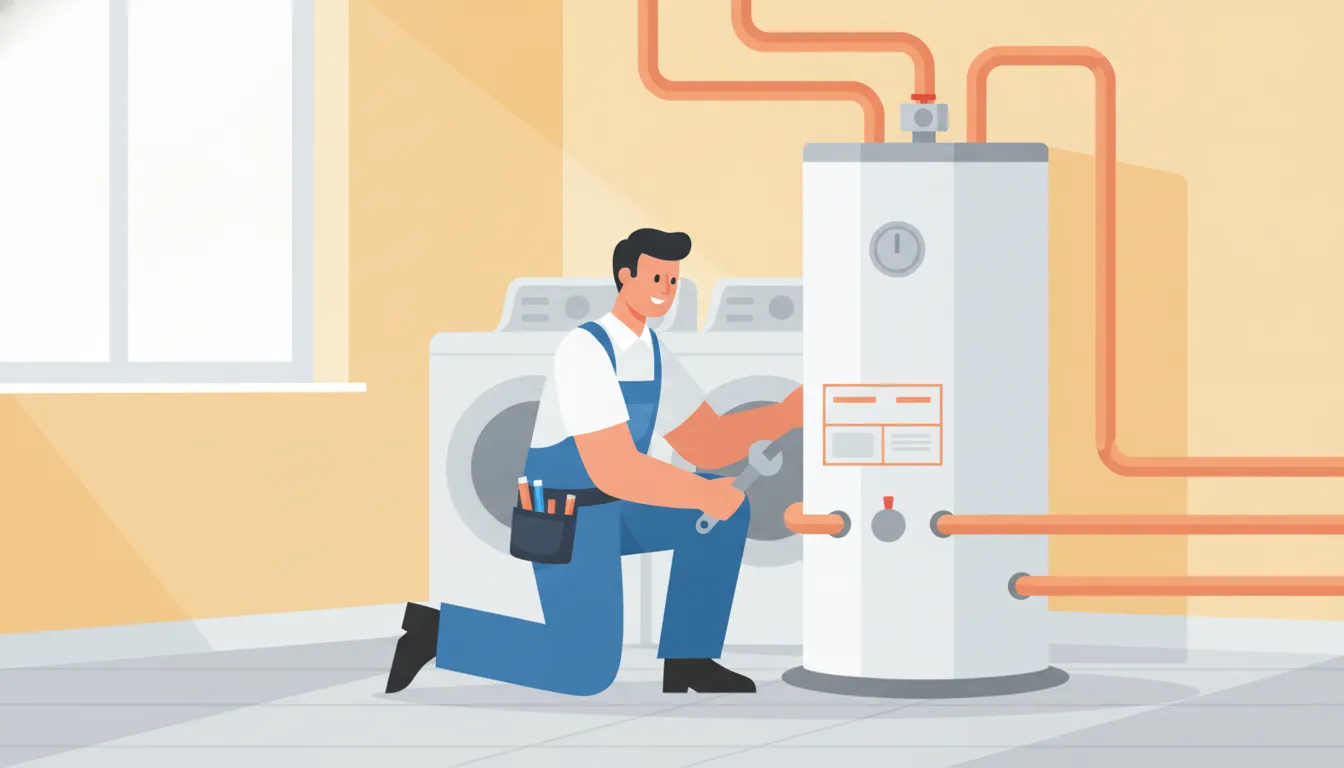
Florida Hard Water Water Heater Damage: What to Know
Mineral-rich groundwater is part of life in Florida, and those minerals do more than leave spots on shower glass. Along the Treasure Coast, homes from Port St. Lucie to Palm Beach Gardens often draw water from limestone aquifers that carry dissolved calcium and magnesium. When that water is heated, the minerals can collect inside a water heater, where scale may reduce heating efficiency, restrict flow, and put extra strain on heating elements. The effect is not identical in every home, so understanding your water is the first step toward choosing the right maintenance plan.
For many Florida homeowners, a florida hard water water heater needs regular inspection and flushing because moderate-to-very-hard water can contribute to scale buildup. Testing the home's water, watching for unusual popping or rumbling, and considering treatment such as a properly maintained softener can help reduce avoidable wear. Source: University of Florida IFAS.
Before deciding whether your heater needs treatment, repair, or a different maintenance schedule, it helps to see why Florida's geology gives local water its characteristic mineral content.
In this guide, our plumbing team explains what hard water means for your water heater. The warning signs to watch for, and the practical maintenance and treatment options that help your system last longer and stay efficient. Whether you need a simple annual flush or are weighing a water softener, you will leave with a clear plan.
Schedule a water heater inspection with Miranda Home Services.
Is Florida Water Actually Hard?
Yes. Across much of Florida, homeowners can expect water that ranges from moderately hard to very hard. That does not mean the water is unsafe to drink or use. It means it contains more naturally occurring minerals, especially calcium and magnesium, than soft water does.
Florida's geology explains why. Much of the state's groundwater moves through limestone aquifers. As water travels through that rock, it can pick up calcium and other dissolved minerals before reaching the wells that supply homes. The Florida Water Atlas explains how limestone aquifers contribute calcium to groundwater, while the University of Florida's IFAS guidance notes that hardness is typically moderate to very hard in many parts of the state.
Treasure Coast homeowners are not dealing with an unusual plumbing mystery when they notice white deposits on fixtures, spots on glass, or a chalky film around faucets. These are common signs that minerals are present in the water. Hardness can vary by location and water source, so the experience in Port St. Lucie may not be identical to the experience in Stuart, Fort Pierce, or Vero Beach. Your home's plumbing, water source, and treatment equipment also affect what you notice.
What makes hard water a concern for your home?
Hard water is generally a household maintenance concern rather than a health emergency. The University of Florida's home water quality guidance identifies hardness and dissolved minerals such as calcium among common water-supply concerns. In practical terms, those minerals can collect on plumbing surfaces and water-using appliances over time. Your water heater is especially important because heating encourages mineral deposits to form inside the tank or around heating components.
That is why understanding your home's water matters when evaluating a water heater repair in Florida. A noisy tank or inconsistent hot water may have several possible causes, and hard water may be one of them. Testing the water hardness and having the heater inspected can help identify the actual issue instead of treating every symptom the same way.
For most local homeowners, the takeaway is straightforward: Florida water is often naturally mineral-rich, but hard water is manageable. Knowing your water conditions gives you a better basis for choosing maintenance, treatment, or professional service for your home.
How Does Hard Water Damage a Water Heater?
Hard water does not damage a water heater all at once. The problem develops as dissolved calcium and magnesium remain in the tank and react to heat. As water warms, these minerals can form a hard deposit called scale, which is primarily calcium carbonate. The scale can settle on the bottom of a storage tank, coat the tank walls, and collect on heating elements. The CDC explains that calcium and magnesium are the primary minerals that contribute to scale buildup.
On an electric water heater, scale around a heating element acts like insulation. The element must work longer to transfer heat through the deposit and into the water. That extra effort can reduce heating efficiency and increase energy use. ENERGY STAR identifies scale buildup as a factor that can make a water heater work harder. While buildup inside the tank can also take up space and reduce its effective capacity. See ENERGY STAR's water heater guidance for efficiency information.
Scale can also affect how the heater operates. Deposits may create hot spots on an element, contribute to premature element failure, and make repairs more frequent. In a tank, loose sediment and mineral deposits can collect near the bottom, where they interfere with heat transfer. Over time, that can mean slower recovery after showers, less usable hot water, or inconsistent temperatures.
The same principle applies to tankless systems, although the scale forms inside the heat exchanger rather than around a storage-tank element. Restricted passages can reduce heat transfer and water flow, so tankless equipment in a hard-water home needs maintenance suited to the manufacturer's requirements. The extent of buildup depends on the home's water hardness, water usage, heater design, and maintenance history. A professional can test the water and determine whether flushing, descaling, or broader treatment is appropriate.
Schedule a water heater inspection with Miranda Home Services.
Signs Your Water Heater Is Suffering From Hard Water
Hard water scale does not always announce itself with a leak. In many Florida homes, the first clues are changes in how the water heater sounds, heats, or delivers hot water. The following signs can point to mineral buildup on the heating elements or at the bottom of the tank:
- Popping or rumbling noises: Crackling, popping, or rumbling during a heating cycle can occur when scale or sediment collects around the heating elements or tank bottom. Trapped water moves through the buildup and creates the sound as it heats.
- Reduced hot water flow or low pressure: Mineral deposits can narrow passages in the water heater or connected pipes. You may notice weaker hot water flow at a shower, faucet, or multiple fixtures, even when cold-water pressure seems normal.
- Unstable water temperatures: Water that shifts from hot to lukewarm, or takes longer than usual to reach the expected temperature. May indicate that scale is interfering with heat transfer or an element is struggling.
- Thin or cloudy hot water: A milky or white film on faucets, shower surfaces, or glassware can be associated with mineral-rich water. If the appearance is most noticeable after using hot water, it is worth having the water heater and water quality evaluated.
- White scale near faucets: Chalky white deposits around aerators, faucet bases, showerheads, or hot-water connections are a familiar hard-water clue. Deposits in these visible areas can also signal mineral buildup elsewhere in the plumbing system.
These symptoms are useful warning signs, not a diagnosis. Temperature problems, pressure loss, and unusual noises can also result from failing heating elements, valves, sediment, pipe restrictions, or other water heater issues. Research from the University of Florida notes that hard-water symptoms can mimic other problems, making professional diagnosis important before choosing a repair.
If you notice one or more of these changes, schedule an inspection before the issue becomes a sudden loss of hot water. Miranda can evaluate the tank, heating components, connections, and water conditions, then recommend the appropriate next step through water heater repair when needed.
How Florida Hard Water Water Heater Performance and Lifespan Could Drop
Hard water does not usually damage a water heater all at once. Instead, dissolved calcium and magnesium can gradually form scale on heating elements and tank surfaces. Florida's mineral-rich groundwater makes this a practical concern for many homeowners, although hardness varies by location and home.
As scale accumulates, it creates an insulating layer between the heat source and the water. The heater may need to run longer to reach the set temperature, which reduces efficiency and can contribute to higher utility bills. The U.S. Department of Energy's water-heating guidance explains that mineral buildup can affect performance and increase operating costs. For general water-heater efficiency information, see ENERGY STAR's water heater guidance.
Why does scale increase operating costs?
A scaled heating element cannot transfer heat as effectively as a clean one. Your system still has the same job, but more of its runtime and energy use goes toward overcoming the buildup. You may notice longer recovery times, less consistent hot water, or a heater that seems to work harder during periods of heavy use. Scale can also restrict water flow and reduce the usable capacity inside a tank.
Those effects add up over time. Hard water can increase energy costs and contribute to the premature need for water heater replacement, particularly when maintenance is neglected. Mineral deposits can also shorten the useful life of heating elements and other components. That does not mean every Florida home needs an immediate replacement. It does mean that repeated repairs, persistent performance changes, or visible corrosion deserve a professional evaluation before a small issue becomes a larger failure.
Can proactive management extend water heater life?
Yes. The University of Florida IFAS recommends proactive management of hard water through appropriate treatment and maintenance. Flushing or descaling on a schedule suited to your water hardness and household usage can limit accumulation. Water testing can help determine whether a softener or another treatment approach makes sense, rather than relying on a one-size-fits-all solution.
Professional maintenance is especially useful when the heater is older, makes popping or rumbling sounds, or struggles to provide consistent hot water. Addressing scale early can improve reliability and meaningfully extend the system's service life. If the unit is already near the end of its useful service period, a plumber can compare repair costs with a properly sized replacement. Learn more about water heater installation when replacement is the more practical option. For all your home's water-heater and appliance needs, our plumbing services cover everything from inspection to repair.
What Is the Best Water Heater for Hard Water?
There is no single water heater that eliminates hard-water scale. The best choice depends on your household's hot-water demand, fuel source, budget, and willingness to keep up with maintenance. In Florida, gas tankless units can be a strong option when installed correctly, but they require regular descaling. Conventional tanks are familiar and generally straightforward to service. While heat pump water heaters can deliver strong efficiency when the installation space and operating conditions are a good match.
Hard-water scale forms as minerals such as calcium and magnesium collect on heated surfaces. Over time, that buildup can interfere with performance, so scale resistance should be considered together with maintenance requirements. The University of Florida's IFAS guidance specifically notes that gas tankless units are often recommended for hard-water areas when they include self-cleaning or scale-minimizing designs. But regular descaling is still required: UF/IFAS water quality guidance.
| Water heater type | Scale resistance | Maintenance | Efficiency | Cost considerations |
|---|---|---|---|---|
| Conventional tank | Fair. Scale can collect at the tank bottom and on heating components. | Flush and inspect on a schedule based on water hardness and household use. | Good, but scale and standby heat loss can reduce performance. | Often a lower upfront option, with possible repair or replacement costs if scale is neglected. |
| Gas tankless | Good when properly selected, but the heat exchanger needs protection from scale. | Regular professional descaling is essential. Self-cleaning or scale-minimizing features can help. | Strong on-demand performance, subject to proper sizing and maintenance. | Usually a higher installation investment, plus recurring descaling costs. |
| Heat pump | Varies by model and installation. Mineral management remains important. | Follow the manufacturer's cleaning and service requirements, and monitor water quality. | Can be highly efficient in suitable Florida locations. | Higher upfront cost may be balanced by lower operating costs, depending on use. |
For many Florida homeowners, the practical answer is a properly sized unit paired with a realistic scale-control plan. If you choose tankless, confirm who will perform descaling and how often before installation. If you choose a tank or heat pump model, ask about flushing, component access, and manufacturer requirements for hard-water conditions. Testing your water hardness can make that decision more precise, rather than relying on a generic recommendation.
How to Protect Your Water Heater From Hard Water
A practical maintenance plan can limit the scale and sediment that hard water leaves inside a tank. It can also help you catch corrosion or worn components before they become an unexpected loss of hot water. Use this upkeep checklist:
- Flush the tank at least once a year. Annual flushing removes accumulated sediment and scale from the tank and heating components. In a home with very hard water or high water usage, the right interval may be more frequent. Follow the manufacturer's maintenance guidance, since water hardness and household demand affect how often service is needed. ENERGY STAR's water-heater guidance is a useful starting point, but your owner's manual should take priority.
- Have the anode rod inspected. The anode rod helps protect the tank from corrosion. A plumbing professional can check its condition during water-heater maintenance and recommend replacement when it is significantly depleted. This is especially worthwhile when the system is already being flushed or descaled.
- Schedule professional descaling when buildup is established. Popping or rumbling sounds, inconsistent temperatures, reduced hot-water flow, or slow recovery can have several causes, including scale. Professional diagnosis matters because hard-water symptoms can resemble other water-heater problems. If you need help, Miranda can provide water heater repair in Florida.
- Test your water before choosing treatment. Hardness can vary by location and by water source. A water test helps identify the mineral content and determine whether a softener or another treatment system is appropriate. The University of Florida's water-quality guidance recommends testing as an important first step.
- Consider a whole-home water softener. A properly selected and maintained softener reduces calcium and magnesium before they reach the water heater and plumbing. The CDC notes that softeners can help prevent scale, but the system still needs regular checks and salt replenishment to keep working effectively. Whole-home treatment protects more than one appliance, while targeted maintenance remains necessary.
- Review replacement options when maintenance no longer solves the problem. If the tank is repeatedly failing or heavily affected by scale, compare repair costs with a properly sized replacement. Ask about hard-water maintenance requirements and warranty conditions before choosing water heater installation.
Consistent flushing, inspection, testing, and treatment will not remove every maintenance need. But together they provide a sensible way to manage Florida's mineral-rich water and support dependable hot water.
How Often Should You Flush a Water Heater in Hard Water?
For most homes in Florida, flushing a tank water heater at least once a year is a practical starting point. If your water is very hard, your household uses a large amount of hot water. Or the heater produces popping and rumbling sounds, a six-month schedule may be more appropriate. The right interval depends on both the hardness level and total household water usage, not simply the age of the equipment. The U.S. Department of Energy recommends regular water heater maintenance, including flushing to remove sediment and scale. See its guidance on water heaters and efficiency.
Flushing removes loose sediment that settles at the bottom of a storage tank. Descaling addresses mineral deposits that adhere to the tank or heating components. These deposits can insulate heating elements, restrict performance, and contribute to premature wear. Follow the manufacturer's maintenance instructions, especially if your warranty specifies a particular service interval. Keeping those records and completing the required maintenance can help preserve warranty coverage.
How do you flush a basic tank water heater?
Only flush a tank heater if you can safely identify the shutoff controls and connect a discharge hose. The water may be extremely hot. If the drain valve is stuck, the discharge is discolored, or you are unsure how to relight a gas appliance, stop and schedule professional service.
- Turn off the heat source. Switch off the electric breaker or set the gas control to the manufacturer's recommended setting. Let the water cool before opening the drain.
- Close the cold-water supply. Find the cold-water shutoff above the tank and turn it off. Open a nearby hot-water faucet to relieve pressure and allow air into the system.
- Connect a garden hose. Attach the hose to the tank drain valve and route the other end to a safe drain or suitable outdoor location. Confirm that hot water will not reach people, plants, or surfaces it could damage.
- Open the drain valve. Let the tank empty. Briefly opening and closing the cold-water supply can help loosen sediment, but stop if the discharge backs up or the drain becomes blocked.
- Close the drain and refill. When the water runs clear, close the valve, remove the hose, and open the cold-water supply. Keep a hot-water faucet open until water flows steadily without air.
- Restore operation and check for leaks. Turn the electric breaker back on only after the tank is completely full. Relight a gas unit according to its instructions, then inspect the connections and drain valve.
Tankless systems do not get flushed in the same way, but they still need professional descaling in hard-water areas. A plumber can assess the mineral buildup, recommend a safe interval, and service the system without damaging sensitive components.
Schedule a water heater inspection with Miranda Home Services.
Frequently Asked Questions
Is Florida water hard or soft?
Much of Florida's groundwater comes from limestone aquifers that naturally add calcium to the water. Hardness varies by location, but many Florida homes have moderate to very hard water. You can test your water to confirm its hardness before choosing treatment. University of Florida IFAS explains Florida water hardness.
How does hard water damage a water heater?
Heating can cause calcium carbonate scale to deposit on the tank and heating elements. That buildup can make the heater work harder, restrict water flow, and reduce effective tank capacity. It may also contribute to premature element failure. The CDC describes calcium and magnesium scale formation.
How often should I flush my water heater with hard water?
Annual flushing is a reasonable starting point for many tank water heaters, but the right schedule depends on your water hardness and household usage. Follow the manufacturer's maintenance guidance, and have a plumber assess the system if it produces popping or rumbling sounds.
Does a water softener help protect a water heater?
Yes. A properly selected and maintained softener reduces calcium and magnesium before they enter the plumbing system, which can reduce scale formation. Test the water first, then keep the softener supplied and serviced so it continues working effectively. CDC water-treatment guidance covers softener maintenance.
Ready to Protect Your Water Heater?
A professional inspection can help identify mineral buildup, flushing needs, or repair concerns before they affect your home's hot-water performance. Miranda Plumbing & Air can recommend a practical next step based on your water heater and Florida home's needs. We are here to help you maintain dependable hot water with clear, straightforward guidance.
Book an appointment to inspect, flush, or repair your water heater.
Need plumbing or HVAC service on the Treasure Coast?
Contact Miranda Plumbing & Air