
Florida Hard Water Plumbing Effects on Your Treasure Coast Home
Florida hard water leaves a chalky white crust on faucets and slowly chokes your home's pipes with scale. The minerals that cause those white spots also shorten the life of your water heater and leave your skin dry after every shower. For Treasure Coast homeowners, these Florida hard water plumbing effects are a real and growing concern that demands a real solution.
Book a free water quality consultation with Miranda Plumbing and Air Conditioning today and find out exactly how hard your water is.
Florida hard water plumbing effects include the rapid buildup of calcium and magnesium minerals that create a stony layer inside your pipes and water heater. The University of Florida says these minerals enter the local water supply as rain filters through limestone rock formations. This scale lowers your water pressure, forces appliances to run hotter, and leads to early leaks, clogged pipes, and higher energy bills. The proven fix is a whole-home water softener that pulls minerals out before they reach your plumbing.
Seeing those chalky spots is just the start of the issues facing local plumbing systems. Here is what every Treasure Coast homeowner needs to know about hard water and their pipes.
What Causes Hard Water on Florida's Treasure Coast?
Most people in the United States deal with hard water every day. Research from the U.S. Geological Survey shows that 85% of North American homes are in hard water areas. On the Treasure Coast, this is a particularly common issue that many families face. You may notice several negative Florida hard water plumbing effects in your home over time. Installing water softener systems can stop these minerals from causing costly damage to your property.
The Role of Florida Limestone
The main reason for our hard water lies deep under the ground. Florida sits on a large bed of limestone rock rich in minerals like calcium and magnesium. When rain falls, it soaks into the earth and moves through these thick layers of rock. As the water travels, it slowly dissolves the limestone and picks up these minerals. This natural process is how groundwater becomes hard before it ever reaches your tap.
Once these minerals enter your home's water supply, they do not stay liquid for long. According to experts at the University of Florida, these minerals react with other elements in the water to create a hard, chalky buildup known as scale. Over time, this scale coats the inside of your pipes and acts like a clog that grows slowly every time you turn on a faucet.
Local Water Quality and Aging Pipes
Local water quality adds another layer of concern for homeowners in our area. In Port St. Lucie, water quality tests have found eight different substances above EPA health guidelines. At Miranda Plumbing and Air Conditioning, we have seen how these factors work together to wear down pipes and fixtures much faster than normal.
The age of your home also plays a big part. Records show that 72.3% of homes on the Treasure Coast were built between 1980 and 2009. Many of these houses are now reaching an age where plumbing systems start to fail. Combining older pipes with constant hard water use raises the risk of leaks and clogs significantly.
Measuring Your Water Hardness
Water hardness is measured in grains per gallon (GPG). This number tells you exactly how much calcium and magnesium is in your water. Knowing your GPG helps you decide if you need a treatment system to protect your pipes and your budget.
Plumbing experts use standard levels to define how hard your water is:
| Category | Hard Water | Soft Water |
|---|---|---|
| Mineral content | High calcium and magnesium | Low mineral levels |
| Pipe buildup | Scale accumulates, narrows pipes | No scale formation |
| Soap lather | Poor lather, leaves film residue | Rich lather, rinses clean |
| Water heater impact | Coats elements, reduces efficiency | No mineral deposits |
| Fixture stains | White chalky or green stains | No staining |
| Energy costs | Higher due to scale insulation | Normal efficiency |
| Appliance lifespan | Shortened by mineral wear | Full expected lifespan |
Many homes in our area test in the hard or very hard range. When your water hits these high levels, it starts to leave white spots on your dishes and a film on your skin. More importantly, it begins to damage the parts of your home you cannot see. Since 1981, Miranda Plumbing and Air Conditioning has helped Treasure Coast neighbors find the right way to protect their homes from these local water issues.
How Hard Water Damages Pipes and Plumbing Fixtures
As water moves through your lines, calcium and magnesium minerals stick to the inside of your pipes to form scale. Over time, this creates a hard, rock-like layer that is tough to remove. These Florida hard water plumbing effects can lead to slow leaks and costly repairs if you do not catch them early.
Clogged Pipes and Low Water Pressure
The most common problem is narrowed pipes. Mineral scale builds up on inner walls like plaque in a straw. As the layer gets thicker, there is less room for water to flow. You will first notice this as a drop in water pressure when you shower. High levels of hardness lead to scale build-up inside your plumbing system. This extra strain raises your power bills and causes joints to leak or seals to fail.
Damage to Faucets and Showerheads
Hard water also attacks the parts of your plumbing you see every day. Faucets and showerheads often show white, chalky stains that are hard to scrub away. These mineral build-ups can ruin the finish on your metal and damage the small parts that stop leaks. When scale prevents inner seals from closing all the way, you may need expert plumbing fixture repair to restore flow.
Inside Rust and Leaks
Thick scale can trap water against pipe walls, leading to pinhole leaks in copper or steel lines. These leaks are often hidden inside walls or under floors where they can cause mold before you find them. On the Treasure Coast, salt air and heat already stress home systems. Adding hard water accelerates pipe failure. Keeping your pipes clear of scale is the best way to avoid a plumbing crisis.
What Is the Hidden Cost of Hard Water on Your Water Heater?
Water heaters are the heart of your home's comfort, and they are very prone to damage from mineral buildup. In Florida, groundwater calcium and magnesium turn into solid rock when heated. This scaling creates a layer of insulation that makes your unit work much harder. Over time, this stress can lead to sudden breakdown and a need for professional water heater repair.
Sediment Buildup
When minerals fall out of the water, they sink to the bottom of your tank. This layer of chalky silt acts as a blanket between the burner and the water. The unit must run longer and get much hotter to reach your target temperature. This heat can warp the tank and ruin its protective lining. Most water heaters should last about 10 years, but hard water can cause them to fail much sooner.
Tankless Units and Scale
If you have a tankless unit, the risk is even higher because the water paths are very small. Scale can quickly clog these narrow tubes and shut down the system. Because these units heat water fast, the high heat causes minerals to stick to the parts almost immediately. Regular flushing can help, but installing water softener systems is the best way to prevent this damage entirely.
Efficiency Loss and Higher Bills
Hard water is a silent drain on your bank account. According to data from UF/IFAS, mineral deposits on heating elements drastically reduce the efficiency and lifespan of your water heater. As scale builds up, your heater needs more energy to do the same job. Keeping your system clear of minerals is the best way to save money and protect your home.
How Can You Tell If Your Home Has Hard Water?
You may not see the minerals in your water, but you can see what they do to your home. On Florida's Treasure Coast, high calcium and magnesium levels are common in the groundwater. If you notice white spots on your dishes or a film on your hands after washing, you likely have a hard water problem.
Common Visual Signs
Check your bathroom and kitchen faucets and showerheads for a white, chalky crust. This scale can clog the small holes in your showerhead and may mean you need plumbing fixture repair. Hard water also leaves spots on glassware that are hard to scrub off. Even after a full wash, your plates and cups may look cloudy because minerals do not rinse away well.
Simple Home Tests
You do not always need a lab to find out if your water is hard. Many signs are right in front of you. Pay attention to how your soap behaves. Pure water lets soap turn into thick foam. Hard water instead turns soap into a grey scum that is hard to wash off your skin and hair.
- Soap lather test: Fill a clear bottle halfway with water and add a few drops of dish soap. Shake well. Plenty of bubbles and clear water at the bottom means soft water. Cloudy water with few bubbles means hard water.
- Check for mineral stains: Look for white or green spots around your drains and on your faucets. These mineral deposits on fixtures are a major sign of high calcium levels. Over time, these spots turn into thick crusts that are hard to remove.
- Notice dry skin and hair: Hard water can strip away natural oils, leading to itchy, dry skin and dull hair. According to UF/IFAS, these minerals make it much harder to rinse soap and shampoo away completely.
- Monitor your water pressure: If your shower feels weaker than it used to, minerals may be building up inside your pipes and restricting water flow.
- Track your power bills: If your energy bill goes up for no clear reason, scale on your water heater heating elements may be the cause. The system needs more power to heat the water through the insulating mineral layer.
These signs can help you catch a problem before it causes a major leak or broken pipe. If you see these signs, have your water tested by a professional.
What Are the Best Solutions for Hard Water on the Treasure Coast?
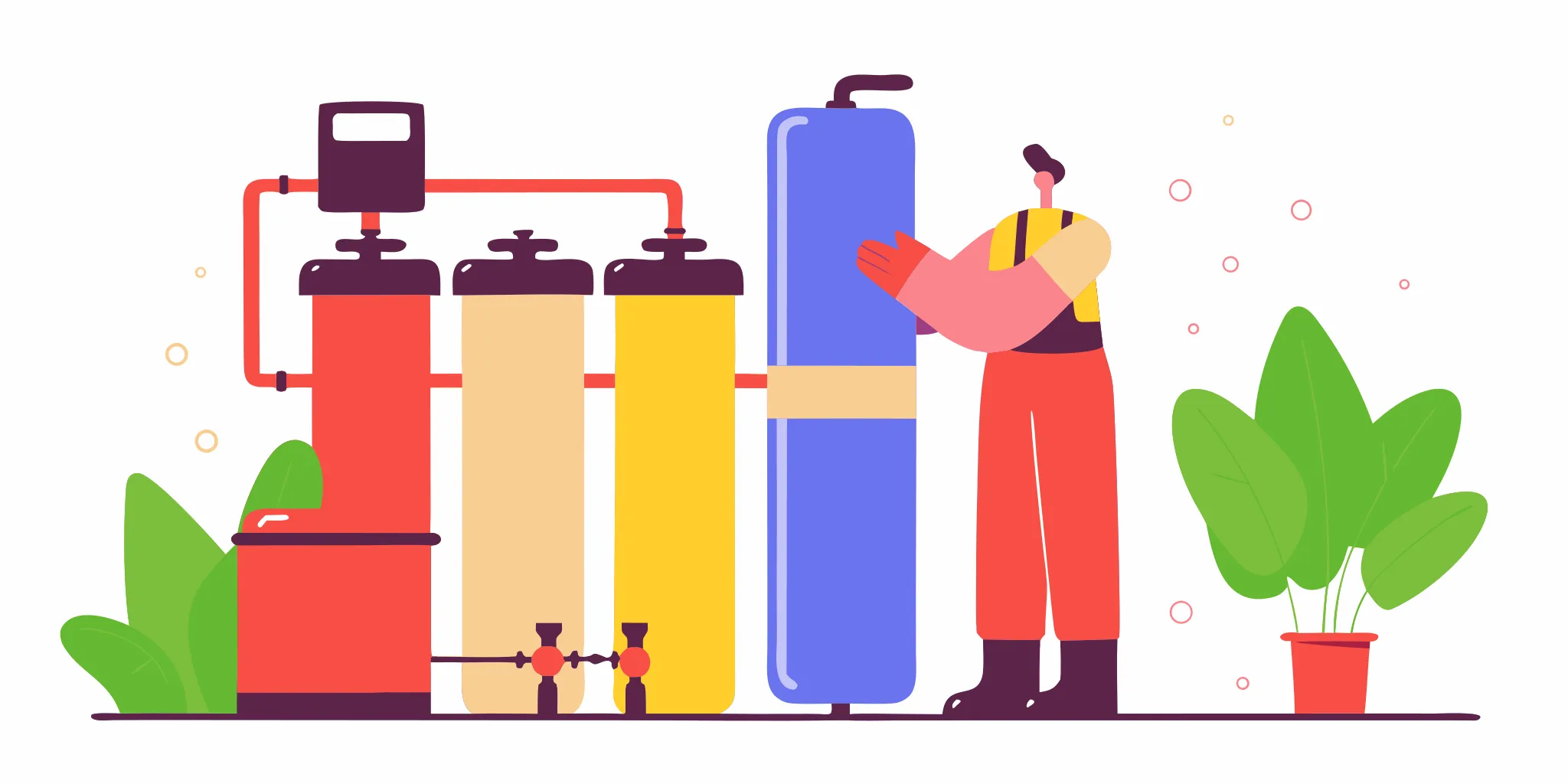
Florida's limestone-rich ground adds high levels of calcium and magnesium to the local water supply. An ion-exchange water softener is the most common way to fix this issue. These systems use a tank filled with small resin beads that carry a special charge to pull mineral ions out of the water as it flows through.
How Ion-Exchange Water Softeners Work
This process swaps hard minerals for sodium ions, creating sodium carbonate that dissolves easily and does not create hard scale in your pipes or appliances. Many people worry about the salt, but the amount of sodium added is very small. By removing the minerals, the system stops scale buildup before it can damage your home.
Benefits for Appliances and Health
Soft water helps your large home appliances last much longer. Dishwashers and washing machines stay cleaner without mineral buildup. Your soap lathers better with less effort, saving you money on cleaning supplies. Your skin and hair also benefit. Hard minerals can leave a film that makes skin feel dry and hair look dull. Soft water washes away soap cleanly, leaving your skin smooth and your hair healthy. Investing in water softener systems is a great way to protect your whole home.
Whole-Home vs. Point-of-Use Systems
A point-of-use system sits under a sink or connects to a showerhead. These work well if you only want to treat the water you drink, but they do not protect your water heater or pipes. A whole-home system treats all water entering your house. Every faucet, shower, and appliance gets soft water. This prevents minerals from coating your pipes and keeps your water pressure strong. A whole-home setup is the best way to stop Florida hard water plumbing effects.
The Miranda Plumbing and Air Conditioning Approach
Miranda Plumbing and Air Conditioning does not believe in a one-size-fits-all fix. Our team starts with a full water test in your home to measure the specific mineral levels. This step is vital because water quality varies across the Treasure Coast. We use this data to size your system correctly. A system that is too small will fail to treat the water. One that is too large will waste salt and water.
Our licensed technicians handle professional water filtration installation to ensure the system connects to your current plumbing properly. Since 1981, we have helped Florida families protect their homes and back our work with a 100% satisfaction guarantee.
Why Choose Miranda Plumbing and Air Conditioning for Your Water Treatment Needs?
Florida hard water plumbing effects can be tough on your home. Scale builds up over time, causing pipes to narrow and clog. You may see low water pressure or stains on your sinks and tubs. Choosing a local team that knows the area is the best way to keep your system safe.
Trust Our Deep Local Roots
Miranda Plumbing and Air Conditioning has served the Treasure Coast since 1981. For over 45 years, we have helped people in Port St. Lucie, Vero Beach, Stuart, Fort Pierce, Jupiter, and Palm Beach Gardens. We are a family-run business, not a large national group, which means we treat every home like it is our own. Our team holds the proper credentials to give you peace of mind:
- Licensed in plumbing (CFC1427227)
- Licensed in HVAC (CAC1815486)
- Certified Ruud Pro Partner
One Team for Plumbing and Air
What makes Miranda Plumbing and Air Conditioning special is our dual expertise. We offer both plumbing and HVAC work so you do not have to call multiple contractors. We handle everything with one call to our full plumbing services. Mineral scale from hard water can also damage your water heater and AC system. We can address all of these issues together. Our team also offers financing through GreenSky for major repairs and installations. New customers save $20 on service Monday through Friday from 8am to 4pm.
Schedule your free water quality consultation online now or call (833) 950-5877 for 24/7 emergency service.
Frequently Asked Questions
Can hard water buildup cause my pipes to leak?
Yes, mineral scale can lead to leaks over time. As calcium and magnesium build up inside your pipes, they create a rough surface that can catch debris and lead to corrosion. According to University of Florida researchers, even moderate scale can eventually eat away at metal pipes and cause small pinhole leaks or large breaks.
How long does it take for mineral scale to damage a water heater?
In Florida, damage can start in just a few years. Most water heaters are built to last about 8 to 12 years, but hard water can cut that time in half if the unit is not maintained. Mineral crust coats the heating parts quickly, forcing the unit to work harder and leading to early failure and higher energy bills.
Does hard water cause dry skin and hair for Florida residents?
Many Treasure Coast residents notice dry skin and flat hair due to hard water. The minerals react with soap to form a thin film that sticks to your body and prevents moisture from getting in. UF experts explain that this residue can leave hair brittle and skin itchy. A water softener removes these minerals so soap can lather and rinse away completely.
What is the difference between a water softener and a filtration system?
A water softener specifically targets hard minerals like calcium and magnesium to prevent scale. A filtration system removes contaminants like chlorine, sediment, and chemicals for better taste and safety. Many Treasure Coast homes benefit from both systems working together for complete water quality protection.
Does Miranda Plumbing and Air Conditioning offer free water testing?
Yes. Miranda Plumbing and Air Conditioning provides in-home water testing to measure your specific mineral levels. Our technicians use this data to recommend the right water treatment solution for your home. Contact us to schedule your free consultation.
Ready to protect your home from hard water damage?
Hard water is a slow threat that can ruin your plumbing system over time. Scale will build up inside your pipes, choke water flow, and force your water heater to work harder. Starting a water treatment plan now will help you avoid costly repairs. Miranda Plumbing and Air Conditioning knows the unique water challenges on Florida's Treasure Coast and has the right tools and expertise to solve them.
Call (833) 950-5877 today or book your free water quality consultation online. Licensed, insured, and ready to help 24/7.
Need plumbing or HVAC service on the Treasure Coast?
Contact Miranda Plumbing & Air