
Why Does My Toilet Keep Running? Causes and Next Steps
“Why does my toilet keep running?” A common reason is water continuing to move from the tank into the bowl or through the fill system. A worn flapper, misadjusted float, or fill-valve problem can keep the tank from shutting off. Start with a few safe observations, then stop if you find a leak or cannot identify the cause.
Request plumbing service from Call Miranda Plumbing and Air
How Does a Toilet Tank Stop Filling?
Knowing the basic cycle makes the symptoms easier to understand. When you press the handle, a lift arm or chain raises the tank flapper. Water flows from the tank into the bowl and carries waste through the drain.
As the tank empties, the flapper drops over the outlet. The fill valve then opens and sends water into the tank. A float rises with the water and signals the fill valve to close at the set level.
A small refill tube directs some water into the overflow tube and bowl while the tank refills. That water restores the bowl's normal level after a flush. The refill tube should be positioned above the overflow opening, not pushed down inside it.
A problem with any of these parts can interrupt the cycle. Water may flow continuously, the valve may turn on every few minutes, or a hiss may continue after a flush. Those sounds do not identify one failed part by themselves, so use them as clues.
Toilet designs vary, and some tanks use different flush mechanisms. If the parts in your tank do not match these descriptions, avoid forcing anything. A repair guide for the exact toilet model or a plumbing professional can help identify the right procedure.
Notice when the sound starts and stops. A short refill after flushing is part of the normal cycle. A hiss that continues long after the tank appears full, or a refill that repeats while nobody has used the toilet, deserves a closer look.
Consider whether the sound comes from inside the tank, the bowl, or the wall connection. Sound can travel through plumbing, so location alone cannot prove where a fault is. Combine what you hear with visible water movement and dampness before deciding what to do.
What Does a Running Toilet Sound or Look Like?
Listen after a flush and after the tank should have finished refilling. A steady trickle into the bowl often points to water passing the flapper or flush seal. A hiss near the fill valve can mean the valve has not closed fully.
Sometimes the toilet seems quiet, then refills briefly without anyone flushing. This is often called ghost flushing. Water may be escaping slowly from the tank into the bowl, causing the float to fall and the fill valve to start again.
Look for ripples or a thin stream in the bowl when the toilet has been idle. Also check whether the water level in the tank sits near or above the top of the overflow tube. Do not mistake a refill that lasts briefly after a flush for a continuous fault.
A running toilet can waste water over time. Montana State University's indoor water-saving guidance notes that a leaky toilet can waste as much as 200 gallons of water a day. The actual amount depends on the leak, so treat the figure as a warning rather than a prediction for every toilet. Read the university's indoor water-saving guidance.
If the sound continues, use the checks below in order. Keep the tank lid on a stable surface, since ceramic lids can crack if dropped. Never lean on the tank or use tools to pry parts loose.
A single refill after a flush does not necessarily mean the toilet has a fault. The tank needs time to refill, and the length can vary with the fixture and water supply. The useful warning signs are water that never stops, repeated refills without use, or visible leakage.
Try to observe one complete cycle without touching the handle again. Note when the float stops, whether water enters the overflow tube, and whether the bowl surface keeps moving. If you cannot safely see the parts, do not remove components just to complete the check.
Which Parts Commonly Keep a Toilet Running?
Several tank components can create similar symptoms. This quick comparison can help you decide what to observe before taking further action.
| What you notice | Possible cause | Safe first check | When to get help |
|---|---|---|---|
| Water moves in the bowl between flushes | Flapper or flush seal may not be sealing | Check whether the chain is caught and the flapper sits flat | If the seal looks damaged or water keeps moving |
| Tank water reaches the overflow opening | Float setting or fill valve issue | Observe the water level while the tank fills | If the valve will not shut off or adjustment is unclear |
| Hissing continues near the tank | Fill valve may be running or not closing | Listen after a flush and check for a steady refill | If the sound persists after simple checks |
| Toilet refills briefly without a flush | Slow leak from tank to bowl | Try a dye test without flushing | If color appears in the bowl or the cause remains uncertain |
| Water appears outside the toilet | Supply, tank, bowl, or floor connection may leak | Stop using the toilet and check where water is collecting | Promptly, especially if water spreads or reaches flooring |
These are possible explanations, not a diagnosis. A leak can be hidden under the tank or around the toilet base. If you see water on the floor, do not assume the tank parts are the only issue.
Use the table to choose what to observe, not to select a part automatically. For example, a hiss can occur while a tank refills normally, but a hiss that continues after the water level stops rising is different. Similarly, water in the overflow tube may point to a fill issue, while water in the bowl can suggest a flush seal leak.
Note whether the symptom follows every flush or happens only sometimes. A chain may snag during one flush and settle correctly during the next. A seal can also leak intermittently. Recording when the symptom appears helps avoid replacing a part based on one observation.
Also distinguish water inside the bowl from water on the bathroom floor. A small stream inside the bowl can still waste water, but it is not the same as an exterior leak. Exterior moisture needs prompt attention because it can reach flooring and surrounding materials.
How Can You Check a Flapper and Chain Safely?
First, flush once and watch the mechanism from above. The chain should lift the flapper when you press the handle, then allow it to settle over the tank outlet. A chain that catches on another part can hold the flapper partly open.
If the chain looks tangled, you may gently free it while the tank is not moving. Leave a little slack when the flapper is closed. A chain pulled too tight can keep the seal from closing, while excessive slack can get caught beneath the flapper.
Observe whether the flapper rests evenly on its seat. Mineral buildup, warping, or deterioration can prevent a tight seal. Avoid scraping the surface or applying cleaners that could damage the rubber or other tank components.
A simple dye test can help identify a tank-to-bowl leak. Add a few drops of food coloring to the tank water, then wait about 10 to 15 minutes without flushing. If color appears in the bowl, water is likely passing through the flapper or another flush seal.
Flush afterward to clear the color. If you see no color, that does not rule out every possible leak. The leak may be intermittent, or the problem may involve the fill valve, refill tube, supply connection, or another component.
Flappers and flush seals are not universal. Their shape, attachment, and compatibility depend on the toilet design. Do not buy a replacement based only on appearance if you cannot confirm the model or part requirements.
If you are uncertain about the mechanism, leave the tank undisturbed and arrange an inspection. Miranda provides toilet repair and installation service for homeowners who need help with a toilet that will not stop running.
What Should You Check on the Float and Fill Valve?
After a flush, watch the tank refill without touching the parts. The float should rise as the water level increases. The fill valve should stop when the tank reaches its normal level, below the top of the overflow tube.
If water continues flowing into the overflow tube, the tank may be filling too high or the valve may not be shutting off. Some floats have a simple adjustment, but the method varies. Check the toilet or valve instructions before changing a setting.
Do not bend metal arms, force a plastic adjustment screw, or twist the valve body. A small adjustment can cause a new problem if the parts are brittle or unfamiliar. If water continues to rise, use the shutoff valve near the toilet only if it turns easily.
The shutoff valve is usually near the wall or floor behind the toilet. Turn it gently clockwise to stop the water supply. If it is stuck, corroded, leaking, or difficult to reach, do not force it; seek plumbing help.
Check that the refill tube is clipped above the overflow opening. If it is pushed down inside the tube, it can create a siphoning effect in some arrangements. Do not cut or reposition components unless the toilet maker's instructions call for it.
A hiss can come from a fill valve that is not closing completely, but sound alone cannot confirm a failed valve. Sediment, wear, or an incorrect adjustment may be involved. If the valve keeps running after the tank fills, a plumber can identify the issue and compatible repair parts.
When Should You Stop Troubleshooting and Shut Off the Water?
Stop and seek help if water is leaking outside the tank, pooling around the base, or spreading across the floor. A running sound is one issue; water reaching flooring or nearby walls can create a separate concern.
If water is overflowing into the bowl or tank, turn off the toilet's shutoff valve if it operates normally. Do not force a stuck valve. If you cannot stop the flow safely, contact a plumber for assistance.
Also stop if you see a crack in the tank or bowl, a damaged supply line, or water near electrical equipment. Avoid using the toilet until the source has been checked. Do not attempt to seal a crack with household adhesive.
Repeatedly tightening connections is not a safe substitute for finding the leak. Over-tightening can damage fittings or porcelain. If a connection drips after a gentle check, or if water returns after wiping the area dry, arrange a professional inspection.
Take care around the base. Water there can come from more than one source, and wiping it away does not establish that the leak has stopped. Keep people from walking through standing water, and avoid lifting or rocking the fixture to investigate.
If moisture appears near a wall, under flooring, or in a room below, stop using the toilet and arrange help. The visible spot may not show where water first escaped. A quick assessment can help limit further exposure while the source is identified.
If the shutoff valve is inaccessible or stuck, do not pull the toilet away from the wall. A plumber can assess the valve and supply line without risking damage to the fixture or surrounding finish.
How Can You Narrow Down Where the Water Is Going?
Start by drying the outside of the tank, the floor, and the visible supply line. Then watch the toilet through a full refill. This can help distinguish water inside the tank from water leaking outside it.
Look at the floor around the base before and after flushing. Water that appears only after a flush may have a different source than a steady drip from the supply line. Do not conclude that the toilet seal is the cause based on timing alone.
Check the tank bolts and visible connections without tightening them aggressively. Look for fresh droplets, rust marks, or a trail of water. A dry surface at one moment does not exclude an intermittent leak, so recheck after the tank refills.
Moisture on a tank can sometimes come from condensation rather than a plumbing leak, especially when the surface feels cool in a humid bathroom. Do not assume that is the answer if water keeps returning or forms a steady drip. Dry the area and observe where new moisture appears, then get help if you cannot identify the source.
Do not use a paper towel or cloth to push into openings or beneath the fixture. Keep the check visual and avoid disturbing seals. If water is hidden behind the toilet or below the floor, a professional can inspect the area without guesswork.
If there is no visible exterior water, watch the bowl for movement and perform the dye test. If the bowl stays clear but the tank keeps hissing or refilling, the fill system may need attention. If the source remains unclear, stop instead of taking the tank apart.
Make a short note of what you observed: whether the toilet had just been flushed, how long the sound lasted, whether water moved in the bowl, and where you saw moisture. These details can help a plumber focus the inspection.
What Can a Plumber Check That Is Hard to See?
A plumbing inspection can evaluate the flapper or seal, fill valve, float, refill tube, shutoff valve, and visible supply connection. The plumber can also check whether the tank and bowl show signs of damage.
Some parts may look intact but fail to seal consistently. Mineral deposits, worn materials, poor alignment, or a part that does not fit the toilet model can affect operation. An inspection helps separate a simple adjustment from a component replacement or another repair need.
Ask what was found and which repair is recommended before work begins. Request an explanation of the affected part, the proposed work, and any alternatives. The right repair depends on the toilet and the condition of its components, so there is no single solution for every running toilet.
You can make that conversation clearer by describing the symptoms in plain terms. Say whether the toilet refills without a flush, whether water moves in the bowl, and whether you saw moisture outside the fixture. Mention any temporary step you took, such as closing the shutoff valve.
If replacement parts are proposed, ask how the technician confirmed compatibility with your toilet. If the recommendation involves a larger repair, ask what was inspected and why that scope is appropriate. Clear answers help you understand the condition and decide on the next step without guessing at the cause.
For plumbing questions, homeowners can review the plumbing services available from Call Miranda Plumbing and Air. The company also provides water leak detection and repair, which may be relevant when moisture is present but its source is not clear.
Service availability can depend on the location and the problem. The service-area information can help Treasure Coast homeowners see whether their community is listed. You can also review plumbing and HVAC service in Stuart or service in Vero Beach.
How Can You Reduce the Chance of Another Running Toilet?
Pay attention to changes after a flush. A new hiss, a slow refill, or repeated refilling can be easier to investigate when noticed early. Do not wait for a large puddle before checking a sound that keeps returning.
Use the flush handle normally and avoid holding it down unless the toilet requires that action. A handle that sticks can keep the chain raised and prevent the flapper from closing. If the handle does not return, check whether the chain is caught or ask for help.
Do not put cleaning tablets or other chemicals in the tank unless the toilet manufacturer specifically permits them. Products intended for bowls can affect tank components. Follow the product label and toilet instructions rather than assuming a cleaner is safe for internal parts.
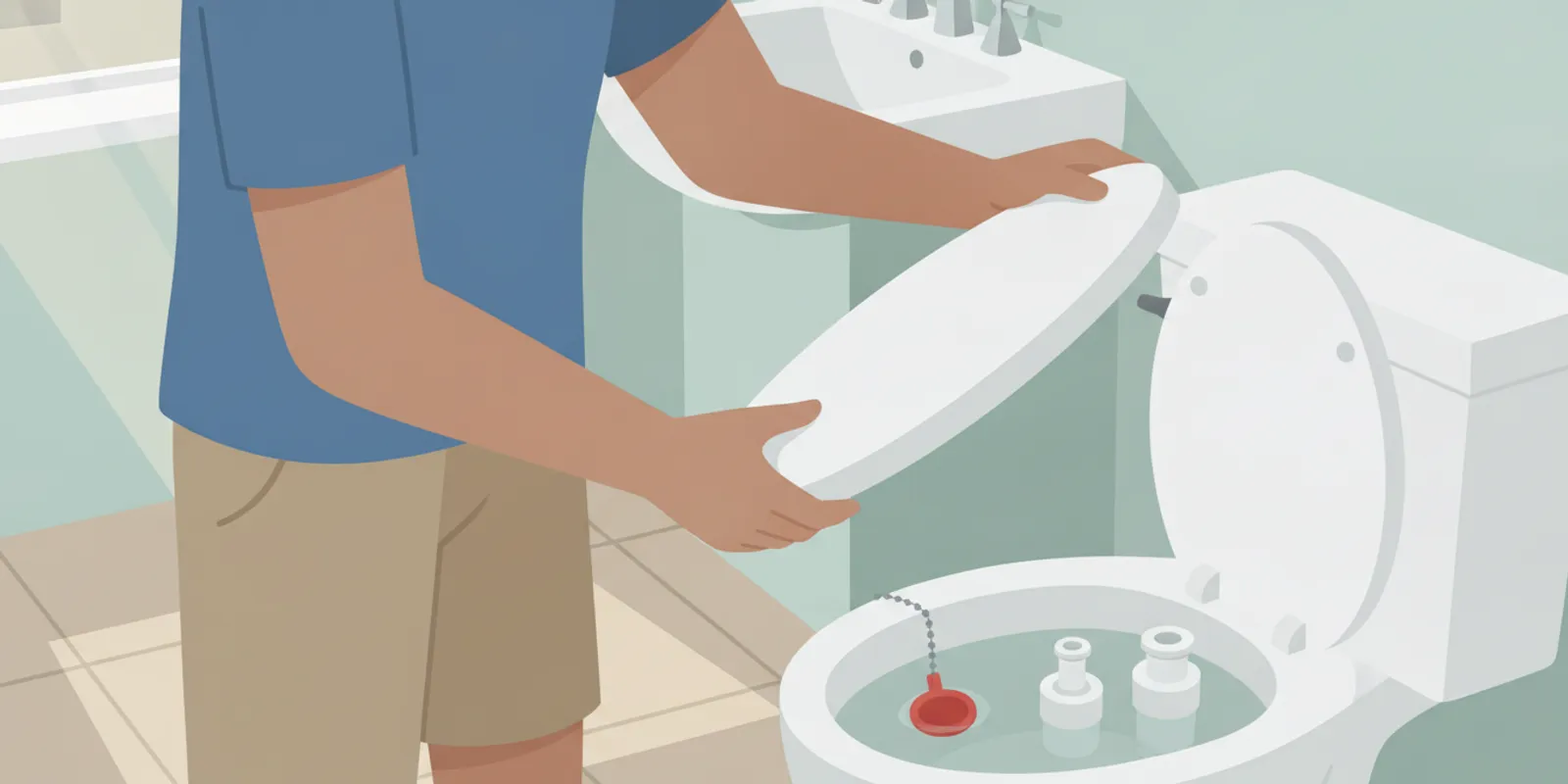
Keep the tank lid in place during normal use. If you need to inspect the mechanism, lift it carefully with both hands and place it on a stable surface. Keep children away from the open tank and its moving parts.
For repeated issues, note when the toilet was last repaired and whether the same symptom returned. A record of the observed sound, refill timing, and any visible water can make the next inspection more efficient.
What Should You Do Next If the Toilet Keeps Running?
Start with observation: identify whether water is moving in the bowl, whether the tank reaches the overflow, and whether water is visible outside the toilet. Check the chain and refill tube only if you can do so without forcing parts.
If a dye test points to a tank-to-bowl leak, the flapper or seal may need attention. If the tank overfills or the fill valve continues hissing, the fill system may be involved. Water on the floor, a crack, or a stuck shutoff valve calls for a more cautious response.
Do not guess at replacement parts or dismantle a fixture if the cause is unclear. A toilet can have more than one issue, and an incorrect repair may leave the water running or create a leak. An inspection can help determine the appropriate next step.
Contact Call Miranda Plumbing and Air about a running toilet
Frequently Asked Questions
Why does my toilet keep running after I flush?
A flapper that does not seal, a chain that holds it open, or a fill valve that does not close can keep water moving after a flush. Watch the tank refill and bowl, then check for water reaching the overflow tube. If the cause is not clear, avoid forcing the parts.
Why does the toilet refill by itself when nobody uses it?
A slow leak from the tank into the bowl can lower the tank water level. The fill valve may then open briefly to replace the lost water. A dye test can help identify this kind of leak, but it does not diagnose every possible fault.
Can a running toilet cause a high water bill?
Yes. A toilet that continually loses water can increase water use, though the amount depends on the leak and how long it continues. A persistent sound or repeated refill is worth checking rather than ignoring.
Should I turn off the water if my toilet keeps running?
If water is overflowing or leaking outside the toilet, turn the shutoff valve gently if it works normally. Do not force a stuck or corroded valve. If you cannot stop the flow safely, contact a plumber.
What license numbers should I look for when arranging service?
Call Miranda Plumbing and Air lists plumbing license CFC1427227 and HVAC license CAC1815486. Ask questions about the work recommended and the condition found before deciding how to proceed.
When arranging service with Call Miranda Plumbing and Air, note that plumbing license CFC1427227 and HVAC license CAC1815486 apply to the company's plumbing and HVAC work.
Need plumbing or HVAC service on the Treasure Coast?
Contact Miranda Plumbing & Air