
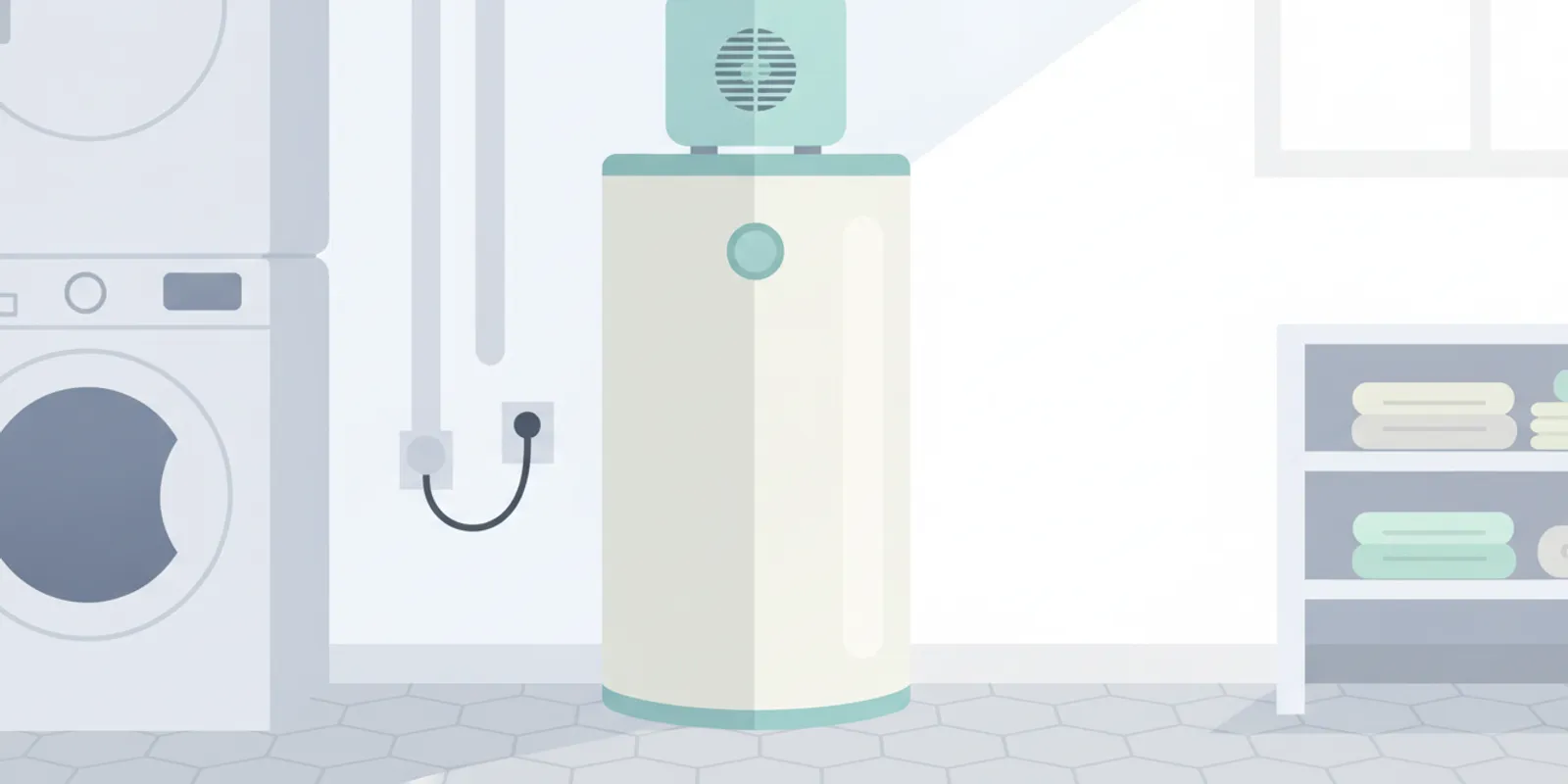
What Is a Heat Pump Water Heater? A Florida Guide
If you are researching what is a heat pump water heater, the short answer is a storage water heater that uses heat from surrounding air to warm its tank. It runs on electricity, but it moves heat rather than making all of it directly with an electric resistance element. That difference can affect energy use, installation needs, and where the unit works best. Here is what Treasure Coast homeowners should know before considering one.
Talk with Call Miranda Plumbing and Air about your water heater options.
What Is a Heat Pump Water Heater, Exactly?
A heat pump water heater, often shortened to HPWH, is an electric water heater with a storage tank and a heat-pump system. A fan draws in surrounding air. The system extracts heat from that air and transfers it to water stored in the tank. Many models also have electric resistance elements for additional heating when needed.
Think of the heat pump as moving available heat into the water, much like a refrigerator moves heat out of its interior. The water heater uses electricity to operate its fan and compressor. The ENERGY STAR heat pump water heater guide explains this basic operating approach and factors involved in selecting a unit.
This is not a tankless heater. It stores hot water for later use, so tank capacity and recovery time still matter. The key difference is how the unit gathers heat to warm that water.
How Does a Heat Pump Water Heater Work?
The unit takes heat from air around it and transfers that heat to water inside its tank. That process needs electricity to run the heat-pump components. If demand is high or operating conditions call for more heat, a model may use its backup electric elements.
Because the unit draws heat from the air around it, the installation space matters. The unit releases cooler air as it operates. It can also produce operating sound and condensate that needs proper drainage. These are normal considerations, not reasons to rule out the technology automatically.
ENERGY STAR and the New York State Energy Research and Development Authority both describe heat pump water heaters as systems that draw heat from surrounding air to heat stored water. Read NYSERDA’s overview of heat pump water heaters for a homeowner-friendly explanation.
Here is the basic sequence in everyday terms. First, the fan pulls room air across the heat-pump components. A refrigerant absorbs heat from that air, and the compressor raises the refrigerant's temperature. The system then transfers that heat through a heat exchanger to the stored water. The cooled air leaves the unit and returns to the room or an approved duct arrangement, depending on the model and installation.
The tank does not heat every gallon instantly. It stores heated water, then replaces hot water used by showers, sinks, and appliances. After a large draw, the heater needs time to restore the tank temperature. A unit may switch to resistance heat under certain conditions, depending on its controls and operating mode. Ask the installer to show you how the specific model handles recovery, backup heat, and operating settings.
What Should Florida Homeowners Consider About the Installation Space?
A heat pump water heater needs an appropriate place to draw air from and move cooler air back into the space. The equipment’s manual specifies required clearances and operating conditions. An installer should review those instructions against the actual room before recommending a location.
- Available air: The unit needs enough surrounding air to operate as designed. A small enclosed closet may not meet the model’s requirements.
- Room temperature: Heat-pump performance depends on the air conditions around the unit. Ask how the selected model performs in the temperatures expected at its proposed location.
- Cooler exhaust air: The unit can cool the space around it while operating. Consider whether that effect is acceptable in the chosen room.
- Sound: The fan and compressor make operating noise. Avoid assuming that a location beside a bedroom or living area will be comfortable without checking the model.
- Condensate: The unit removes moisture from the air during operation. Confirm how condensate will be drained and whether the planned route is practical.
- Service access: Leave the manufacturer-required space for installation, inspection, and future maintenance.
Florida’s warm climate may make heat drawn from surrounding air readily available in some locations, but that does not make every installation suitable. Garages, utility spaces, and other rooms differ in size, temperature, airflow, and drainage. Have a professional check the proposed location rather than relying on a general rule.
Before an assessment, take a few simple notes about the possible location. Measure the room's approximate length, width, and height. Note whether it has a door, vents, or other openings, and identify nearby rooms where cooler exhaust air could be felt. Do not remove panels or modify vents to create airflow. The installer should compare the room with the selected model's requirements and explain any proposed changes.
Check the route for condensate as carefully as the air path. Ask where water from the unit would drain, whether gravity drainage is practical, and whether the connection could be reached for service. If a drain is not close by, ask what approved arrangement the equipment allows. Also discuss how the unit would be protected from accidental contact, stored items, or water exposure in the proposed area.
Location choices involve tradeoffs. A garage may have open air around the unit but could experience changing temperatures. A utility room may be convenient for plumbing but could be cramped or close to living spaces. A closet may appear tidy but might not supply the air volume or service clearance the manual requires. Have the installer compare actual conditions instead of assuming one room type is always best.
If your current unit has stopped heating, start with a diagnosis rather than assuming a replacement type. Miranda offers water heater repair, and a plumber can determine whether repair or replacement is the more sensible next step.
How Do You Decide Whether the Capacity Fits Your Household?
HPWHs store hot water in a tank, so choosing the right capacity is still important. The right size depends on how much hot water your household uses and when people use it. A smaller tank may run short during overlapping showers, laundry, or other water use. A larger tank may take up more space and may not be needed for every household.
Discuss these practical questions before choosing a model:
- How many people live in the home most of the year?
- Do several people typically shower close together?
- Does the household regularly use hot water for laundry or dishwashing at the same time?
- Are there seasonal changes in occupancy, such as visiting family or a home that is vacant part of the year?
- What tank size and recovery performance does the manufacturer specify for the unit being considered?
To make that conversation more concrete, keep a short record of your household’s hot-water routine before requesting an assessment. For several days, note when showers happen and whether laundry or dishwashing overlaps with them. Include any periods when the home has more occupants, such as visits from family. Also note whether anyone regularly runs out of hot water, and when that happens. If your current tank is still operating, record its capacity and model information from the label, if it is accessible. This information gives the installer context beyond household headcount. Ask how the proposed tank size and recovery characteristics address your actual peak-use pattern.
For example, a household where showers happen one at a time has a different peak pattern from one where several people shower before work. A visiting family member may change the busiest days without changing the home's usual occupancy. A dishwasher or washing machine used during the same window adds another source of demand. These examples do not point to a particular tank size. They help explain why a simple people-per-bedroom rule may miss important details.
Ask the installer to discuss first-hour delivery or other capacity information listed for the model, along with the recovery behavior in the mode you expect to use. Ask what happens after a high-demand morning and whether using a different mode changes recovery or energy use. Review the manufacturer's stated figures, not a generic estimate detached from the equipment. The best choice is the model that fits the home's demand and the installation space together.
Rather than selecting a tank by household headcount alone, describe your actual hot-water routine. An installer can compare that demand with the model’s capacity, recovery characteristics, and installation requirements. Miranda’s water heater installation and replacement service is a relevant place to discuss a new unit.
How Does It Compare With a Standard Electric Tank?
Both systems store hot water in a tank and use electricity. A standard electric resistance tank heats water with electric elements. A heat pump model transfers heat from surrounding air, and may have resistance elements to provide additional heating. Those operating differences come with different space and installation considerations.
| Consideration | Heat pump water heater | Standard electric tank |
|---|---|---|
| How it heats water | Moves heat from surrounding air into stored water; may also use resistance elements. | Uses electric resistance elements to heat stored water. |
| Air around the unit | Needs a suitable air source and space that meets model requirements. | Does not use a heat pump to draw heat from the room. |
| Space effect | Can release cooler air and condensate during operation. | Does not create the heat-pump cooling effect in the surrounding space. |
| Sound | Fan and compressor create operating sound. | Does not have a heat-pump fan and compressor. |
| What to assess | Location, airflow, drainage, tank size, and the model’s requirements. | Tank size, condition, connections, and whether the existing setup suits a replacement. |
The table describes general differences, not a promise about a particular model’s energy use or fit. Equipment specifications, household use, local utility rates, installation conditions, and operating settings all affect the real-world result. Ask for a side-by-side explanation based on the specific units and proposed work.
When comparing models, ask the contractor to write down the tradeoffs that matter in your home. Compare tank capacity and recovery details first, then consider the location, expected sound, and condensate plan. Ask whether the estimate assumes heat-pump operation, resistance backup, or a particular user-selected mode. An equipment label or brochure can describe a model, but the actual room and household pattern determine whether it is a sensible replacement.
Also compare the complete installation scope rather than only the equipment description. One quote may include a drainage change or electrical work that another quote excludes. That does not automatically make one estimate better. It means the assumptions and included tasks need to be made clear before you compare totals.
What Can Affect the Replacement Cost?
There is no responsible one-price answer without looking at the existing equipment and installation. The equipment model and tank capacity are only part of the estimate. A heat pump model may need more planning around space, airflow, sound, and condensate than a like-for-like standard tank replacement.
Ask the contractor to explain whether the estimate includes each relevant item:
- The selected heater, its capacity, and any model-specific requirements.
- Removal and disposal of the existing water heater, if included.
- Plumbing connections and any needed changes to the existing setup.
- Electrical work required for the selected equipment and existing circuit.
- Condensate drainage and any changes needed for a suitable route.
- Adjustments to the installation location, clearances, or airflow arrangement.
- Permits or other required project items, as applicable.
These are questions to ask, not a claim that every home needs every item. A clear estimate should distinguish required work from optional upgrades and explain why each line applies. If you are comparing quotes, check that both describe the same tank capacity, equipment type, included work, and assumptions.
For a useful comparison, put each estimate beside the same checklist. Record the proposed make and model, tank capacity, any location work, drainage plan, electrical scope, and removal of the old unit. Mark any item that is excluded or listed as an allowance. Then ask the contractor to clarify differences before treating the prices as directly comparable.
Consider a scenario where the existing heater sits in a tight closet with no obvious drain nearby. A replacement could require more location planning than a heater installed in a roomy utility area with an available drain. Those are different job conditions, even when the homeowners choose similar equipment. The example illustrates why a written estimate should tie its proposed work to the observed site rather than present unexplained line items.
Homeowners who want to explore payment arrangements can review Miranda’s financing information. Confirm the current terms and eligibility directly before making a decision.
What Should You Ask Before Installation?
A good assessment should connect the equipment, room, plumbing, and electrical setup. Bring the model information from your current heater, if available, and describe the days when hot water use is busiest. Ask the installer to identify the proposed location and explain how it meets the equipment instructions. If changes are recommended, ask what issue each change addresses.
- Which unit and tank capacity are you proposing, and why does it suit our usage pattern?
- What are the manufacturer's requirements for room size, clearance, temperature, and airflow?
- Where will the cooler exhaust air go, and could it affect an adjacent room?
- How will condensate be routed, and what maintenance access will remain?
- What electrical work or plumbing changes are included in the estimate?
- What operating modes are available, and how might they affect recovery?
- What routine care does the manufacturer recommend for this specific model?
Ask for answers tied to the proposed equipment, not only general statements about heat pump technology. If a clearance, drain, or electrical question remains unresolved, request clarification before work begins. Keep the model information and installation instructions with the homeowner records. That makes it easier to look up controls and maintenance requirements later.
When Is a Heat Pump Water Heater Worth Discussing?
It may be worth discussing when you are replacing an electric tank, have a suitable location, and want to compare how different electric water-heating approaches fit your home. It is also worth checking when your current tank is aging or has recurring problems. The system is not an automatic fit if there is no appropriate space or the household dislikes cooler exhaust air and operating sound in the available location.
Use this quick decision check before scheduling an estimate:
- Identify the current problem. Note the age of the heater, symptoms, and whether hot water runs out sooner than expected.
- Describe household demand. Explain peak-use times, occupancy changes, and how often hot-water use overlaps.
- Review possible locations. Share the room, available space, nearby living areas, and a possible condensate drain route.
- Compare suitable equipment. Ask how each proposed model handles capacity, operating conditions, noise, and backup heating.
- Compare written scopes. Check the equipment, connections, electrical work, drainage, and other included items.
If the existing unit may be repairable, a plumber can inspect it before you commit to a replacement. If replacement is appropriate, ask the installer to explain why the proposed model fits the home and what conditions could affect its operation.
The U.S. Department of Energy's Building Science Education Solution Center provides decision guidance for heat pump water heaters. Use that resource as background, then have the equipment and proposed location assessed for your home. The model manual remains important because required conditions differ among products.
Contact Call Miranda Plumbing and Air to review your water heater options.
Frequently Asked Questions
Does a heat pump water heater use electricity?
Yes. Electricity runs the heat-pump components, including the fan and compressor. Some models also use electric resistance elements for additional heating.
Does it still have a tank?
Yes. A heat pump water heater stores hot water in a tank. It is different from a tankless heater, which heats water on demand rather than storing it in a tank.
Can it go in a small closet?
Not necessarily. The unit needs the clearances and operating conditions specified by its manufacturer. Ask an installer to assess the exact closet, airflow, and condensate drainage before choosing that location.
Will a heat pump water heater work in my Florida home?
It may, but climate alone cannot confirm a good fit. The model, room conditions, tank capacity, drainage, household demand, and installation requirements all matter. Have the proposed location and equipment assessed together.
Who can assess a water heater in my home?
Call Miranda Plumbing and Air provides residential plumbing service on Florida’s Treasure Coast. Learn about plumbing services, or check the service area list to see where service is offered.
Ask Call Miranda Plumbing and Air to help you plan your next step.
A heat pump water heater can be a practical option when its operating needs, tank capacity, and installation location suit your household. Compare the full installation plan with your current water-heating setup, and ask a licensed professional to explain the tradeoffs. Call Miranda Plumbing and Air holds Florida plumbing license CFC1427227 and HVAC license CAC1815486.
Need plumbing or HVAC service on the Treasure Coast?
Contact Miranda Plumbing & Air