
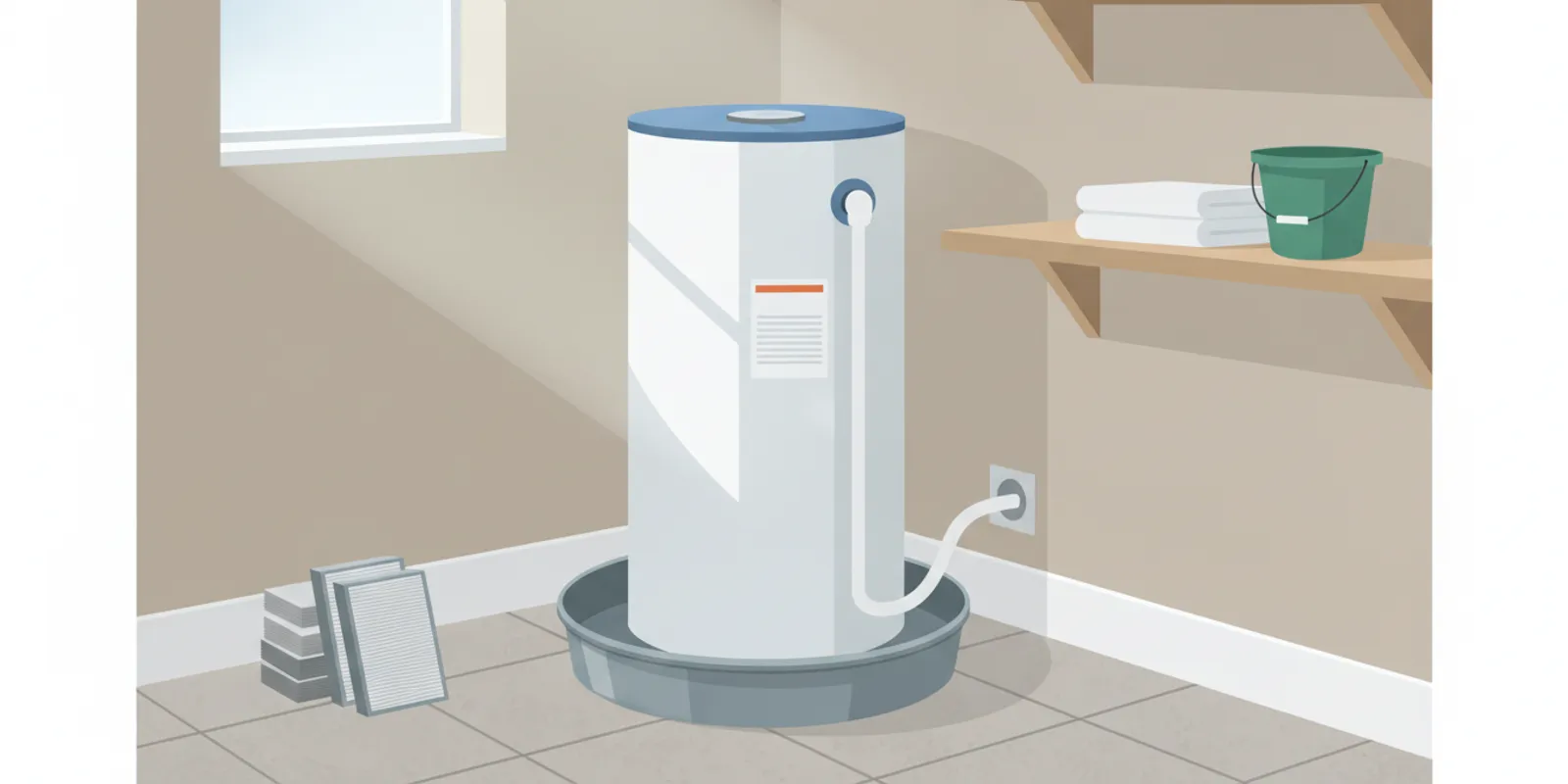
Water Heater Pans: Why They Matter and When to Replace One
A water heater pan sits beneath a storage water heater and helps direct leaking water toward a drain. It does not prevent every leak or replace a proper repair. However, it can give a homeowner more time to notice a problem before water damages flooring, walls, or stored belongings. This guide explains what a pan does, when it is needed, and when replacement makes sense for a Treasure Coast home.
Contact Call Miranda Plumbing and Air
What Does a Water Heater Pan Do?
A water heater pan is a shallow container installed below a tank-style water heater. It catches water that escapes from the tank or nearby connections.
The pan usually connects to a drain line. That line carries collected water to an approved termination point. The exact design depends on local requirements, the room layout, and the type of water heater.
A pan is not a pressure vessel. It is not a substitute for the temperature and pressure relief valve. It also cannot contain a major tank rupture for an extended period.
Think of the pan as one layer in a broader protection plan. Proper installation, visible piping, routine checks, and prompt repairs matter just as much.
The U.S. Department of Energy's Building America Solution Center explains that a compliant emergency drain pan may be needed where water leakage could damage the home. Its checklist also describes a three-quarter-inch drain line for applicable installations. Review the Building America water heater checklist for the source guidance.
Why Is a Water Heater Pan Important in a Florida Home?
Water can travel farther than many homeowners expect. A small leak may spread below flooring or through a wall before it becomes obvious.
Florida homes may have water heaters in garages, closets, utility rooms, laundry areas, or elevated spaces. The consequences of a leak differ in each location.
- A garage pan may help direct water away from stored items and finished surfaces.
- A closet pan may help reveal a leak before it reaches adjacent flooring.
- An elevated installation may send water toward ceilings or lower living areas.
- A pan with no drain connection may collect water without safely moving it away.
Location does not determine every requirement. It does affect the potential path of water and the urgency of a visible leak.
A pan also gives you a simple inspection point. If you see water inside it, do not assume the pan solved the problem. Treat the water as evidence that a component needs attention.
Which Water Heater Problems Can Fill the Pan?
Several conditions can send water into a pan. Some are minor connection leaks. Others may signal a failing tank or a safety concern.
Leaking connections
Water may appear around the cold-water inlet, hot-water outlet, shutoff valve, or other fittings. A loose connection can produce a slow drip. Do not tighten a fitting aggressively. Excess force can damage threads or create another leak. A plumber can identify the source and choose the correct repair.
A leaking temperature and pressure relief valve
The temperature and pressure relief valve protects the tank from unsafe conditions. Water at the valve or its discharge pipe needs prompt attention. Never cap, plug, or obstruct that discharge pipe. Do not use the pan as a reason to ignore a valve that is releasing water.
A drain valve leak
The drain valve sits near the bottom of many storage tanks. Its connection may seep as the valve ages or after service. A short drip can still create repeated moisture. That moisture may cause corrosion, staining, or damage around the water heater.
Tank corrosion or a tank leak
A tank leak often means the storage vessel itself has deteriorated. A pan may catch some water, but it cannot restore the tank. When water comes from the tank body, replacement may be more appropriate than another connection repair. A professional should confirm the source before you make that decision.
How Can You Tell Whether the Pan or the Water Heater Is Leaking?
Start with a visual check from a safe position. Do not remove covers, disconnect piping, or touch electrical components.
- Look for water inside the pan.
- Trace visible moisture upward without touching hot surfaces.
- Check the floor around the pan for spreading water.
- Look at nearby fittings, valves, and the drain line.
- Note whether the water returns after drying the area.
Water may come from condensation, a plumbing connection, a relief valve, or the tank itself. A dry pan does not prove that the installation is safe.
If water is spreading, shut off the water supply to the heater when you can do so safely. For an electric unit, turn off power at the appropriate disconnect or breaker if there is no immediate hazard.
Gas equipment requires extra caution. If you smell gas, leave the area and contact the gas utility or emergency services according to local guidance. Do not operate switches near a suspected gas leak.
When Should You Replace a Water Heater Pan?
A pan may need replacement when it is rusted, cracked, bent, poorly sized, or unable to drain correctly.
Replacement is also worth discussing when the water heater is being replaced. The existing pan may not fit the new tank. Its drain connection may also be damaged or placed incorrectly.
Look for these warning signs:
- Visible corrosion, pinholes, or cracks.
- A rim that no longer sits level beneath the tank.
- A drain opening that is blocked or disconnected.
- A drain line that slopes poorly or ends where water can damage the home.
- Water that remains in the pan after a small leak.
- A pan that is too small for the installed water heater.
A pan that is merely dirty may only need cleaning. A damaged pan needs a closer review. Do not lift or move a water heater to replace a pan yourself. Storage water heaters are heavy. Moving one can damage piping, wiring, gas connections, or the tank. A professional can evaluate the pan without creating a second problem.
What Should You Compare Before Installing a Water Heater Pan?
The right pan is not selected by appearance alone. The installer should evaluate the water heater, the available space, and the intended drain route.
| Item to compare | Why it matters | What to verify |
|---|---|---|
| Pan size | The pan must support the tank footprint and collect leakage. | Confirm the tank sits securely within the pan. |
| Pan material | Material affects durability and compatibility. | Use a product suited to the installation and local requirements. |
| Drain connection | Collected water needs a planned path away from the equipment. | Check that the outlet and line are connected correctly. |
| Drain termination | The endpoint affects whether a leak becomes visible or causes damage. | Confirm the termination is observable and approved for the location. |
| Clearance and access | The installer needs room to service the heater and inspect the pan. | Keep valves, controls, and connections accessible. |
| Water heater type | Tank and tankless equipment have different installation details. | Match the pan decision to the equipment and room. |
Local plumbing rules can vary. A pan that looks suitable in one room may not be suitable in another. Some requirements also depend on whether the water heater is gas-fired, electric, elevated, or installed above a finished space. That is why a visual product comparison cannot replace an installation review.
Can You Replace a Water Heater Pan Without Replacing the Heater?
Sometimes, but the answer depends on access and the condition of the installation.
A pan beneath a connected tank usually cannot be removed like a loose tray. The heater may need to be drained, disconnected, lifted, or moved. Each step creates risks if the work is not planned correctly.
A technician may recommend replacing only the pan when the tank and connections are in sound condition. They may recommend a broader repair when the tank leaks or the drain route is defective.
Ask for a clear explanation of the observed problem. You should understand whether the recommendation addresses the pan, the drain, the heater, or several components.
For related service information, review water heater repair options and water heater installation and replacement service.
What Can a Plumber Check During a Water Heater Pan Inspection?
A plumbing inspection should begin with the reported symptom. The goal is to find the water source and assess the path it may take.
- The tank body and visible seams.
- Cold-water and hot-water connections.
- Shutoff valves and the drain valve.
- The temperature and pressure relief valve.
- The pan condition and fit.
- The pan outlet and drain line.
- Clearance around the equipment.
- Signs of prior water damage or corrosion.
The technician may also ask when the water first appeared. A leak that happens only during heating can point to a different issue than constant dripping. Pictures can help explain the condition. Ask whether the recommendation is a repair, a pan replacement, a water heater replacement, or monitoring after a minor adjustment.
Call Miranda Plumbing and Air serves homeowners across the Treasure Coast. Service areas include Port St. Lucie, Stuart, Jupiter, Palm Beach Gardens, and Vero Beach.
See the plumbing services page for the broader plumbing service path. You can also review Treasure Coast service areas before requesting help.
How Can You Reduce Water Heater Pan Problems?
A few simple habits can make leaks easier to notice. They cannot prevent every tank failure, but they can shorten the time between a leak and a service call.
- Keep the area around the heater clear.
- Check the pan during routine home maintenance.
- Look for moisture near valves and connections.
- Keep the drain outlet visible when practical.
- Do not store items where they hide a leak.
- Arrange prompt service when water appears.
Do not test a relief valve casually. A valve that does not reseat can create a larger leak. A professional can assess its operation and condition. It also helps to know the location of the water shutoff. If a leak grows, shutting off the supply may limit additional water while help is on the way.
What Should You Ask About the Recommended Repair?
Good questions help you compare the condition you have with the work being proposed.
- Where is the water coming from?
- Is the pan damaged, or is the heater leaking?
- Does the drain line connect and terminate correctly?
- Can the existing heater remain in service?
- What safety steps are needed before work begins?
- What signs would require an urgent return visit?
- What work is included in the written scope?
Pricing can depend on access, equipment, connections, drain routing, and the condition of surrounding materials. Ask for those factors to be explained before authorizing work.
For payment planning, you can review available financing information. Terms and approval requirements should be confirmed directly with the provider.
Schedule a water heater inspection
Frequently Asked Questions About Water Heater Pans
Does every water heater need a pan?
Not every installation has the same requirements. A pan is especially important where a leak could damage the home or a finished area. Local rules, equipment type, and installation location all matter. Have a professional evaluate uncertain situations.
Can a water heater pan stop a tank from leaking?
No. A pan catches or directs some water after a leak begins. It does not repair corrosion, a failed valve, or a damaged connection.
Should water remain in the pan?
Persistent water is not normal evidence to ignore. It may indicate a leak, a blocked drain, or an installation problem.
Can I put a pan under the heater myself?
Moving a connected water heater can create electrical, gas, plumbing, and lifting hazards. A licensed plumbing professional should review the installation.
When is a water heater pan an emergency?
Call for prompt help when water is spreading, the tank body appears to leak, a relief valve is releasing water, or gas or electrical hazards are present.
What Is the Next Step?
A water heater pan is a useful layer of protection, but it is only one part of a safe installation. If you see water, identify the source quickly and arrange a professional review before the damage grows.
Call Miranda Plumbing and Air has served Treasure Coast homeowners since 1981, with residential plumbing and HVAC services for the communities it serves.
Need plumbing or HVAC service on the Treasure Coast?
Contact Miranda Plumbing & Air