
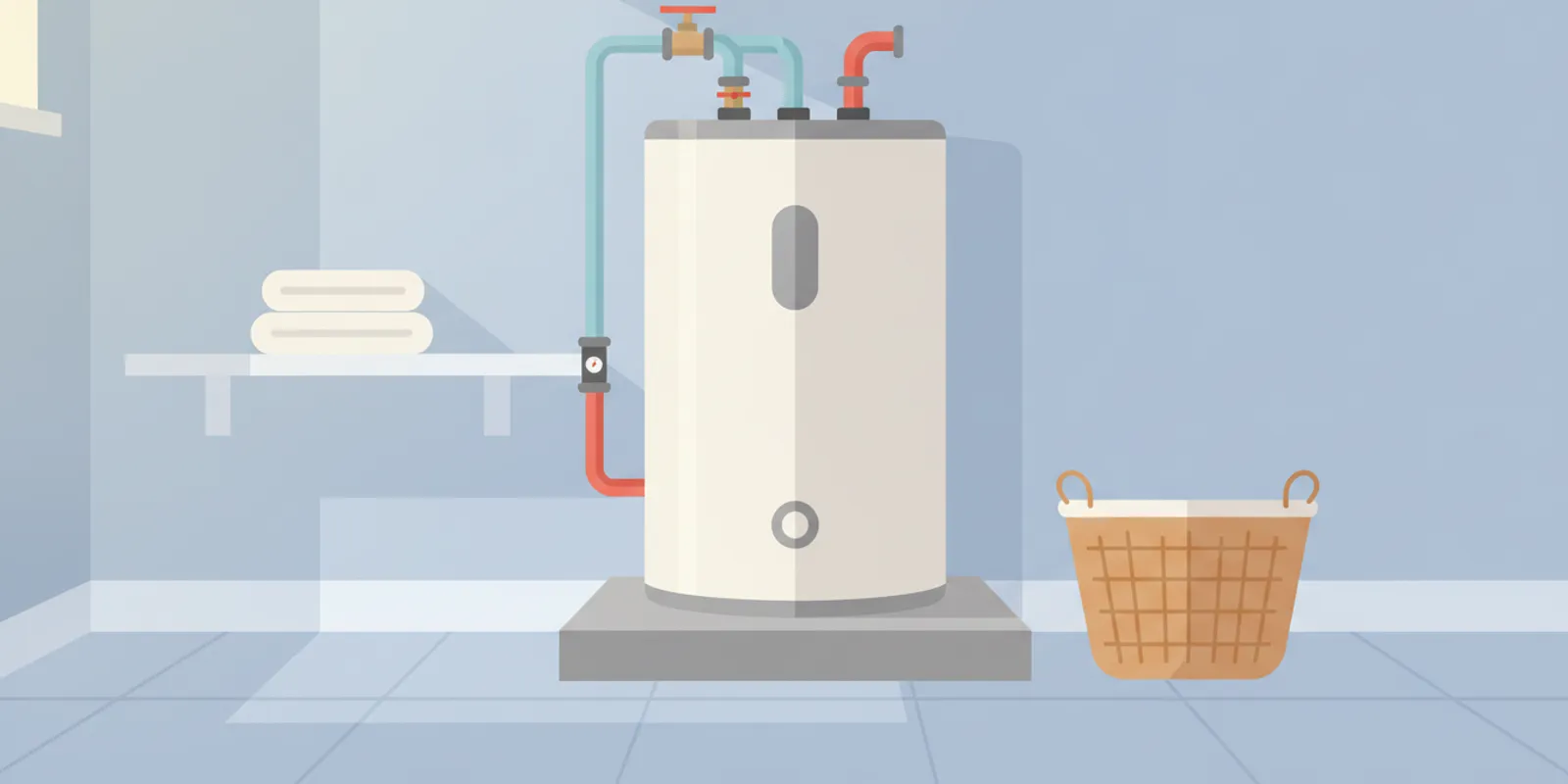
Small Water Heaters: Where They Fit and What to Consider
A small water heater can solve a specific hot-water problem, but a compact tank is not automatically the right choice for an entire home. The best fit depends on how much hot water you use, how many fixtures run together, and where the unit will go. Treasure Coast homeowners should also consider access, fuel or electrical requirements, and what happens when the unit needs service.
Talk with a plumbing professional about your water heater options
What Does "Small Water Heater" Mean?
The phrase small water heater can describe a compact storage tank, a point-of-use unit serving one fixture, or a smaller-capacity model selected for a particular household. The label alone does not tell you whether the heater can meet your needs. Tank capacity, heating method, incoming water temperature, and your peak usage all matter.
A point-of-use heater is installed close to a sink or other fixture. It can serve a limited area, rather than every hot-water fixture in the home. A compact whole-home tank, by contrast, still connects to the home's hot-water distribution system. It stores a limited amount of heated water, so the household may need to plan around its recovery time.
These products are not interchangeable. A unit sized for a handwashing sink may not keep up with a shower, laundry, and kitchen use. Before comparing models, identify the fixtures the unit must serve and how often they are used at the same time.
Where Can a Small Water Heater Work Well?
A compact heater can be worth discussing when the need is focused and predictable. It may be considered for a remote sink, a detached room, a small guest area, or a fixture that takes a long time to receive hot water. The installation still needs to match the appliance's listed use and the home's plumbing and utility connections.
- One remote sink: A point-of-use unit may serve a sink that is far from the existing hot-water source.
- A limited-use space: A small area with modest, predictable demand may not need a large dedicated tank.
- Supplemental hot water: A compact unit may be considered to support one area, subject to a plumber's review of the existing system.
- A constrained location: A smaller footprint may help where installation space is limited, but required clearances and service access still apply.
These are possible applications, not a promise that a particular unit will fit. An installer must check the manufacturer's instructions, the building's existing connections, and the intended demand. In some homes, improving the existing system or choosing a different capacity may be a better route.
For a broader view of available plumbing help, see Miranda's plumbing services. Homeowners in the area can also review the company's Treasure Coast service areas.
How Do You Know Whether the Capacity Is Enough?
Start with the busiest period in your home, not the average day. Think about a morning when people shower, wash dishes, or run laundry close together. List which fixtures need hot water, how long they run, and whether they overlap.
For a tank-style heater, stored hot water and the unit's ability to reheat water both affect how long supply lasts. A smaller tank may run out sooner during concentrated use. A higher recovery rate may help, but the actual result depends on model specifications and installation conditions.
For a point-of-use unit, ask whether it is designed to serve the fixture and flow rate you have in mind. A sink's demand differs from a shower's. Do not assume that a compact label means the unit can support several fixtures at once.
Heat pump water heaters raise their own sizing questions. A sizing resource from Silicon Valley Clean Energy's heat pump water heater guide notes that a heat pump model may require a slightly larger tank. That point applies to considering heat pump capacity, not as a universal sizing rule for every small heater.
When you discuss sizing with an installer, bring a simple usage picture. Mention the number of regular occupants, the fixtures used at the same time, and any past shortage of hot water. This makes the conversation more useful than choosing a tank from a label alone.
A practical way to prepare is to keep a short peak-use log for two or three ordinary days. Write down the time of each shower, laundry load, dishwasher cycle, and extended sink use. Note when two demands overlap and whether anyone notices a temperature change. You do not need to measure gallons or calculate a technical rating. The goal is to show the pattern, such as three consecutive showers followed by dishwashing, rather than simply saying that the household uses a lot of hot water.
Then separate the problem from the proposed solution. If only one distant sink takes a while to get warm, record that separately from a whole-home shortage during morning routines. Those symptoms point to different questions: whether a local fixture needs a dedicated solution, or whether the main heater's capacity, condition, or distribution needs review. Bring the log and your fixture list to the assessment.
Call Miranda Plumbing and Air for help comparing water heater options
How Do Small and Standard Water Heaters Compare?
The table below is a starting point, not a model recommendation. Actual performance and installation needs vary by product, household, and the home's existing utilities.
| Option | Potential fit | Questions to check |
|---|---|---|
| Small storage tank | A limited demand pattern or compact installation area | How much hot water is stored? How quickly can it recover after use? |
| Point-of-use heater | A specific remote sink or other approved fixture | Is the unit rated for the fixture's demand, and are power and plumbing connections suitable? |
| Standard whole-home tank | Households that want stored hot water for several fixtures | Does capacity align with peak use, available space, and the existing system? |
| Tankless system | A household considering hot-water production without a storage tank | Can the unit serve the combined demand, and do utility connections support it? |
| Heat pump water heater | A household exploring a heat pump option and suitable installation area | Does the location and capacity fit the product requirements and household use? |
"Small" should not be treated as a shortcut for low cost, low energy use, or easy installation. Those outcomes depend on the specific equipment and the work needed to connect it safely. A professional assessment can compare actual options without assuming that one category suits every home.
Use the table to organize questions, not to rank technologies in the abstract. For example, a point-of-use heater may address a long wait at one sink, but it does not automatically solve a shortage at several bathrooms. A whole-home tank may serve multiple fixtures, yet still need a capacity review if routines have changed. A tankless or heat pump option also depends on the exact model and the installation conditions. Ask for the model's specifications and how they relate to your particular demand.
What Should You Check Before Choosing a Compact Unit?
Check how the unit will connect to the home before focusing on dimensions. A smaller appliance still needs compatible plumbing and an appropriate energy source. Electrical capacity, venting where applicable, drainage, shutoff access, and manufacturer clearances may affect the installation.
- Intended service: Confirm whether it serves one fixture, one room, or the whole home.
- Peak demand: Explain which hot-water uses overlap during the busiest part of the day.
- Utility compatibility: Ask whether the home's fuel, electrical service, venting, and connections match the selected model.
- Location: Confirm safe access for installation, inspection, and future maintenance.
- Existing equipment: Discuss the current heater's age, condition, and any recurring supply problems.
- Service access: Leave room for the work and future access the manufacturer requires.
A tight closet or cabinet may appear to be an ideal place for a compact heater, but the available footprint is only one consideration. A unit can be unsuitable if clearances, service access, or utility requirements cannot be met. Get the proposed location checked before buying equipment.
During a site review, point out doors, shelves, stored items, and nearby plumbing or electrical panels. The installer can then consider whether the planned location allows equipment placement and later service. Also ask whether the route into the home or closet creates an access issue. Moving an existing unit or clearing stored belongings may be a simple preparation step, but only after the equipment and work area have been discussed.
Florida homes can have different layouts and existing systems, even on the same street. If a unit is being considered for a specific property, ask the installer to explain which details shaped the recommendation. A clear explanation should connect the model and capacity to the fixtures, household use, and site conditions.
Could a Small Heater Cause Hot-Water Shortages?
It can, if the unit is asked to serve more demand than it was selected for. A household may notice the problem during back-to-back showers or when several fixtures draw hot water close together. A small tank can be depleted before it has time to heat another full supply.
Shortages are not always caused by tank size. A change in household routines, a malfunctioning component, or a plumbing issue can affect hot-water delivery. If performance has changed, note when the problem occurs and which fixtures are involved. That detail can help a technician investigate.
A simple symptom record can make that discussion clearer. Note whether the water is lukewarm from the start, turns cool after a certain length of use, or affects only one fixture. Record whether the issue happens every day or only when several hot-water tasks overlap. If the hot water returns after a pause, mention that timing too. These observations do not diagnose the cause, but they help distinguish a recurring demand pattern from a sudden change in performance.
Do not increase a thermostat setting or alter wiring, gas connections, or plumbing to compensate without qualified guidance. Follow the manufacturer's instructions and have concerns assessed safely. For an existing unit that is not delivering hot water as expected, explore water heater repair options.
What Can Affect Installation or Replacement Work?
There is no reliable price for a small water heater based on the word "small" alone. The final scope depends on the equipment and the conditions at the home. A useful estimate explains the proposed unit and the work included, rather than only naming a capacity.
Ask whether the estimate accounts for the following:
- The type and capacity of the proposed heater.
- Whether existing plumbing connections can be reused or need changes.
- Any electrical, fuel, venting, drainage, or access work needed for the selected equipment.
- Removal and handling of the existing unit, if applicable.
- Required permits or other project requirements, as applicable to the installation.
- What testing, cleanup, and operating instructions are part of the work.
These are questions to clarify, not a statement that every project requires every item. A straightforward replacement may differ from a new location or a change in equipment type. Compare estimates by scope and assumptions, not just by the product label.
For example, replacing an existing heater in the same location may involve different work from adding a dedicated unit near a remote sink. A change from one equipment type to another may also require a closer look at power, venting, or other connections. These are scenarios to discuss, not a promise about the scope or price of an individual job. Ask the provider to separate the selected equipment from installation tasks and explain any assumptions about existing connections.
A clear estimate should also identify what has not been confirmed yet. If access is limited or a connection cannot be inspected until work begins, ask how that uncertainty will be handled. You can ask what would trigger a revised scope and whether work would pause for your review. This gives you a chance to understand the decision before proceeding, rather than comparing two totals that may cover different work.
If replacement is being considered, review the company's water heater installation and replacement service. You can also read about signs it may be time to replace a water heater before deciding what to ask.
When Is a Larger or Different System Worth Discussing?
Discuss a larger or different system if several people depend on hot water at once. A larger or different system may be worth discussing when your current tank often runs out or household needs may change. Also ask about alternatives when the available installation space is limited or the existing utility connections do not suit the compact model.
A compact heater may still be appropriate for a dedicated fixture while a separate system serves the rest of the home. That arrangement adds equipment and connections, so it needs a careful review. The installer should explain how both systems would operate and which fixtures each one serves.
Tankless and heat pump systems involve different operating and installation considerations. The right comparison should account for the home, not just the equipment category. Ask for the reasoning behind capacity and placement, and make sure any assumptions about daily use are accurate.
One useful comparison is to describe the problem you want to solve before naming a product. If your concern is waiting for hot water at one sink, ask whether the issue relates to distance, fixture use, or the existing system. If the concern is running out during several consecutive showers, explain that pattern and ask how each proposed option would handle it. This keeps the conversation focused on performance and fit instead of assuming that a smaller or newer appliance is automatically the answer.
For homeowners considering payment options for an approved project, Miranda provides information about financing. Review the terms and eligibility details directly, and do not assume a particular option applies to every job.
What Questions Should You Ask a Plumber?
A practical consultation should leave you understanding what the unit will serve, why its capacity was selected, and what installation work is expected. These questions can help you compare recommendations:
- Which fixtures will this unit serve, and can it support the way we use them?
- What household demand or peak-use assumptions informed the capacity recommendation?
- Are the existing utility connections suitable for this exact model?
- What access, clearance, or location requirements should I know about?
- What work is included in the estimate, and what conditions could change the scope?
- What maintenance does the manufacturer recommend for this unit?
- If the heater is supplemental, how will it work with the existing system?
You can make the appointment more productive by gathering a few details first. Identify the current heater's location and, if readily visible, its model information. Write down which fixtures use hot water and when the shortage or delay occurs. Note any recent changes, such as a new household routine or a fixture that was added. Do not remove panels or adjust connections to collect these details. The goal is to describe what you observe, not to inspect or repair the appliance yourself.
Good answers should be specific to your home. If a recommendation does not explain the demand it is meant to serve, ask for clarification before choosing equipment. Miranda Plumbing and Air has served homeowners since 1981, and its plumbing work is covered by Florida license CFC1427227.
Request a water heater assessment for your home
Frequently Asked Questions
Is a small water heater enough for a whole house?
Sometimes a compact tank may fit a household's demand, but size alone does not determine suitability. The number of occupants, overlapping fixtures, tank capacity, and recovery all matter. Have the intended use evaluated before selecting a whole-home unit.
Can a point-of-use heater serve a shower?
Only if the specific model is designed and sized for that demand and its installation requirements can be met. A unit intended for a sink should not be assumed to support a shower. Check the product specifications and ask a qualified installer.
Will a small tank run out of hot water faster?
It can run out sooner when demand exceeds the stored supply and recovery. Actual performance depends on the heater and how hot water is used. Frequent shortages deserve a diagnosis before you assume the tank alone is the cause.
Does "small" mean a water heater is cheaper to install?
Not necessarily. Equipment price and installation scope depend on the specific model, connections, location, and any required work. Ask for an estimate that explains the product and project details rather than relying on the size label.
What should I do if my current water heater is failing?
Note the symptoms and when they occur, then contact a plumbing professional to discuss repair or replacement. Miranda Plumbing and Air can help homeowners review water heater repair and replacement options. Its HVAC license is CAC1815486.
A compact heater is most useful when its capacity and installation match a clearly defined need. A careful review of peak use, available connections, and service access can help you choose with fewer surprises.
Call Miranda Plumbing and Air to discuss your water heater options
Miranda Plumbing and Air is licensed and insured, with Florida plumbing license CFC1427227 and HVAC license CAC1815486.
Need plumbing or HVAC service on the Treasure Coast?
Contact Miranda Plumbing & Air