
Shower Drain Problems: Causes, Safe Fixes, and When to Call
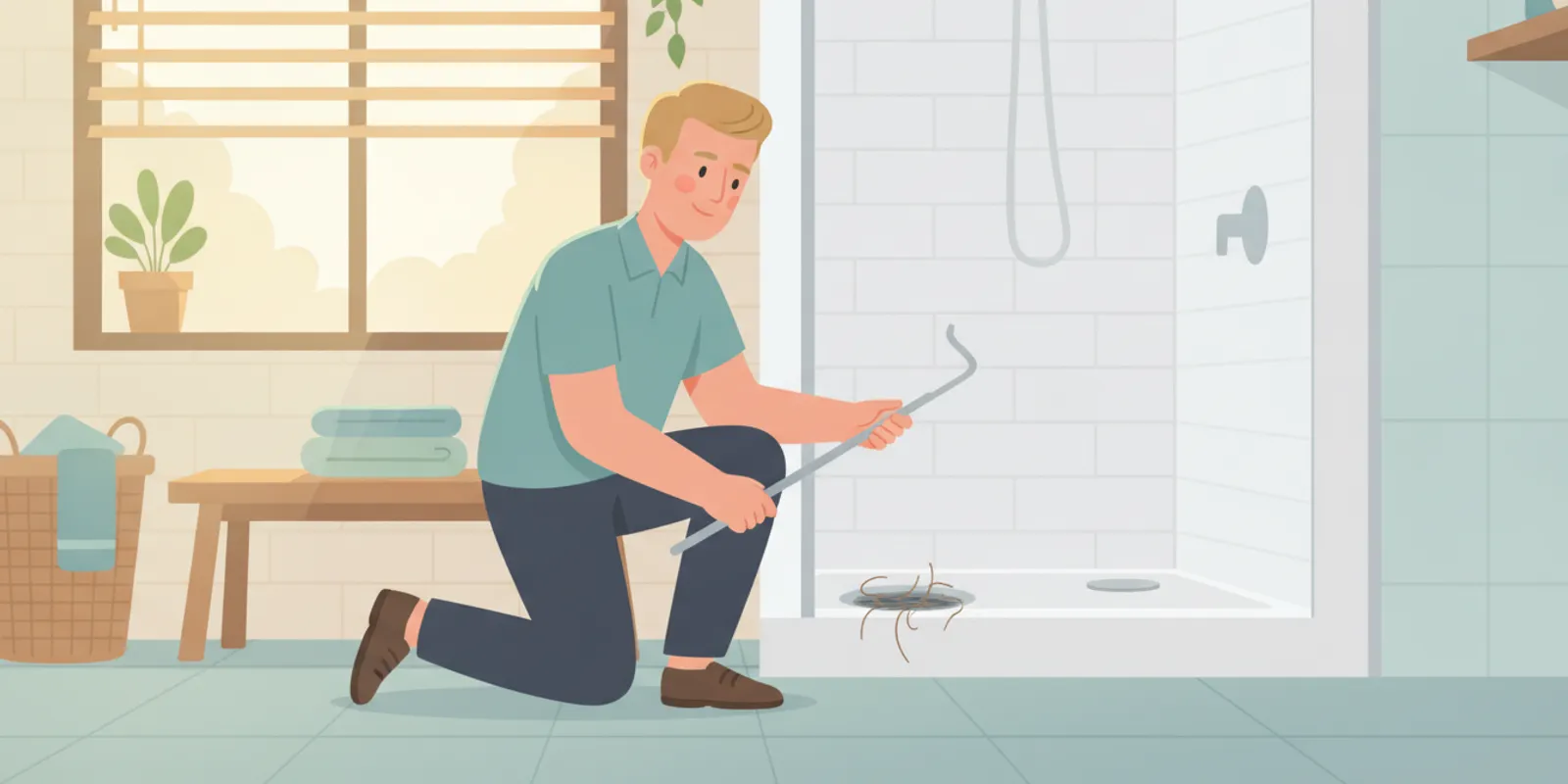
A slow or blocked shower drain can leave standing water, unpleasant odors, and questions about what to try next. Hair and soap residue are common contributors, but the location and pattern of the blockage matter. This guide explains safe first steps, what to avoid, and signs that a plumber should inspect the drain. A shower drain problem that keeps returning may need more than a quick surface cleanup.
Contact Miranda Plumbing and Air to discuss a drain concern
What can cause a shower drain to slow down?
Most shower clogs develop gradually. Hair can collect near the drain opening or combine with soap residue and other material inside the drain. Over time, that buildup narrows the path water uses to leave the shower.
A clog near the strainer may be reachable with simple cleaning. A blockage farther along the drain can be harder to locate. Mineral deposits, a foreign object, or a problem in a shared drain line may also affect drainage. The symptoms alone cannot always identify the exact cause.
Notice when the water slows. If one shower drains poorly while other fixtures work normally, the problem may be local to that shower. If several fixtures drain slowly, gurgle, or back up, the issue could involve a larger portion of the plumbing system.
The University of California, Irvine, lists hair as a common cause of sink and bathtub or shower drain clogs and advises keeping hair from washing down the drain: UCI's common plumbing issue guidance. A plumbing training program also describes hair, oils, and soap suds building up in bath or shower drain pipes: the plumbing program's overview of common house problems.
What should you check before trying a fix?
Start by observing the symptoms rather than forcing water through the drain. Note whether water pools only during a long shower or remains after the water is turned off. Check whether the drain is slow every time or only intermittently.
- Look for hair or visible debris around the drain cover.
- Notice whether nearby sinks, tubs, or toilets are draining differently.
- Watch for water backing up, bubbling, or gurgling.
- Pay attention to odors that persist after cleaning the shower area.
- Consider whether the slowdown began after an object fell into the drain.
Do not remove a drain cover if it is fixed in place, damaged, or requires tools you are not comfortable using. Avoid leaning into standing water or reaching blindly into a drain. If the cover is loose and lifts easily, you can remove it carefully and inspect the top of the opening.
Before using any cleaning product, read its label and consider what may already be in the drain. Never mix drain chemicals with each other, bleach, or other cleaners. If a chemical product has already been used, tell a plumber before requesting service.
Which safe first steps can you try at home?
For a mild slowdown, begin with the least invasive steps. Remove visible hair and debris from the drain opening while wearing gloves. Place the material in the trash rather than rinsing it back into the plumbing.
If the drain cover is designed to lift out easily, clean it separately and return it securely. Use a flashlight to look for material near the opening, but do not push tools deep into the pipe. A plastic drain-cleaning tool may be appropriate only when its instructions allow use with your drain and it can be inserted without force.
Run a modest amount of warm water and check whether it drains normally. Do not assume that hotter water is better. Very hot water can create a scalding risk and may not solve a blockage deeper in the pipe.
A plunger can sometimes help with a simple clog, but it should be used carefully. Make sure the cup fits over the drain opening and that there is enough water to form a seal. Use controlled pressure rather than aggressive force. Stop if water begins rising elsewhere or the drain makes unusual sounds.
Give the drain time to respond after each step. Trying several methods in quick succession makes it harder to know what changed. If the water level rises, the clog becomes worse, or the same slowdown returns soon afterward, stop and arrange an assessment.
Can baking soda and vinegar clear a shower drain?
Home remedies are often presented as a sure fix, but no simple mixture can reliably remove every type or location of clog. Baking soda and vinegar may fizz when combined, yet that reaction does not prove that a blockage has cleared.
Do not rely on a home mixture when standing water remains, when the clog is recurring, or when you suspect an object is lodged in the pipe. Avoid combining household products with commercial drain cleaners. Chemical reactions can create heat, fumes, or splashes that can injure you.
If you choose to use any product, follow its label exactly and do not add another substance afterward. Keep children and pets away from the area. If a product does not work as directed, do not keep repeating the application.
Which drain-cleaning methods should you avoid?
Some quick fixes can turn a minor slowdown into a safety concern or a more difficult service call. Avoid these approaches:
- Mixing cleaners: Never combine chemical drain products, bleach, vinegar, or other cleaners.
- Pouring repeated chemicals into standing water: The product may remain in the shower and create a splash or exposure risk.
- Forcing wire, knives, or improvised tools into the pipe: Sharp or rigid objects can damage components or become stuck.
- Using a powered drain tool without training: Equipment can catch, injure the user, or damage the drain.
- Applying excessive force with a plunger: Stop if water backs up elsewhere or the drain reacts unexpectedly.
- Ignoring a persistent sewage-like odor or backup: These symptoms deserve prompt attention rather than repeated home experiments.
Do not use a chemical treatment as a substitute for identifying a repeated blockage. A drain that clears briefly and then slows again may have an underlying restriction. Repeated treatment can expose household members to chemicals without resolving the cause.
How can you tell whether the clog is local or farther down the line?
Homeowners can gather useful clues, but symptoms do not confirm the precise location. A slow shower with normal drainage elsewhere may point toward the shower opening or its branch drain. Several affected fixtures can indicate a broader issue that needs professional diagnosis.
| What you notice | Possible meaning | Practical next step |
|---|---|---|
| Hair and debris visible at the opening | A surface-level obstruction may be contributing | Remove visible material carefully and monitor the drain |
| One shower drains slowly; other fixtures seem normal | The restriction may be close to that fixture, though this is not certain | Try only a gentle, safe cleaning step; stop if it persists |
| Several drains are slow or gurgling | A shared line or a larger drainage issue may be involved | Pause DIY work and contact a plumbing professional |
| Water backs up into another fixture | The issue may extend beyond the shower drain | Stop running water and arrange prompt plumbing assessment |
| The clog repeatedly returns after clearing | Material may remain farther into the drain or the cause may recur | Ask for diagnosis rather than repeating the same temporary fix |
Use this comparison as a guide for deciding what to do next, not as a diagnosis. Plumbing layouts vary from home to home. A plumber may need to inspect the drain and determine whether the restriction is limited to one fixture or affects a larger section.
If water is backing up into multiple fixtures or drainage is affecting more than the shower, review the available plumbing services for homeowners and contact a professional. Do not keep running water to test a drain that is already backing up.
When should you stop troubleshooting and call a plumber?
Call for professional help when basic, careful cleaning does not restore drainage. A plumber should also assess a clog that returns repeatedly, a drain that is fully blocked, or a problem that affects multiple fixtures.
Stop DIY attempts if you notice water backing up, a persistent foul odor, gurgling in nearby fixtures, or water appearing where it should not. These signs do not establish a particular failure, but they make repeated plunging or chemical use a poor next step.
Professional help is also sensible if an object may have fallen into the drain, the cover cannot be removed safely, or you are unsure what product has already been used. Share what you observed and any steps you tried. That information can help the plumber plan a safer inspection.
For a suspected plumbing leak or moisture concern beyond the drain opening, learn about water leak detection and repair. A shower drain clog and a leak are different concerns, so explain the location and symptoms rather than assuming one caused the other.
If water is actively spreading, keep people away from the affected area and avoid using the shower. If it is safe, limit additional water use until the source is understood. For an urgent plumbing concern, the emergency plumber service page explains the available contact path.
What can a plumber check during a drain assessment?
The appropriate inspection depends on the symptoms and the home's plumbing layout. A plumber may ask when the problem began, whether other fixtures are affected, and which steps or products have already been used.
Depending on the situation, the plumber can assess the drain opening and accessible components, then determine whether further diagnosis is needed. Do not assume a particular tool or repair will be required before the cause is identified.
Ask what the inspection found, where the restriction appears to be, and what work is recommended. You can also ask what the proposed work addresses and whether any follow-up care is needed. Clear answers help you compare the recommendation with the symptoms you observed.
Call Miranda Plumbing and Air has served the Treasure Coast since 1981. Homeowners can learn more about the company's background and service approach before deciding how to proceed.
How can you help prevent another shower drain clog?
Small habits can reduce the amount of hair and debris entering a drain. They cannot prevent every blockage, but they may help limit common buildup near the opening.
- Use a drain cover or hair catcher that fits your shower opening and remains stable during use.
- Remove collected hair after bathing and put it in the trash.
- Clean the cover regularly so buildup does not accumulate around its openings.
- Do not wash wipes, cotton swabs, or other solid items into the drain.
- Pay attention to gradual changes in drainage rather than waiting for a full blockage.
- Use only cleaning products according to their labels and never mix them.
Check that a hair catcher does not create a tripping hazard or interfere with the drain cover. Clean it as often as needed for your household. If the drain remains slow despite regular removal of visible debris, a deeper restriction may be present.
Prevention is most useful when paired with early attention to changing symptoms. A little pooling once may have a simple explanation, while recurring standing water deserves a closer look. Keep notes about when it happens and whether other drains are affected.
How can you describe the drain problem clearly?
A short symptom history can help a plumber understand what you are experiencing. You do not need technical terms. Describe what happens, when it happens, and whether anything else in the home has changed.
For example, explain whether water pools during every shower or only after several minutes. Say whether the drain clears slowly once the water stops. Mention if the problem began suddenly or developed over time.
- Identify the affected shower and whether nearby fixtures seem normal.
- Describe any gurgling, odor, backup, or standing water.
- List the safe steps you tried and whether they changed the symptoms.
- Name any drain product used, including when it was applied.
- Share whether an object may have fallen into the opening.
Avoid presenting a guess as a confirmed cause. Saying “the shower is slow and the nearby sink is normal” is more useful than deciding that the main line is blocked. If you are unsure whether another fixture is affected, simply say so.
Do not run extra water to recreate a backup or test a suspected blockage. A description of what you have already observed is enough to start the conversation. If water is actively spreading, explain that when you request help.
What should you ask before scheduling drain service?
A clear conversation helps set expectations before a service visit. You do not need to diagnose the clog yourself. Share specific observations and ask direct questions about the recommended next step.
- What information should I provide about the clog and symptoms?
- Should I avoid using the shower or nearby fixtures before the visit?
- What will the initial assessment involve?
- Will you explain the cause you find and the recommended work before proceeding?
- What factors could change the scope of the work?
- Should I mention a drain cleaner or home remedy that I already tried?
Write down when the problem started, which fixtures are affected, and what has changed. Mention any standing water, unusual sounds, odors, or previous attempts to clear the drain. This is more useful than guessing where the blockage is located.
Contact Miranda Plumbing and Air about a recurring or blocked shower drain
Frequently asked questions about shower drain problems
Is a slow shower drain always caused by hair?
No. Hair and soap residue are common causes, but other material or a restriction farther along the drain may also slow water. The symptoms alone cannot confirm the cause.
Can I use a store-bought drain cleaner?
Follow any product label exactly and never mix cleaners or add another product afterward. Avoid repeated applications, especially when standing water remains or the blockage keeps returning. Tell a plumber if you have used a chemical product.
Should I keep using a shower that drains slowly?
If water drains slowly but does not rise or spread, limit use and monitor the symptoms while arranging help if the issue persists. Stop using it if water backs up, affects another fixture, or threatens to overflow.
Why does the same shower drain clog again?
A temporary clearing may remove some material without addressing the full restriction. Hair can also collect again over time. A recurring clog needs assessment to understand what is happening rather than repeated forceful attempts.
How do I contact the plumbing team?
Use the contact page to describe the symptoms and request guidance. Call Miranda Plumbing and Air holds Florida plumbing license CFC1427227 and HVAC license CAC1815486.
A shower drain that stays slow, repeatedly clogs, or affects other fixtures deserves a careful assessment. Start with safe observations, avoid harsh or forceful experiments, and share the symptoms with a plumbing professional.
Need plumbing or HVAC service on the Treasure Coast?
Contact Miranda Plumbing & Air