
Plumbing Inspection Cost: What Homeowners Should Know
If you are researching plumbing inspection cost, first pin down what the inspection needs to determine. A general visual check, leak investigation, and camera assessment involve different work. The right scope depends on your concern, the home, and accessible plumbing. This guide helps Treasure Coast homeowners compare inspection proposals without relying on a one-size-fits-all price.
Discuss your plumbing inspection needs
Why does plumbing inspection cost vary?
There is no single price for every plumbing inspection. The term can describe a visual review of accessible components, evaluation of a specific symptom, or diagnostic work using specialized equipment. Those visits have different goals and labor requirements.
Before comparing estimates, identify the question you want answered. A buyer may want a broad overview of visible plumbing. A homeowner with a damp cabinet may need help locating a leak. A recurring drain problem may call for a closer look inside a pipe.
Several practical factors can affect the work and the estimate:
- Purpose: A routine condition review differs from troubleshooting an active leak or repeated blockage.
- Access: Exposed connections are easier to assess than plumbing behind walls, under floors, or in cramped spaces.
- Home layout: Bathrooms, fixtures, and plumbing areas can change how much time a thorough review takes.
- Diagnostic tools: Camera inspection or leak-detection equipment may suit a particular concern, but is not required for every visit.
- Timing: An urgent call outside ordinary scheduling can involve different arrangements. Ask how timing affects the estimate.
- Findings: An inspection may identify a repair that needs a separate scope and estimate.
- Documentation: A written report, photos, or a verbal summary may be handled differently. Ask what you will receive.
A price without a defined scope is difficult to evaluate. Ask what the quoted visit includes, what it excludes, and whether additional diagnostic work requires your approval. Request clarity before the appointment, not after work has expanded.
What kinds of plumbing inspections can homeowners request?
People use the word inspection to mean different things. A general service appointment is not necessarily a formal real-estate, insurance, or code inspection. Confirm the purpose before booking so the visit is matched to your question.
If you are preparing for a home purchase, share that context when you call. Ask whether the provider offers the exact inspection format you need, what areas are accessible, and whether its documentation meets the requesting party's requirements. Do not assume a general appointment satisfies a specialized checklist.
For an existing home, consider the difference between proactive review and symptom-driven diagnosis. A proactive review can help you understand visible plumbing conditions. A diagnostic call typically starts with a defined symptom, such as moisture in one area or a drain that repeatedly slows. The technician's observations remain limited by access and the agreed scope.
That distinction matters when comparing offers. A broad description like “whole-home inspection” can mean different things from one provider to another. Ask for examples of areas checked and limitations, rather than relying on a label alone.
What does a general visual review cover?
A visual review focuses on plumbing components that are reasonably accessible. Depending on the agreed scope, a plumber may look at visible supply lines, drain connections, fixtures, water-heating equipment, and signs of moisture or corrosion. A visual review cannot establish the condition of every concealed pipe.
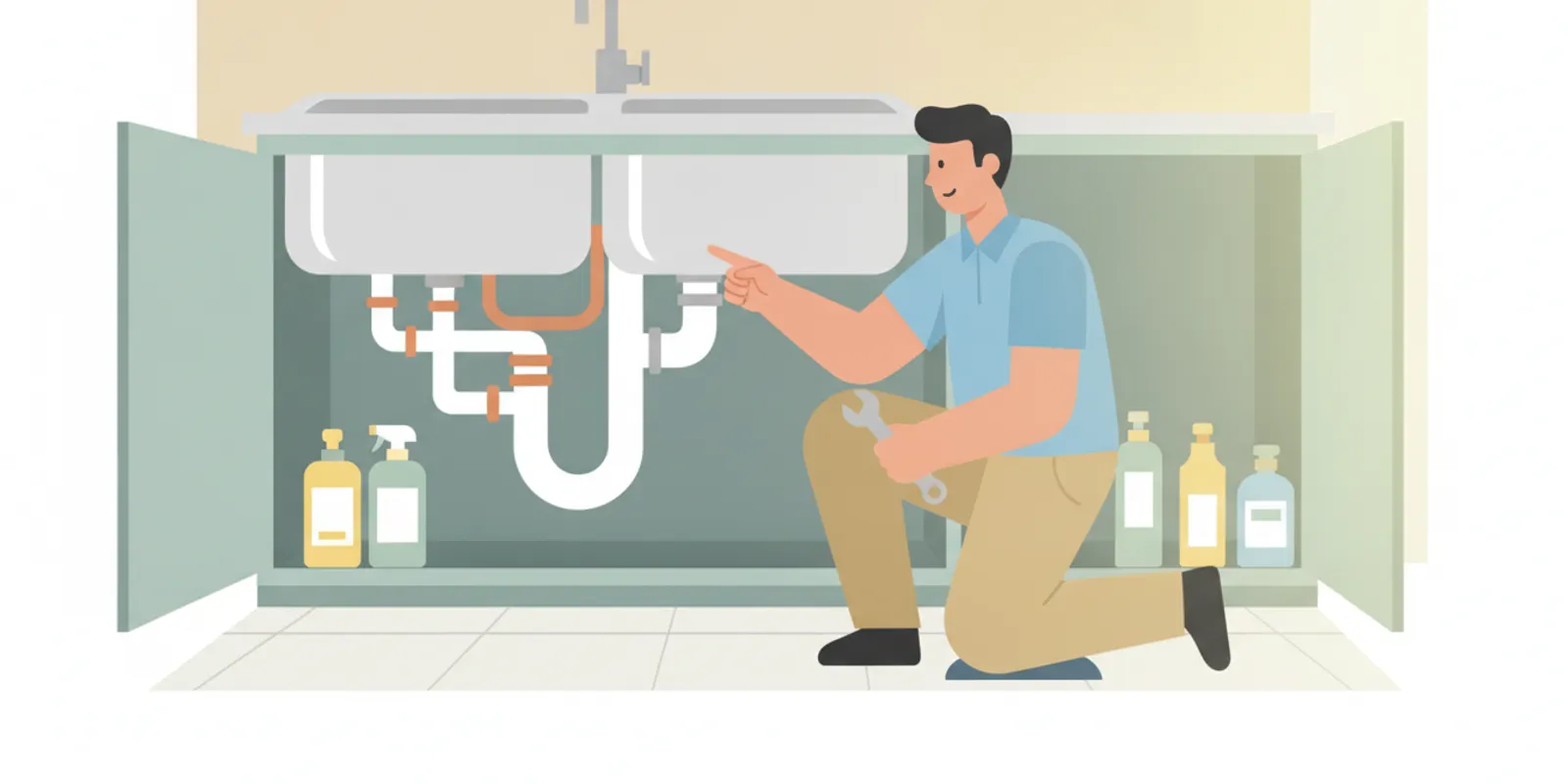
For example, a plumber might see a damp fitting under a sink and note corrosion on an exposed connection. That observation can guide a discussion about repair. It does not prove that every concealed line elsewhere in the home is sound. Ask which areas the visit can reasonably assess.
When is a leak-focused investigation appropriate?
If you see unexplained moisture, hear water when fixtures are off, or notice a persistent damp area, describe those details. A leak investigation aims to narrow down a possible source. Location, materials, and access can affect the diagnostic steps.
Do not assume staining identifies the source. Water can travel before it appears on a wall, ceiling, or floor. Share when you first noticed the symptom, whether it changes after using a fixture, and whether it has spread.
For a suspected leak, learn about water leak detection and repair. Photos and a short timeline can help explain what you observed, but they cannot replace an on-site assessment.
Could a drain concern need a camera?
Recurring slow drains, backups, or unusual gurgling can point to a drainage concern. A discussion can determine whether an initial assessment is appropriate or whether a camera inspection may help evaluate a line. A camera is a diagnostic option, not an automatic part of every visit.
Explain whether one fixture or several are affected. A single slow bathroom sink suggests a different pattern from several fixtures backing up together. Neither pattern alone proves a particular cause. It helps the plumber decide what question to investigate first.
What might an inspection include?
The exact checklist should be agreed before work begins. This comparison shows common goals, possible focus, and useful questions. It does not promise that every item is part of a particular appointment.
| Inspection goal | Possible focus | Ask before scheduling |
|---|---|---|
| General condition | Accessible fixtures, visible connections, and signs of leaks or wear | Which areas are included, and are concealed pipes excluded? |
| Suspected leak | Reported moisture, nearby plumbing, and possible diagnostic steps | What methods may be used, and is further testing separately approved? |
| Recurring drain issue | Affected fixtures, drain symptoms, and whether a camera is appropriate | Does the estimate include camera work or only an initial assessment? |
| Water-heater concern | Visible connections and symptoms associated with the unit | Is this a general review or focused water-heater service? |
Use the table to compare scope, not to assume a specific inspection standard. A useful estimate describes the visit in plain language and explains how optional diagnostic steps are handled. Ask whether the provider will pause and discuss findings before adding work.
Call Miranda Plumbing and Air provides residential plumbing services, including leak detection and water-heater service. For a focused hot-water issue, review water heater repair information.
How can you compare estimates fairly?
Separate the initial assessment from work that might follow. An inspection can reveal a condition without resolving it. If a repair is recommended, its scope may depend on material, location, access, and extent. Those details are not always knowable before an initial assessment.
Consider a homeowner who sees water under a sink. The first assessment may focus on visible supply and drain connections. If those connections appear dry while the cabinet remains damp, further investigation may be proposed. That step could involve a different area or method. This is a decision example, not a guaranteed sequence or price.
Now consider several slow drains. The provider may ask whether the symptoms began together, whether a toilet or shower is also affected, and whether the issue returns after clearing. Those details help distinguish the reported pattern from an isolated fixture complaint. They do not establish a diagnosis before the plumbing is assessed.
Ask whether the visit fee covers evaluation only, whether any repair is included, and how you will approve further work. If the provider cannot determine the full scope yet, ask what information will be available after the first visit. A clear answer is more useful than an estimate with unstated assumptions.
Two estimates are comparable only when you understand what each includes. One may cover an initial visual assessment, while another may include a specific diagnostic method. Compare stated work and possible extra charges rather than choosing by the bottom line alone.
- Describe the purpose. State whether you need a general review, leak investigation, drain assessment, or another specific answer.
- Confirm covered areas. Ask which fixtures, rooms, or accessible components the technician expects to review.
- Clarify tools. Find out whether camera work or specialized leak detection is included, optional, or outside the initial estimate.
- Ask about approval. Confirm whether the plumber will explain findings and provide a separate repair estimate before proceeding.
- Understand exclusions. Ask whether concealed plumbing, access openings, repairs, or follow-up visits are excluded.
- Request written scope. A clear description gives you something concrete to compare and refer to later.
- Check documentation. Ask whether findings are explained verbally, documented in writing, or accompanied by photos when appropriate.
When an estimate identifies a repair, ask what was observed, why the proposed work addresses it, and whether alternatives exist. Ask what could happen if you wait, when that is relevant. You should understand the recommendation before deciding.
What can you do before the plumber arrives?
A little preparation can make the visit more focused. You do not need to diagnose the plumbing yourself. Gather observations and make relevant areas accessible when it is safe.
- Write down when the problem began and whether it is constant or intermittent.
- Note which fixtures are affected and whether symptoms happen together.
- Take clear photos of visible moisture or staining, if doing so is safe.
- Point out prior repairs or changes you know about, without guessing about hidden conditions.
- Move stored items away from accessible cabinets or equipment when convenient.
- Tell the plumber if you notice active leaking, standing water, or a change in the situation.
- Keep any written estimate or service notes available, if the issue has been assessed before.
Do not remove panels, enter unsafe spaces, or attempt work on plumbing connections to prepare. If water is actively escaping, use a safe, accessible shutoff only if you know how. Explain what happened when requesting help.
It can help to make a simple symptom log. Record the date, affected fixture, what was in use, and what you noticed. For example, note whether dampness appeared after running the dishwasher or was present before any water use. Avoid treating a pattern as proof of the source. The record is simply useful context for the inspection.
When should you schedule an inspection?
Consider asking for professional guidance when a plumbing symptom persists, returns after a temporary measure, or has no clear explanation. Visible corrosion, recurring drain backups, unexplained dampness, and inconsistent fixture performance can justify a conversation about an appropriate assessment.
Not every minor change signals a major problem. The point of an inspection is to gather information and decide on a reasonable next step. Avoid waiting if water is actively damaging the home or a fixture cannot be used safely.
Homeowners can review Treasure Coast service areas or discuss the concern with the team. For urgent plumbing needs, the emergency plumbing service page describes the relevant option.
What should you ask before approving work?
Use direct questions to understand the recommendation and avoid confusion about inspection versus repair. Consider asking:
- What exactly will this inspection help determine?
- Which parts of the plumbing will be checked?
- What findings would lead you to recommend further testing?
- Will I receive an explanation of findings and a written repair scope?
- Are additional diagnostic steps optional or separately estimated?
- What should I do if the symptom changes before the appointment?
- Will you explain any limitations caused by inaccessible areas?
Clear answers help you make an informed decision. If proposed work changes after the inspection, ask the plumber to explain why and obtain the updated scope before authorizing it. Keep the estimate with your notes so you can refer to the agreed work.
Frequently asked questions about plumbing inspection cost
Is a plumbing inspection the same as a repair visit?
Not necessarily. An inspection or diagnostic visit assesses a condition. Repairs may require separate labor, materials, and approval. Ask whether the estimate covers assessment only or includes a specific repair.
Does every inspection include a camera?
No. A camera can help with certain drain or sewer questions, but it is not needed for every general review. Describe the symptom and ask whether camera work fits the issue and estimate.
Can a visual inspection find a hidden leak?
A visual check may reveal visible evidence, but concealed plumbing can require additional diagnostic work. Ask what the initial assessment can establish and what further steps might be considered.
Should I ask for a fixed price before scheduling?
Ask for the visit price and a clear description of its scope. If the cause is unknown, confirm how the provider handles further testing or repair recommendations before those steps begin.
Does an inspection guarantee that every plumbing issue will be found?
No inspection can assess areas outside its agreed scope or access. Ask what was checked, what remained inaccessible, and whether any symptom calls for separate follow-up. A clear explanation of limits helps you interpret the findings.
Talk with Call Miranda Plumbing and Air about your plumbing concern
What is a practical next step?
Describe the symptom, ask what the inspection includes, and compare written scopes before approving additional work. Call Miranda Plumbing and Air serves homeowners across Florida's Treasure Coast. Plumbing license CFC1427227 and HVAC license CAC1815486. The Florida Department of Business and Professional Regulation is a government resource for licensing information.
For an estimate or to discuss the right service, contact Call Miranda Plumbing and Air and explain what you have noticed.
Need plumbing or HVAC service on the Treasure Coast?
Contact Miranda Plumbing & Air