
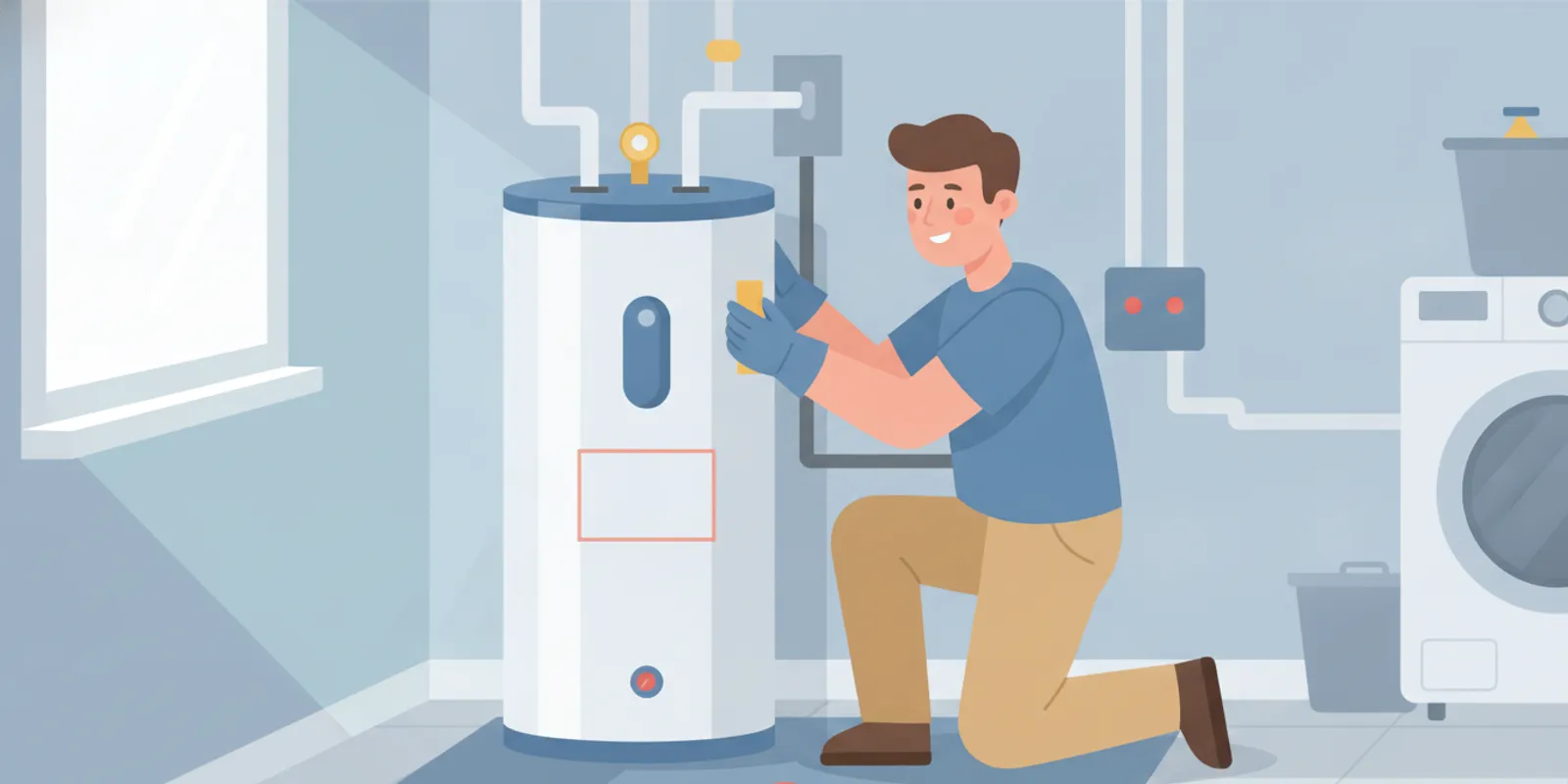
Hot Water Heater Repair: What to Check First
Hot water heater repair may be needed when showers turn cold, water temperature changes, or moisture appears near the tank. A few careful observations can help you decide what to do next. Start with safety, avoid opening equipment, and call a plumber when a leak, burning smell, or other urgent warning appears.
What should you check first when hot water stops?
Begin by noting what changed and whether the problem affects one fixture or the whole home. That simple distinction can help narrow the possibilities without touching wiring, gas connections, or internal heater parts.
- Check whether every faucet has little or no hot water, or only one faucet.
- Notice whether the water is fully cold, lukewarm, or hot for only a short time.
- Look around the heater for dripping, pooling water, rust-colored marks, or damp flooring.
- Listen for unusual popping, rumbling, hissing, or repeated clicking.
- Record when the issue began and whether it followed a power interruption or plumbing work.
If one sink or shower is affected, the problem may be at that fixture or its branch plumbing. If hot water is missing throughout the house, the heater or its supply deserves attention. These observations do not confirm a fault, but they help a technician ask focused questions.
Use caution near the equipment. Do not remove access panels, touch exposed wires, adjust gas components, or attempt to open a pressurized tank. If you see water near electrical equipment, keep clear and request qualified help.
Which symptoms can point to a water heater problem?
Different symptoms can come from different components, and one symptom rarely identifies the failed part by itself. A professional assessment can distinguish a heater issue from a plumbing or fixture problem.
No hot water
A complete loss of hot water can involve the power supply, a control, a heating element, a gas burner, or another component. The cause depends on the heater type and its condition. Avoid taking the cover off to inspect internal parts.
Water runs warm, then turns cold
Short-lived hot water may reflect a change in household demand, a heater that is not recovering normally, or an internal problem. Think about how many people showered or used hot water recently. If the pattern repeats during ordinary use, arrange an inspection rather than repeatedly resetting equipment.
Temperature varies or seems too high
Water that shifts between hot and lukewarm can make bathing uncomfortable. Water that seems unusually hot can create a scald risk. Do not keep testing with your hand. Limit use and ask a plumber to evaluate the heater and its controls.
Noise, odor, or discolored water
New rumbling or popping sounds, a persistent unusual odor, or rusty-looking hot water are worth reporting. A sound may have more than one cause, and discoloration can originate elsewhere in the plumbing. Note whether it occurs at every hot-water tap or only one location.
Water around the heater
Moisture may come from a fitting, a connected pipe, a drain, or the tank itself. Wipe no connections and do not tighten parts under pressure. If water is actively spreading, protect people and belongings while keeping away from electrical hazards. A tank leak warrants prompt professional attention.
What can you safely check on an electric heater?
For an electric heater, a tripped circuit breaker or a heater switch that has been turned off may be relevant. Texas A&M’s water heater maintenance material identifies those as checks for an electric unit. See its water heater care and maintenance guidance.
You may look at the breaker panel from a safe position and note whether the labeled breaker appears tripped. Do not remove the panel cover or repeatedly reset a breaker that trips again. A breaker that will not stay set needs qualified evaluation, since repeated resets can be unsafe.
Do not open the heater’s access panel or handle wiring. Electrical water heaters can involve hazardous voltage, and a simple-looking symptom does not reveal the underlying fault. Tell the plumber whether the breaker was tripped, but leave diagnosis and repair to a qualified professional.
What can you safely check on a gas water heater?
For a gas unit, look from a safe distance for visible damage, water, or an unusual smell. Do not relight a pilot, adjust a gas valve, disconnect a vent, or take apart the burner assembly unless the manufacturer directs a safe user procedure. Follow it only if you can do so exactly. When uncertain, stop and call for help.
If you smell gas, leave the area. Do not operate switches, use a flame, or try to locate the leak. Contact the gas utility or emergency responders from a safe location, following local emergency guidance. For a carbon monoxide alarm or symptoms that concern you, leave the home and contact emergency services.
Keep the area around a gas heater clear, and do not block vents. A venting concern, soot, flame irregularity, or repeated pilot problem calls for professional attention. Tell the technician what you observed rather than trying to adjust the appliance.
How urgent is the problem?
Use the symptom and its immediate risk to decide whether to request routine scheduling or urgent help. The table is a guide for next steps, not a diagnosis.
| What you notice | First safe response | Next step |
|---|---|---|
| No hot water, with no visible hazard | Check whether the issue affects all hot-water fixtures; note any breaker change. | Schedule a water heater assessment if the problem continues. |
| Water is too hot or temperature changes sharply | Limit use and avoid testing water by hand. | Ask a plumber to inspect the heater and controls. |
| Small amount of moisture near a connection | Keep the area observed; avoid tightening or opening parts. | Arrange prompt evaluation and describe where moisture appears. |
| Active leak or water spreading | Keep people away from electrical hazards; protect belongings only if safe. | Request urgent plumbing help. |
| Gas odor, carbon monoxide alarm, or suspected vent problem | Leave the area and follow emergency or utility guidance. | Contact the appropriate emergency service or gas utility from safety. |
A minor-looking leak can worsen, so do not assume it will stop on its own. If the source is unclear, or the heater is in a location where water could damage floors or belongings, explain those conditions when calling.
What information should you gather before calling?
A short, clear description helps the service team understand what is happening. You do not need to diagnose the heater or perform tests. Collect information only when you can do so safely.
- Describe the symptom, when it began, and whether it is constant or intermittent.
- Say whether every hot-water fixture is affected or only one.
- Note visible moisture, corrosion, unusual sounds, or a change in water color.
- Share the heater’s fuel type and any visible model information, if easy to read.
- Explain whether the home has had a recent outage or plumbing change.
- Mention any immediate hazard, such as active water, a gas odor, or an alarm.
Do not delay a safety call to find paperwork or a model number. A photo can help explain a visible condition, but do not approach a hazard or remove a cover to take one.
For service context, review the company’s plumbing services or its specific water heater repair service. For a local option, see water heater repair in Stuart. Service availability depends on the location and issue.
How does a plumber assess a water heater?
A plumber will ask about the symptom, heater type, and recent changes. The inspection may include the visible tank, connections, controls, and related plumbing. The appropriate checks depend on the equipment and the reported condition.
After identifying the likely issue, the plumber can explain whether repair is practical or whether replacement deserves discussion. Ask what failed, what work is proposed, and whether there are other conditions that affect safe operation. A clear explanation should connect the recommendation to the symptoms and inspection findings.
When replacement is being considered, the scope may depend on the existing setup and the selected equipment. Review the company’s water heater installation and replacement information to understand that it is a separate decision from diagnosing the current fault. This article does not assume that replacement is needed.
If the problem includes a suspected plumbing leak, related water leak detection and repair may also be relevant. The plumber can determine whether the leak is at the heater or elsewhere. For area information, consult the service area list.
How can you compare repair options?
Do not compare proposals by the repair label alone. Ask what the technician found, which parts or labor are included, and what conditions could change the scope. Make sure the explanation separates confirmed findings from possibilities that need further inspection.
- Ask which observed symptom the proposed work is intended to address.
- Request an explanation of any recommended part and the reason it needs attention.
- Clarify whether the quote includes testing the heater after the repair.
- Ask whether a separate issue, such as a pipe leak, is outside the proposed work.
- For replacement discussions, ask how the recommendation compares with repair and why.
Water heater age alone does not prove a particular component has failed. Likewise, one repair does not guarantee that unrelated parts will never need attention. A useful recommendation explains the present evidence, the options, and the limits of what can be known before work begins.
How can household use affect hot-water symptoms?
Hot water use changes throughout the day. Several showers, laundry, or dishwashing close together can use stored hot water faster than the heater can replenish it. A brief shortage after unusually heavy use may differ from a repeated failure during normal routines.
Keep a simple note for a day or two if there is no immediate hazard. Record when hot water runs out, how long it takes to return, and which fixtures were used. Do not postpone service when water is leaking, temperatures become unsafe, or symptoms are getting worse.
Storage and tankless systems deliver hot water differently, so expectations vary by equipment and household demand. A tank system stores heated water for use, while a tankless system heats water as it flows. Neither type should be diagnosed from one shower alone. Tell the plumber the heater type if you know it, and describe the pattern rather than guessing at a failed part.
What should you expect during the service visit?
Before the appointment, make a clear path to the heater if it is safe to do so. Keep children and pets away from the work area. Do not move a wet appliance, disconnect a pipe, or handle equipment to make room.
Share the notes you collected, including the timing, affected fixtures, and visible changes. If the problem comes and goes, mention when it last happened. A technician may ask whether the heater uses electricity or gas, where it is located, and whether the home has had a recent outage.
Ask the technician to explain the findings in everyday language. Useful questions include: What did the inspection show? Which work is necessary now? What does the quote include? Ask whether any safe temporary measure is available while the repair is arranged. Clear answers help you understand the scope without needing to interpret technical terms yourself.
Keep copies of repair details and any equipment information provided. If the same symptom returns, those records can help explain what changed and what work was completed. Follow the manufacturer's operating and maintenance instructions for your specific model, rather than relying on generic advice for a different heater.
How can you reduce confusion if symptoms return?
Describe the result of the repair, not only that the heater still seems wrong. For example, say whether hot water returns briefly, whether only one bathroom is affected, or whether a new sound began after service. Specific observations support a more useful follow-up discussion.
If you notice a new leak or another immediate hazard, treat that as a new safety issue. Do not wait for an ordinary follow-up appointment if water is spreading or you smell gas. Move to a safe location and request the appropriate urgent assistance.
A recurring issue does not automatically mean the earlier repair was incorrect. The original symptom may have more than one cause, or a separate condition may have appeared. Ask the service provider to explain how the new information changes the assessment.
What details make a repair conversation more useful?
Try to describe what you can observe without assigning a cause. “The water is warm for five minutes at every shower” gives a clearer starting point than “the element is broken.” If the problem happens only at certain times, mention that pattern too.
Separate facts from guesses when you speak with the service team. You might know that the breaker tripped, but not why it happened. You might see water near a pipe, but not know whether it came from the heater. A careful description gives the technician useful context without suggesting an unsafe repair.
Also mention changes that affect access or urgency, such as a heater in a closet, water near stored belongings, or an alarm sounding. Do not enter a confined or unsafe area to inspect it. Your safety matters more than collecting details.
When should you avoid do-it-yourself repair?
Stop and seek professional help when work involves electricity, gas, pressurized water, a vent, or internal heater parts. Avoid draining a tank, removing valves, bypassing controls, or attempting a repair based on a video that does not match your model.
Even routine-looking steps can vary by heater type and manufacturer. Incorrect handling can cause injury, water damage, or equipment problems. If you are unsure whether an area is safe, keep clear and describe the issue when requesting service.
Do not ignore an active leak or repeated loss of hot water. Prompt assessment can clarify whether a repair is needed and help you make an informed decision about the next step.
Contact Call Miranda Plumbing and Air to request service
Frequently asked questions about hot water heater repair
Should I reset the water heater if it stops working?
Do not repeatedly reset a breaker or heater control. If a breaker trips again, or you are uncertain about the heater, stop and arrange qualified evaluation.
Can one faucet have a hot-water problem while the rest work?
Yes. If only one fixture is affected, its faucet or local plumbing may be involved. Report which fixtures work and which do not.
Is water around the tank always a tank failure?
No. Moisture can come from a connection, pipe, drain, or the tank. A plumber can identify the source, but active spreading water needs prompt attention.
What should I do if I smell gas near the heater?
Leave the area without operating switches or using a flame. Contact the gas utility or emergency responders from a safe location, following local guidance.
How do I arrange service on the Treasure Coast?
Describe the symptom, location, heater type if known, and any safety concern when you contact the company. Call Miranda Plumbing and Air serves homeowners across the Treasure Coast. Plumbing license CFC1427227 and HVAC license CAC1815486.
Request a water heater inspection
Keep clear of unsafe equipment, note what changed, and arrange professional help when symptoms persist or a hazard appears.
Need plumbing or HVAC service on the Treasure Coast?
Contact Miranda Plumbing & Air