
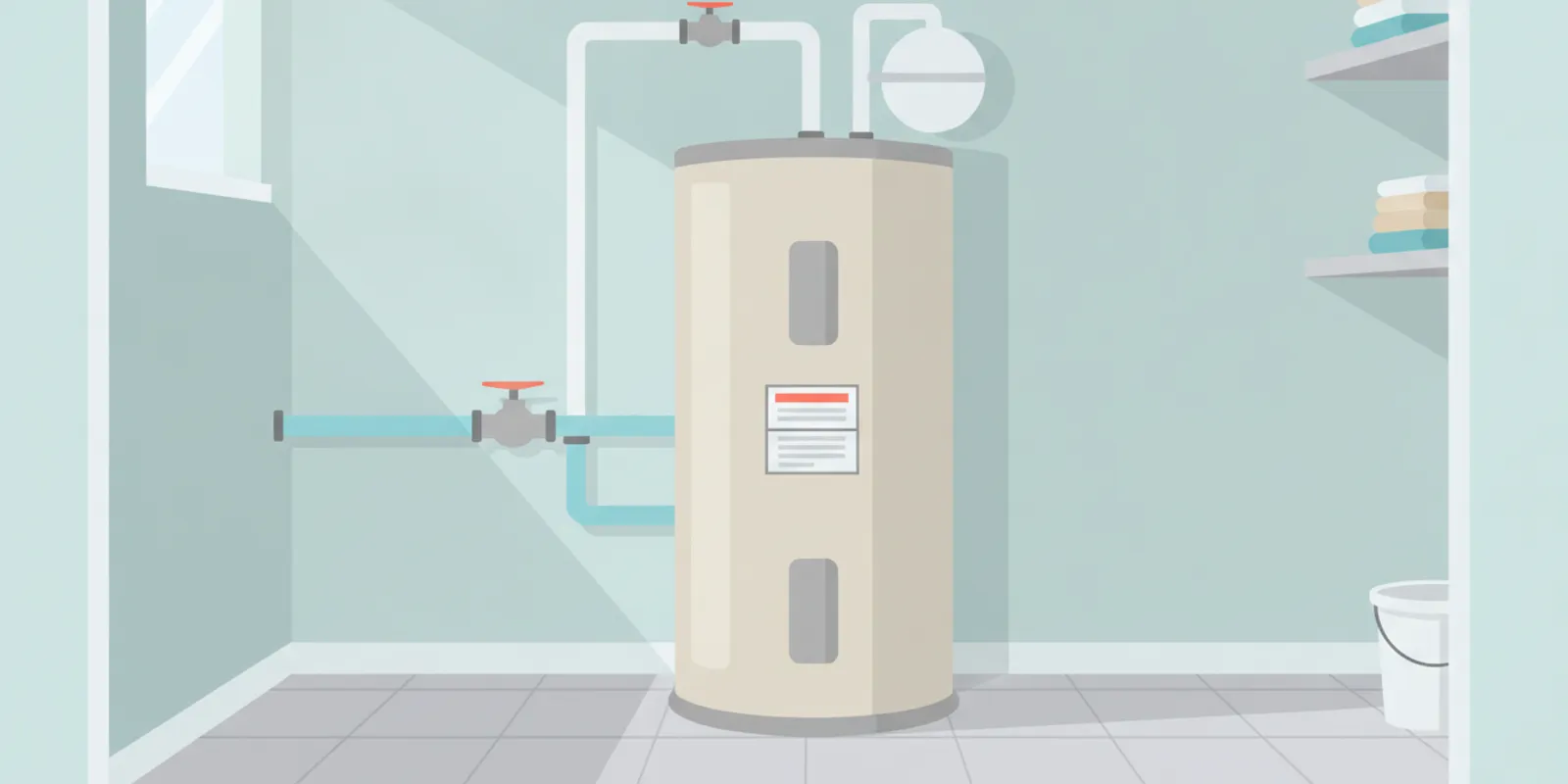
Hot Water Heater Expansion Tanks: What They Do
If you have heard a plumber mention a hot water heater expansion tank, you may wonder what it does and whether your home needs one. This small tank helps manage pressure changes as water heats. Whether it is appropriate depends on the plumbing system, its controls, and local requirements.
Talk with a plumbing professional
Expansion tanks are easy to overlook because they are not part of the large water heater that stores hot water. Yet the pressure conditions around a storage water heater can matter to the plumbing system. This guide explains the basic function, how to recognize when to ask questions, and what a professional should evaluate.
What Does a Hot Water Heater Expansion Tank Do?
Water expands as it warms. In a plumbing system that allows water to move back toward the supply, some of that added volume may flow away from the heater. In a closed system, a check valve, backflow device, or pressure-reducing valve can limit that movement.
An expansion tank provides a small space for the extra volume. Many common models contain a flexible diaphragm that separates water from a pressurized air chamber. As heated water expands, it can enter the tank and compress the air cushion. This helps moderate pressure changes within the system.
The expansion tank does not heat water, increase hot-water capacity, or repair a failing water heater. It is also different from the main storage tank. It is a pressure-management component connected to the plumbing near the heater.
For a general example of how code may address closed systems, Wisconsin's administrative code describes an expansion tank or another approved means for certain water heaters. That is a Wisconsin reference, not a statement of Florida code. A separate U.S. Department of Energy work specification also discusses expansion tanks where a storage heater's cold supply passes through a check valve, pressure-reducing valve, or backflow preventer. See Wisconsin's provision for closed water systems and the Solar Water Heater Standard Work Specifications.
When Might a Home Need an Expansion Tank?
The key question is whether the plumbing system is closed or otherwise limits expansion back toward the public water supply. A check valve, pressure-reducing valve, or backflow-prevention device can affect how water moves. The presence of one of these components is a reason to ask a qualified plumber about the arrangement.
That does not mean every house has the same equipment, or that one visible part alone settles the question. The water heater type, plumbing layout, pressure conditions, installed devices, manufacturer instructions, and applicable local rules all matter. A plumber can review those details together.
Requirements also vary by jurisdiction. One municipal FAQ explains that thermal expansion may need to be addressed when backflow prevention creates a closed system. It is useful background, but homeowners should rely on the rules and inspection guidance that apply where they live. Review Fairview, Oregon's thermal-expansion FAQ as an example, not Florida-specific guidance.
If a home has had a pressure-reducing valve or backflow device added, or plumbing work changed the system, ask whether the expansion arrangement was reviewed. Avoid assuming that a tank is required or unnecessary based only on a neighbor's home, a general online checklist, or the age of the water heater.
How Can You Tell Whether There Is a Problem?
Homeowners may notice pressure changes, a discharge from the temperature-and-pressure relief valve, or repeated trouble around a water heater. These observations can have several possible causes. They are not proof that the expansion tank is missing or defective.
A relief valve discharge deserves attention because the valve is a safety device. Do not cap, plug, or obstruct its discharge pipe. Do not repeatedly operate the valve as a test. If water is actively leaking or spraying, keep clear of hot water and contact a plumbing professional promptly.
Look from a safe distance for obvious exterior clues, such as corrosion, moisture, or damage around the expansion tank or its visible connections. Do not climb, remove covers, disconnect pipes, or try to adjust pressure. A tank may appear intact while an internal diaphragm or pressure condition still needs evaluation.
Keep a simple record of what you observe: when it happens, whether the heater has just run, and where water appears. Note any recent plumbing work or changes to the supply. This information can help a technician investigate without asking you to perform risky testing.
What Is the Difference Between a Normal Pressure Change and a Concern?
Some pressure change can occur as water heats. The important issue is whether the system manages that change as designed and remains within safe operating conditions. A single symptom rarely identifies the cause by itself.
For example, a relief-valve discharge could relate to excessive pressure, temperature, a worn valve, or another installation or equipment condition. A leak at a threaded connection may have a different cause. Replacing an expansion tank without checking the whole arrangement could leave the original issue unresolved.
Take recurring drips, visible corrosion, unusual noises, or a sudden change in hot-water performance seriously. These clues do not always signal an emergency, but they justify a proper assessment. If the water heater is leaking heavily, electrical equipment is exposed to water, or there is a scalding hazard, prioritize safety and request urgent help.
How Does a Plumber Evaluate an Expansion Tank?
A useful assessment starts with the complete water-heating system, not just the small tank. The plumber can identify whether the supply arrangement is closed, check for pressure-control or backflow devices, and review the water heater and connected piping.
The evaluation may include checking visible condition, the tank's support and connections, and whether its specifications suit the system. A professional can also assess pressure and compare the installation with manufacturer instructions and applicable plumbing requirements. The correct steps depend on the equipment and the home's layout.
Ask the plumber to explain what was checked and how the findings connect to the recommendation. If the tank is being replaced, ask whether the system's pressure controls and related components were considered. A clear explanation should distinguish a failed tank from a different source of pressure or leakage.
For general plumbing help and related services, see the plumbing services available from Call Miranda Plumbing and Air. The service page is not a substitute for an inspection of your particular installation.
What Should Homeowners Avoid Doing?
- Do not block a relief-valve outlet. It is designed to discharge water under certain conditions, and blocking it can create a serious hazard.
- Do not remove or loosen fittings. The system may contain hot water or be pressurized, and an opened connection can cause injury or property damage.
- Do not assume the tank's exterior tells the whole story. Internal condition and system pressure may require professional checks.
- Do not choose a replacement based only on appearance. Tank selection and installation need to fit the heater and plumbing conditions.
- Do not treat a general online rule as local approval. Confirm requirements with a licensed plumbing professional or the relevant local authority.
Homeowners can still help by keeping the area accessible, noticing changes, and sharing the water heater's age or model information when available. Take a photo from a safe position if it helps show the equipment. Leave testing and adjustments to a qualified professional.
Ask a plumbing professional about your system
What Affects Expansion Tank Selection and Installation?
There is no one-size-fits-all tank decision. The system's operating pressure, water heater capacity, the type of plumbing controls, and the manufacturer's requirements can affect the selection. Applicable local rules and the available installation space also matter.
The installer must consider where the tank can connect, how it will be supported, and whether the pipe arrangement is appropriate. The tank should not simply hang from unsupported piping if the installation requires separate support. Clearances and access should allow the water heater and connected components to be inspected and serviced.
For that reason, a reliable recommendation should identify the relevant factors instead of naming a size from a generic chart alone. The correct model and connection depend on verified conditions. A professional should explain any necessary changes to adjacent valves or piping before work begins.
If a new water heater is part of the project, ask how the expansion arrangement will be reviewed during installation. Call Miranda Plumbing and Air provides water heater installation and replacement. For an existing unit that needs diagnosis, the water heater repair page offers a relevant service path.
How Can You Compare Repair and Replacement Recommendations?
A replacement may be appropriate when the tank itself has failed, but the diagnosis should account for the rest of the system. Sometimes a pressure-control issue, connection, or another component needs attention. Ask what evidence supports the recommendation and whether the proposed work addresses the underlying condition.
Use these questions to make a discussion more specific:
- What features make this a closed system, if that is the diagnosis?
- Which pressure-control or backflow devices were identified?
- What condition was found at the expansion tank and its connections?
- How was the recommended tank selected for this water heater and system?
- Does the estimate include related piping, supports, valves, testing, or disposal?
- What work is optional, and what condition would make it necessary?
- Will the system be checked after installation, and what will that check confirm?
Written estimates can differ because they may include different scopes. Compare parts, labor, related corrections, and verification steps rather than comparing a single line item. If a water heater replacement is also being considered, ask for a separate explanation of that work and its cost factors.
Which Questions Help Clarify the Options?
A few direct questions can make the decision easier without asking you to become a plumbing expert. Start with the system condition and then clarify the work being proposed.
| Question to ask | Why it matters | What a clear answer should cover |
|---|---|---|
| Is the system closed? | The plumbing layout affects how thermal expansion is managed. | Identified valves or devices and how they affect the supply. |
| What is the source of the symptom? | Similar signs can have different causes. | Inspection findings, not just a guess based on one symptom. |
| Why this tank or repair? | Parts must suit the equipment and conditions. | Relevant pressure, heater, manufacturer, and local considerations. |
| What is included in the estimate? | Quotes may describe different scopes of work. | Parts, labor, related piping, support, and follow-up checks. |
| What happens after installation? | The work should leave the system ready for use. | How the professional will verify the completed work and explain findings. |
Homeowners in the Treasure Coast area can also review service information for plumbing and HVAC service in Stuart or service in Vero Beach. Availability and the best service option depend on the specific request and location.
When Should You Contact a Plumbing Professional?
Ask for an assessment if a plumber has identified a closed system without an expansion solution, if water repeatedly discharges from the relief valve, or if the expansion tank or connections show leakage or corrosion. Also ask questions when water-heater work or a plumbing-system change affects pressure controls.
Contact a professional promptly when you see active leaking, because water can damage nearby flooring, walls, or equipment. Keep people away from hot water and avoid touching wet electrical equipment. If the situation appears immediately hazardous, follow local emergency guidance.
When you call, describe what you observed and when it occurs. Share the water heater type if known, any recent plumbing changes, and whether the problem is ongoing. You do not need to diagnose the cause before asking for help.
Contact Call Miranda Plumbing and Air to discuss your water heater
Frequently Asked Questions
Does every water heater need an expansion tank?
No single answer applies to every installation. Whether one is needed depends on the system design, pressure-control devices, manufacturer guidance, and local requirements. A licensed plumber can evaluate the home's specific arrangement.
Can an expansion tank fix low hot-water supply?
An expansion tank manages pressure changes; it does not add hot-water capacity or directly correct every hot-water problem. Low supply can have other causes, so a plumber should diagnose the heater and plumbing system.
Can I replace the expansion tank myself?
It is safer to have a qualified plumbing professional assess and replace it. The work involves pressurized plumbing, hot water, proper support, and a tank suited to the system. Do not loosen fittings or attempt adjustments as a homeowner.
Does a leaking relief valve always mean the expansion tank failed?
No. A discharge is a symptom that needs evaluation, not a diagnosis. Pressure, temperature, valve condition, or other installation issues may be involved. Never cap or obstruct the relief-valve pipe.
What should I provide when requesting service?
Share the water heater type or model if available, what you noticed, when it occurs, and any recent plumbing work. Photos taken from a safe distance may help show the setup. Leave inspection and testing to the professional.
Ready to Discuss Your Water Heater?
A hot water heater expansion tank helps manage thermal expansion when a system's design limits water from moving back toward the supply. Whether a particular home needs one depends on the equipment, pressure conditions, and local requirements. Ask a licensed plumber to explain the diagnosis, options, and scope before work begins.
Schedule a conversation about your plumbing concern
Call Miranda Plumbing and Air is licensed in Florida for plumbing (CFC1427227) and HVAC (CAC1815486).
Need plumbing or HVAC service on the Treasure Coast?
Contact Miranda Plumbing & Air