
How to Maintain Home Plumbing Systems: Main Shutoff and Prevention
Routine plumbing checks can help you notice leaks early, find the main shutoff, and make better decisions about repairs. When age or recurring problems raise questions, understanding a water heater replacement service can also help you plan without rushing.
Contact Call Miranda Plumbing and Air to discuss plumbing service
What does practical home plumbing maintenance include?
Home plumbing maintenance is a repeatable set of visual checks and simple habits. It does not mean taking pipes apart or trying to repair hidden damage yourself. The goal is to spot changes, know where controls are, and call a qualified plumber when a problem needs diagnosis.
A short inspection every month or two can help you notice a new drip, a damp cabinet, or a change in water pressure. Check under sinks, around toilets, near the water heater, and anywhere a supply line or drain is visible. Look for moisture, corrosion, loose connections, and unusual staining.
Keep the area around plumbing equipment clear enough to see the floor and fittings. Store household items away from water heater access panels and shutoff valves. Do not cover equipment ventilation openings or alter a plumbing connection to create storage space.
Make a simple record of what you see. Note the date, location, and whether a mark is growing or returning after you dry it. A dated photo can help a plumber compare conditions over time, but it cannot identify the source on its own.
Where should you look for the main water shutoff?
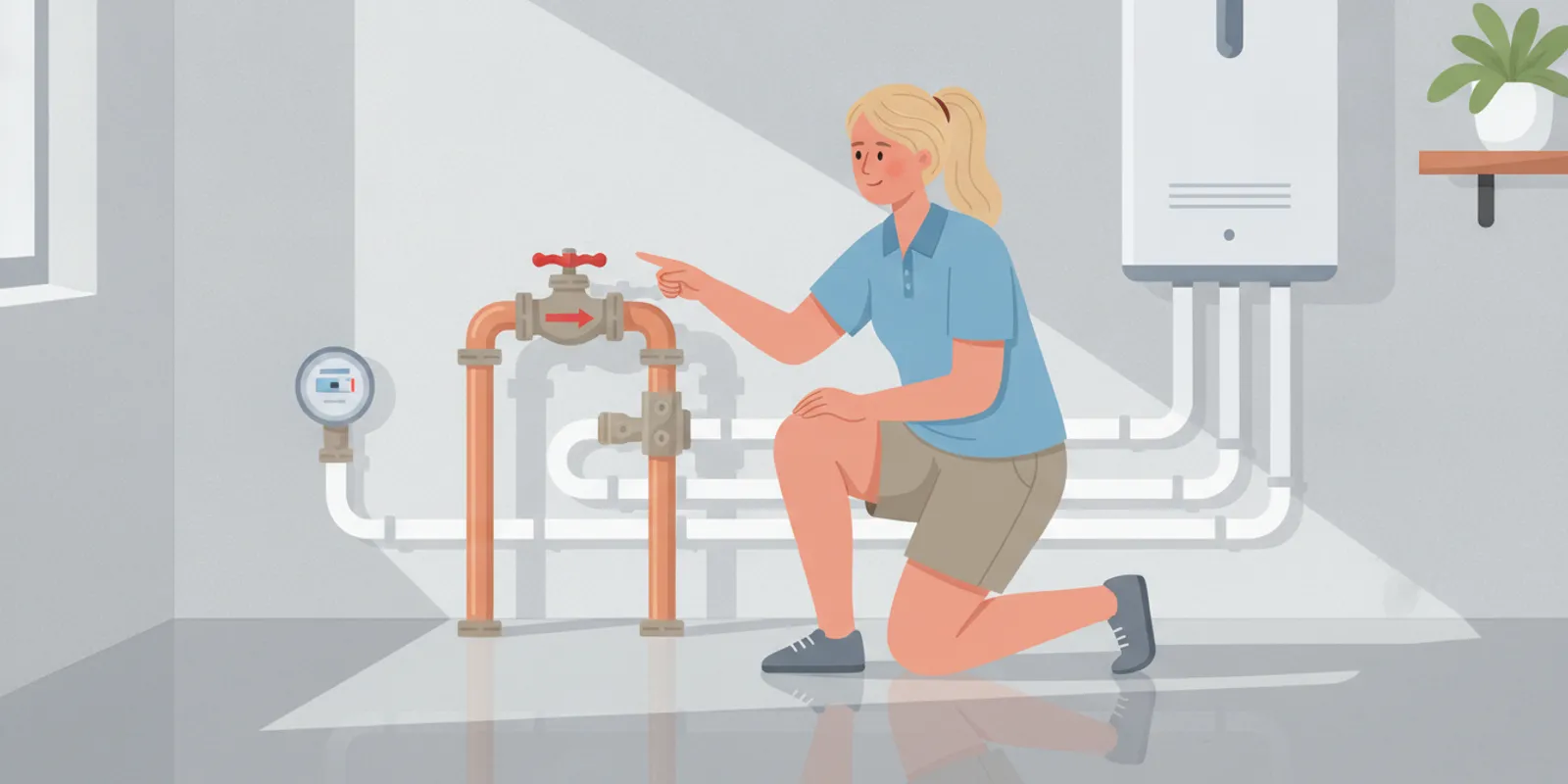
Find the main water shutoff before an urgent leak happens. In many homes, it is near where the water service enters the building. Possible locations include a utility area, garage, or an exterior wall. The layout varies, so do not assume every home has the same arrangement.
Look for a valve connected to the main incoming water line. A wheel-style handle may turn, while a lever-style handle may move a quarter turn. Do not force a stiff, corroded, or damaged valve. A valve that will not move safely should be checked by a plumber before an emergency.
If the valve is accessible and appears sound, ask your plumber to show you how it operates during a visit. Make sure everyone in the household knows its location. Keep the route clear, and label the valve in a way that is easy to recognize.
Some homes have more than one shutoff. Individual fixtures may have local valves, and a water heater may have a separate cold-water inlet valve. These controls are not substitutes for knowing the main shutoff. If you are uncertain which valve controls what, ask rather than testing it during a leak.
For more plumbing help, see the plumbing services available to Treasure Coast homeowners. A professional can help assess an inaccessible or unreliable valve and explain the appropriate next step.
How can you reduce the chance of leaks and water damage?
Start with observation and gentle care. Avoid hanging heavy items from exposed pipes or leaning stored belongings against valves. Do not use a pipe or supply line as a handle. Pressure or repeated movement can stress a connection.
- Check beneath sinks for dampness, drips, or swelling in the cabinet floor.
- Look around toilets for water at the base or a soft, discolored floor.
- Inspect visible supply lines for kinks, rust, bulges, or damp fittings.
- Notice whether a faucet, toilet, or drain behaves differently than usual.
- Keep drains clear of grease and objects that do not belong in them.
- Pay attention to unexplained changes in your water bill or water use.
These checks do not require opening a wall or disconnecting plumbing. If you see a recurring wet spot, stain, bubbling paint, or musty odor, document it and arrange an assessment. A surface clue can have more than one cause, so avoid assuming the source.
When a leak is active, protect people first. If water is near an electrical outlet, appliance, or electrical panel, do not step into standing water or touch electrical equipment. Move away and contact the appropriate emergency help. If it is safe to reach the main shutoff, closing it may limit additional water flow.
For a suspected leak, use the dedicated water leak detection and repair service information. If the leak is urgent, review the emergency plumbing service option and explain what you can observe.
What should you check around a water heater?
Include the water heater in your visual checks, but leave its internal components to a qualified professional. Look for moisture around the base, damp fittings, rust-colored marks, or signs that water has reached nearby flooring. Note unusual sounds or a change in hot water, without opening the cabinet or removing covers.
Keep a clear path to the unit and avoid placing stored items against it. Do not block access to its controls, disconnect a line, or adjust a relief device. If you notice active leaking, stop using nearby electrical controls when water creates a hazard, and seek professional guidance.
A water heater issue does not always mean the unit must be replaced. A plumber can inspect the equipment, connections, and reported symptoms to determine whether repair, maintenance, or replacement is appropriate. Ask what was found and what the recommended work addresses.
Learn about water heater repair options if hot water changes or visible moisture concern you. If inspection points toward replacement, review the water heater installation and replacement service before choosing a next step.
When might a water heater replacement service be worth discussing?
Consider a professional assessment when the unit leaks, no longer provides reliable hot water, needs repeated attention, or shows visible deterioration. These clues do not prove replacement is necessary. The cause, equipment condition, repair history, and household needs all matter.
Ask the plumber to distinguish the symptom from its likely cause. A leak at a connection may call for a different response than a leak from the tank itself. A performance problem can also involve a control, a plumbing connection, or another issue that requires diagnosis.
When comparing repair and replacement, request a clear explanation of the proposed work. Ask what components will be addressed, whether the existing unit can reasonably remain in service, and what conditions could change the recommendation. A written estimate should make the work understandable before you approve it.
There is no single age or symptom that guarantees the right choice for every home. The appropriate decision depends on the specific equipment and inspection findings. A water heater replacement service should be considered in context, not as an automatic response to one mark or sound.
| What you notice | Reasonable next step | What to ask |
|---|---|---|
| A small drip at a visible connection | Keep the area clear and arrange an inspection. | Can the connection be repaired, and what caused it to loosen or leak? |
| Water collecting at the heater base | Keep away from electrical hazards and request prompt professional assessment. | Where is the water coming from, and is the tank or a fitting involved? |
| Inconsistent hot water | Describe when it happens and schedule diagnosis. | What checks will identify the cause before repair or replacement is recommended? |
| Repeated repair needs or visible deterioration | Compare a documented repair plan with replacement options. | What work is included, and what condition makes replacement preferable? |
| No clear issue, but the equipment is difficult to inspect | Ask for a routine professional evaluation. | Can you show me the shutoffs and explain what signs to monitor? |
The table is a planning aid, not a diagnosis. If water is spreading quickly or creating a safety risk, do not wait for a routine appointment. Describe the location, how quickly water is appearing, and whether the main shutoff is accessible.
How should you compare a repair estimate with replacement?
Compare the scope, not just the final figure. The estimate should identify the work, equipment or parts involved, and any assumptions about access or existing conditions. Ask whether removal, connection work, permits, or other required items are included when relevant to the proposed job.
For a repair proposal, ask what failed, how the repair addresses it, and whether other visible concerns need attention. For a replacement proposal, ask how the recommended equipment fits the home and what work will be completed to remove and install it. A clear explanation helps you understand what you are approving.
There is no verified flat price that applies to every water heater replacement. The total can depend on the equipment selected, the work needed to remove the old unit, site access, and the condition of existing connections. Ask for a written, itemized explanation instead of relying on a broad online range.
Financing may be relevant to a larger project. Review the available financing information and ask which terms apply to your situation. Do not assume that a particular option, rate, or approval is guaranteed.
For service availability in your community, check the Treasure Coast service area information. Call Miranda Plumbing and Air has served the region since 1981. The team provides residential plumbing and HVAC services for local homeowners.
What can you safely do before a plumber arrives?
Share a concise description of the issue. Tell the service team where you noticed water, when it began, whether it is ongoing, and whether you have used a shutoff. Mention any safety concern, such as water near electrical equipment. Clear a safe path to the visible area without moving heavy equipment.
Take a photo only when you can do so safely. Do not enter a flooded area, remove a wall, climb on equipment, or touch wet electrical components to get a better view. If you have a recent water heater invoice or model information, have it available, but do not delay urgent help to search for paperwork.
Do not use drain chemicals to address a leak. Avoid tightening a fitting when you do not know whether the line is damaged. Do not turn a valve that is corroded or stuck. A well-intended adjustment can worsen the problem or make later diagnosis harder.
How can you build a simple plumbing maintenance routine?
Choose a schedule you can follow. Once a month or every few months, walk through the accessible areas and check for visible changes. The right frequency depends on the home and any prior issues, so follow a plumber's recommendations when they differ.
- Locate the main shutoff and make sure the route to it stays clear.
- Look below sinks and around toilets for dampness or recurring stains.
- Check visible pipes and supply lines without pulling or twisting them.
- Look around the water heater for moisture and keep its access area open.
- Record unusual sounds, hot water changes, or repeated plumbing problems.
- Contact a plumber when a condition returns, spreads, or is not safe to assess.
Keep notes in one place. Include dates, photos taken from a safe position, and the steps already tried. That record can help explain the issue, but it does not replace an inspection.
How can you tell when a plumbing change needs attention?
One unusual sound or a single drop of water may not reveal the cause. The pattern matters. Note whether the condition returns, spreads, changes with fixture use, or appears in a different place. This information helps the plumber ask better questions, but it should not delay action when water is actively escaping.
Keep an eye out for changes that are easy to overlook. A cabinet floor may feel damp before a puddle forms. Paint or flooring can discolor near a recurring source. A toilet that runs or a faucet that drips can waste water and may need repair, even when the issue seems small. Do not assume that a wet patch directly marks the plumbing fault.
If you suspect a hidden leak, avoid cutting into a wall or ceiling to find it. Water can travel along building materials before it becomes visible. Photograph the visible evidence and describe when it appears. A plumber can decide what inspection methods are appropriate and explain the findings before work begins.
It can also help to know whether the issue affects one fixture or several. If only one sink behaves differently, mention that detail. If multiple fixtures have a similar change, share that too. These observations are clues, not a homeowner diagnosis.
When a problem seems to come and go, write down the time and circumstances. For example, note whether you first noticed moisture after using a fixture or after returning home. Avoid repeatedly operating a fixture to reproduce a leak if that could make water damage worse.
Ask the plumber to explain the recommended inspection and any limits. If the source is not immediately clear, ask what additional checks may be needed and what each check can establish. Clear explanations make it easier to compare options and approve work with confidence.
Keep the focus on safety and useful observations. Do not climb into an attic, crawl into a confined area, or reach behind energized equipment to inspect a suspected problem. A safe description and a clear path to the affected area are more useful than taking risks to get a closer look.
The U.S. Environmental Protection Agency offers general information for households at its official website. For a particular leak, valve, or water heater concern, a qualified plumbing assessment is the more direct way to understand the condition in your home.
Request plumbing service or ask a question
Frequently asked questions about home plumbing maintenance
How often should I check visible plumbing?
A quick visual check every month or few months is a practical routine for many households. Check accessible connections and look for changes. A plumber may suggest a different schedule based on your home's condition or past problems.
Should I test the main shutoff valve myself?
Do not force a valve that feels stuck, looks corroded, or appears damaged. Ask a plumber to identify and assess it. If the valve operates normally and you have been shown how it works, follow that guidance.
Does water near a water heater mean it needs replacement?
No. Water can come from different parts of the equipment or nearby plumbing. A plumber should identify the source and explain whether repair or replacement is appropriate.
Can I use a general online price to budget for replacement?
A broad price may not reflect the equipment, access, or installation work in your home. Ask for a written estimate that explains the proposed scope and relevant cost factors.
What information should I provide when I request plumbing service?
Describe the location, when the issue began, whether water is still appearing, and any safety concern. Mention whether you closed a shutoff and share photos only if you took them safely.
What is a sensible next step?
Know where your main shutoff is, keep visible plumbing accessible, and record changes before they become harder to explain. If you find a leak or have questions about water heater repair or replacement, contact Call Miranda Plumbing and Air for an assessment. Florida license numbers: plumbing CFC1427227 and HVAC CAC1815486.
Need plumbing or HVAC service on the Treasure Coast?
Contact Miranda Plumbing & Air