
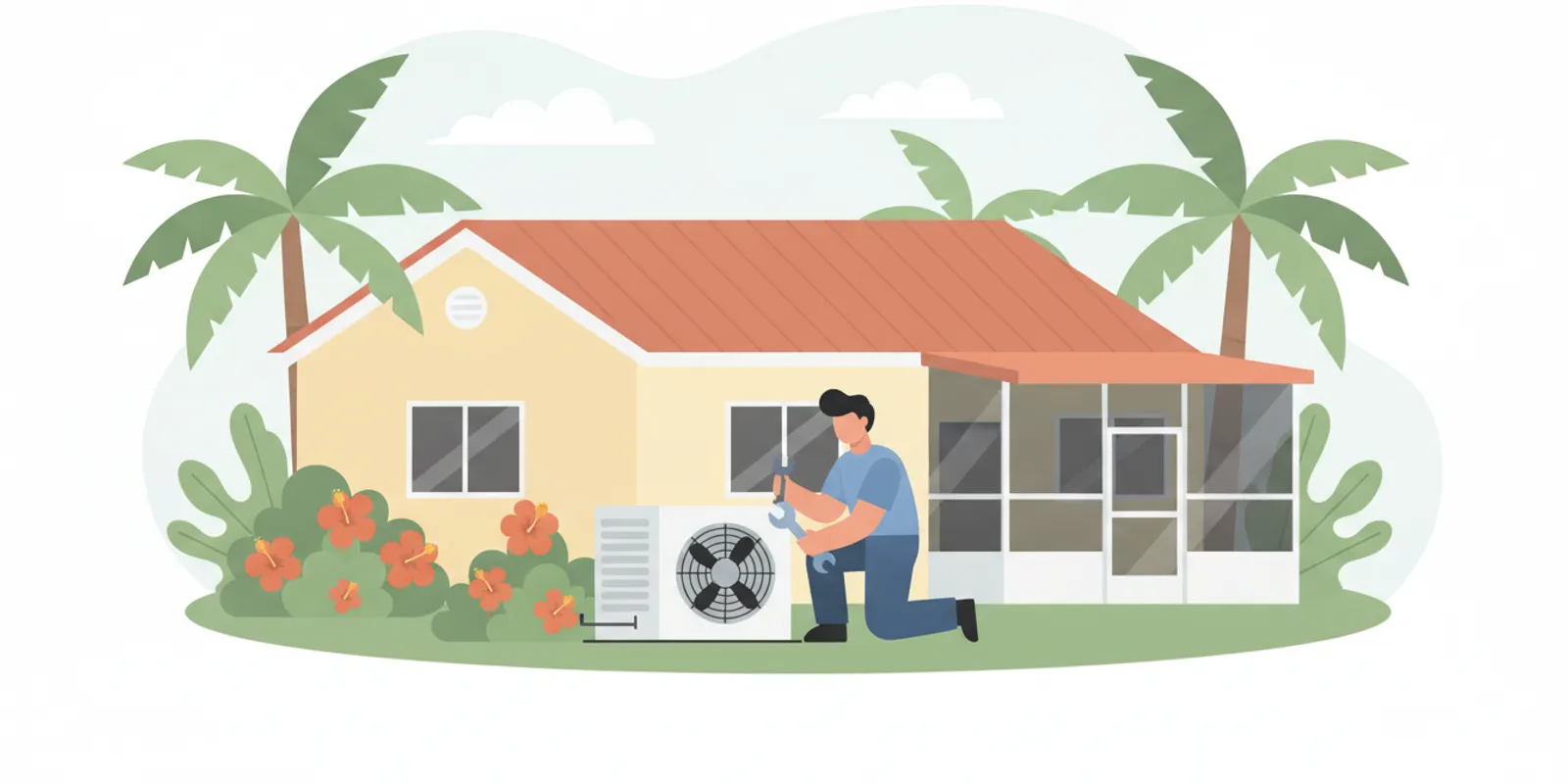
Heating and Cooling Jupiter: Choosing Local HVAC Service
Heating and cooling jupiter homeowners rely on can be affected by long cooling seasons, humidity, and differences between rooms. Knowing what to observe helps you decide whether to schedule maintenance, request a repair assessment, or discuss replacement. This guide explains practical steps and questions for local homes.
Contact Miranda Plumbing and Air to discuss your HVAC needs
What HVAC services do Jupiter homeowners commonly need?
Most household HVAC conversations start with one of three needs: a system is not working as expected, routine upkeep is due, or replacement is being considered. Each calls for different information. A repair assessment focuses on symptoms and possible causes. Maintenance focuses on system condition and care. Replacement planning considers the equipment and the home's installation needs.
Cooling usually gets the most attention in South Florida, but heating can matter during cooler weather. Comfort also depends on airflow and moisture, not only the thermostat reading. A homeowner may feel one room is stuffy while another feels comfortable, even though the system is running.
Miranda Plumbing and Air provides residential HVAC repair, replacement, installation, and maintenance. Review the company's HVAC service information to see the types of help available. For a home in town, the Jupiter service area page provides local service context.
Start by describing what changed instead of diagnosing a part. Record when the concern began, which rooms are affected, and whether the system starts and stops normally. Those observations create a more useful first conversation.
How can you tell whether your air conditioner needs repair?
A change from the system's usual operation deserves attention, but a symptom alone does not identify its cause. Note patterns before you call. Is the air warmer than usual, is airflow weaker, or does the equipment make a new sound? Is the concern constant or does it happen at particular times?
- Warm air: Check the thermostat mode and setting. Note whether the system runs while the air from the registers feels warmer than expected.
- Weak airflow: Identify whether it affects one register, one room, or several areas of the home.
- Unusual sound or odor: Write down when it occurs, such as at startup or throughout operation.
- Moisture near equipment: Note where you see it. Avoid touching electrical parts or opening equipment panels.
- Frequent starts or long cycles: Estimate how often the system starts and how long it runs.
Make only basic checks that are safe and allowed by the equipment instructions. Confirm the thermostat has not been changed. If the filter is accessible without tools, inspect it and follow the manufacturer's replacement or cleaning directions. Keep registers and return grilles clear of furniture and stored items.
Do not attempt electrical work, handle refrigerant, or dismantle equipment. If the symptom continues, tell the technician what you observed and what safe checks you completed. Miranda offers air conditioning repair service for homeowners seeking an assessment of cooling problems.
When should you compare repair with replacement?
No single sign proves a system needs replacement. The decision depends on inspection findings, the equipment's overall condition, repair history, parts availability, comfort needs, and the proposed work. Age can be useful context, but it should not replace an explanation of what is wrong and what each option addresses.
Ask the technician to identify the observed problem in plain language. Then ask whether the proposed repair addresses the cause or only one part of a broader concern. If similar problems have returned, explain the sequence and ask how another repair fits with the system's known condition.
Gather these details before discussing replacement:
- Equipment model and serial information, if visible without opening a panel.
- Recent service dates and any recurring symptoms.
- Rooms that remain uncomfortable and the times when this happens.
- Changes in household use, occupancy, or comfort priorities.
- Access limits or known conditions around the indoor and outdoor equipment.
Replacement involves the home as well as the equipment. Ask how the contractor evaluates the existing setup, what installation tasks the proposal includes, and which assumptions depend on site conditions. Miranda's air conditioning installation and replacement information can help you prepare for that discussion.
If you are comparing proposals, request a clear description of the work, equipment, and any related changes. Financing may be relevant to your household's planning; Miranda has an online financing information page. Review available terms directly and consider your own budget before deciding.
What should you compare in repair and replacement proposals?
Use the same questions for each option. This makes it easier to compare scope rather than focus only on a recommendation or total. The table lists discussion points, not a promise that every home will need the same work.
| Decision point | Repair option | Replacement option |
|---|---|---|
| Problem or goal | Which condition explains the current symptom? | What comfort or reliability concern should the project address? |
| Work included | What repair is proposed, and what does it leave unchanged? | Which equipment and installation tasks are included? |
| Existing system | Are there other known conditions that affect operation? | How do the existing setup and access affect the proposed work? |
| Household fit | What should improve, and what should be monitored afterward? | How were room comfort and household priorities considered? |
| Open questions | What findings remain uncertain before work begins? | Which site conditions could change the written scope? |
Ask for unclear items to be explained before approving work. A proposal is easier to evaluate when it separates equipment, labor, and related tasks. Ask how a changed condition will be discussed and approved, rather than assuming that every possibility is already included.
How does routine maintenance help a Florida HVAC system?
Maintenance gives a technician an opportunity to inspect accessible components, check system operation, and identify conditions that may need attention. It does not guarantee that a system will avoid future repairs. It can give a homeowner a clearer understanding of current equipment condition and recommended care.
Between service visits, follow the manufacturer's instructions for the filter and controls. Check the filter on the schedule recommended for your model and household conditions. A filter that looks dirty may need attention, but different systems and filters have different instructions.
Keep the area around outdoor equipment clear enough for access and airflow. Do not spray, bend, or disassemble components unless the manufacturer specifically describes a safe homeowner task. If you notice damage, persistent water, or unusual operation, stop and ask a professional what to do.
A short maintenance record can help. Write down when a filter was checked, when service occurred, and whether a symptom returned. Keep equipment documents and prior service notes together. Miranda's AC tune-up and maintenance service page is a useful starting point for questions about scheduled upkeep.
Why can a Jupiter home feel humid while the air conditioner runs?
Temperature is only one part of comfort. A home may feel clammy even when the thermostat reaches its setting. System operation, airflow, moisture entering the home, and conditions in a particular room can all be relevant. These observations do not confirm a specific fault.
Track when the humidity concern appears. Does it affect the whole home or one room? Does it change after rain, when doors are open, or at a certain time of day? Note whether the system seems to run for unusually short or long periods.
Use the thermostat and equipment controls according to their instructions. Repeatedly changing settings can make the pattern harder to describe. Instead, record the setting and what you notice. Mention possible moisture sources, open doors, or ventilation concerns to the professional assessing the system.
For broader indoor-air information, homeowners can consult the U.S. Environmental Protection Agency's resources. An HVAC professional can assess equipment and airflow, while other home conditions may also need attention. Avoid assuming that a new system alone will solve every humidity concern.
What should you do if heating or cooling stops working?
Consider safety first. If you see smoke, smell something burning, or suspect an electrical hazard, move away from the equipment and contact the appropriate emergency service. Do not remove access panels or touch exposed wiring. If there is no immediate hazard, check the thermostat mode and setting.
Look for an obvious interruption to power only if you can do so safely. Do not repeatedly reset a breaker that trips again. If the system still will not operate, record what happened and arrange professional help. Avoid repeated attempts to restart equipment when the underlying issue is unknown.
During a cooling outage, consider household needs while service is arranged. People with medical needs, young children, older adults, and pets may need a cooler place during dangerous heat. Follow local public safety guidance and do not wait for an equipment diagnosis if anyone is in immediate danger.
Miranda lists emergency HVAC service among its options. When you contact the company, explain when the system stopped, what safe checks you completed, and whether there are safety concerns. Share observations rather than guessing at a diagnosis.
What information should you prepare before a service visit?
A brief, organized description helps the service team understand the issue. You do not need to know which component failed. Share what you see, when it started, and what has changed from normal operation.
- Location and access: Provide the service address and any relevant entry instructions.
- Symptoms: State whether the system will not start, is not cooling, has weak airflow, or has another change.
- Timing: Note when it began and whether it happens continuously or intermittently.
- Equipment details: Share the system type or model information if readily available.
- Prior service: Mention recent work and whether the concern changed afterward.
- Household priorities: Identify affected rooms and urgent comfort or safety needs.
Before work is approved, ask what the technician found, what the proposed scope covers, and whether there are alternatives. If something remains uncertain, ask how it will be checked. Keep the service documentation for future reference.
Miranda serves homeowners across the Treasure Coast. Review its service area information for regional context. The company also identifies HVAC license CAC1815486 and plumbing license CFC1427227.
How can you track comfort changes room by room?
Uneven temperatures do not automatically mean the equipment has failed. Start by identifying the rooms that feel different and when you notice the difference. Compare those observations with the thermostat area, and note whether doors are usually open or closed.
Check for simple obstructions around supply registers and return grilles. Keep furniture, curtains, and stored items from blocking them. Do not remove grilles or adjust internal dampers unless a professional has explained a safe procedure for your system.
Record whether the room feels different in the morning, afternoon, or evening. Note changes in sunlight, room use, and doors. A short record over several days can reveal a repeatable pattern without suggesting a cause prematurely.
For example, if one bedroom feels warm only in late afternoon, write down the time, whether its door was closed, and the thermostat reading. If several rooms feel warm throughout the day, record that distinction too. A technician can use the difference to focus questions and inspection.
What installation details should you discuss before replacement?
Before selecting equipment, discuss the existing setup, its location, access, and the comfort concerns the project should address. Ask how the contractor evaluates the home's needs and explains which options can work with the installation conditions.
Confirm how the proposal describes equipment and labor. Ask whether existing components will remain and whether any related modifications are included. If the work may change after equipment is removed or conditions are inspected, ask how that change will be explained before additional work proceeds.
Talk through access and preparation. Ask what path technicians need, whether belongings should be moved, and how pets or household members can stay clear of the work area. Share known limits around equipment placement before the visit, not after a proposal is finalized.
Some households prioritize an uncomfortable room, ease of using controls, or quieter operation. Explain the priority and ask which options the home can support. A useful comparison identifies tradeoffs and assumptions rather than implying that a single feature suits every home.
How do you distinguish an airflow concern from a thermostat issue?
A thermostat records conditions at its location and sends system instructions according to its settings. If one area feels different, compare that room with the thermostat area rather than assuming the control is inaccurate. Record the displayed setting and the time you notice the difference.
Look for simple differences in room use. A closed door, blocked register, or return grille covered by furnishings may affect how air moves through a space. Note whether the issue changes when the room is used differently, but do not make repeated adjustments that obscure the pattern.
If several rooms are affected in the same way, record that too. Note whether the system appears to start and stop normally and whether the thermostat display changes. Do not remove a thermostat from the wall or open equipment to investigate wiring.
These observations are not a diagnosis. They help a technician understand what to check and whether the concern follows one room, one control setting, or the whole home. Describe the timing and location clearly when you arrange service.
How should you prepare your home for an HVAC appointment?
Make the thermostat and equipment areas accessible. Clear a safe path, move loose items that block access, and secure pets in a separate space. Let the service team know about access limits or schedule needs when arranging the appointment.
Write down questions in advance. If more than one room has a concern, list each room and describe how the problem differs. Explain whether the issue affects sleep, work, or another daily activity. This gives the visit a clear starting point.
During the assessment, ask for findings in plain language. If repair is recommended, ask how the proposed work addresses the observed issue. If replacement is also discussed, request a separate scope so the choices are easier to compare.
Before approving work, review the scope and its assumptions. Ask how the technician will communicate a newly discovered condition. Keep the service record and follow operating instructions provided for your equipment.
How can you plan a sensible next step for your home?
Match the next step to what you know. A recurring operating change calls for a description and an assessment. A system with no immediate concern may be a candidate for scheduled upkeep. A repair history or comfort issue may make a replacement conversation useful, but neither fact alone determines the answer.
Keep questions focused: What did the assessment find? What work is proposed? What is included and excluded? What should improve, and what should you monitor afterward? These questions help you understand the reasoning and compare choices without relying on assumptions.
Call Miranda Plumbing and Air using the contact page to discuss a residential HVAC concern. Share your observations and ask what information will help arrange the right conversation. The company's contact page is available at contact Miranda Plumbing and Air.
Contact Miranda Plumbing and Air to plan your HVAC service
Frequently asked questions about heating and cooling in Jupiter
Should I switch off an air conditioner that is not cooling?
If you notice an unusual odor, abnormal operation, or a safety concern, stop using the system and seek professional guidance. Otherwise, describe what is happening and ask a technician whether continued operation is appropriate.
Can I clean or repair HVAC equipment myself?
Limit homeowner checks to safe steps permitted by the manufacturer's instructions, such as checking thermostat settings or an accessible filter. Leave electrical work, refrigerant handling, and internal equipment repairs to qualified professionals.
Will replacing an air conditioner automatically solve humidity issues?
Not necessarily. Humidity concerns can relate to equipment operation, airflow, moisture sources, or other home conditions. Ask for an assessment before choosing equipment or work.
What should I ask before approving an HVAC repair?
Ask what the technician found, what the proposed work covers, what it does not address, and what to watch afterward. If replacement is also discussed, request a separate explanation of that option.
A clear record of symptoms and a careful review of the proposed scope can make HVAC decisions easier. Ask questions until you understand the next step that fits your home's needs.
Need plumbing or HVAC service on the Treasure Coast?
Contact Miranda Plumbing & Air