Goodman Furnace Guide: Models, Maintenance & Service
A Goodman furnace can provide dependable heat when it is sized, installed, and maintained correctly. This guide explains model categories, homeowner-safe maintenance, warning signs, and service decisions.
Contact Miranda for Goodman furnace service on Florida's Treasure Coast.
Goodman furnaces vary by efficiency, heating stages, blower motor, cabinet design, and installation position. Homeowners should compare those features with the home's size, ductwork, fuel supply, and comfort needs. Simple maintenance includes filter care and clearances. Gas, electrical, venting, and safety checks belong with a licensed HVAC technician.
Goodman is a manufacturer, not a one-size-fits-all system. The best furnace depends on the equipment label, the home's heat loss, and the existing installation. Miranda Plumbing & Air serves homeowners across Port St. Lucie, Stuart, Fort Pierce, Vero Beach, Jupiter, and nearby Treasure Coast communities.
What Is a Goodman Furnace and How Does It Work?
A Goodman furnace burns fuel to create heat, then uses a blower to move warmed air through the duct system. The thermostat starts a heating cycle when indoor temperature falls below the set point. Safety controls monitor ignition, airflow, exhaust, and operating conditions during the cycle.
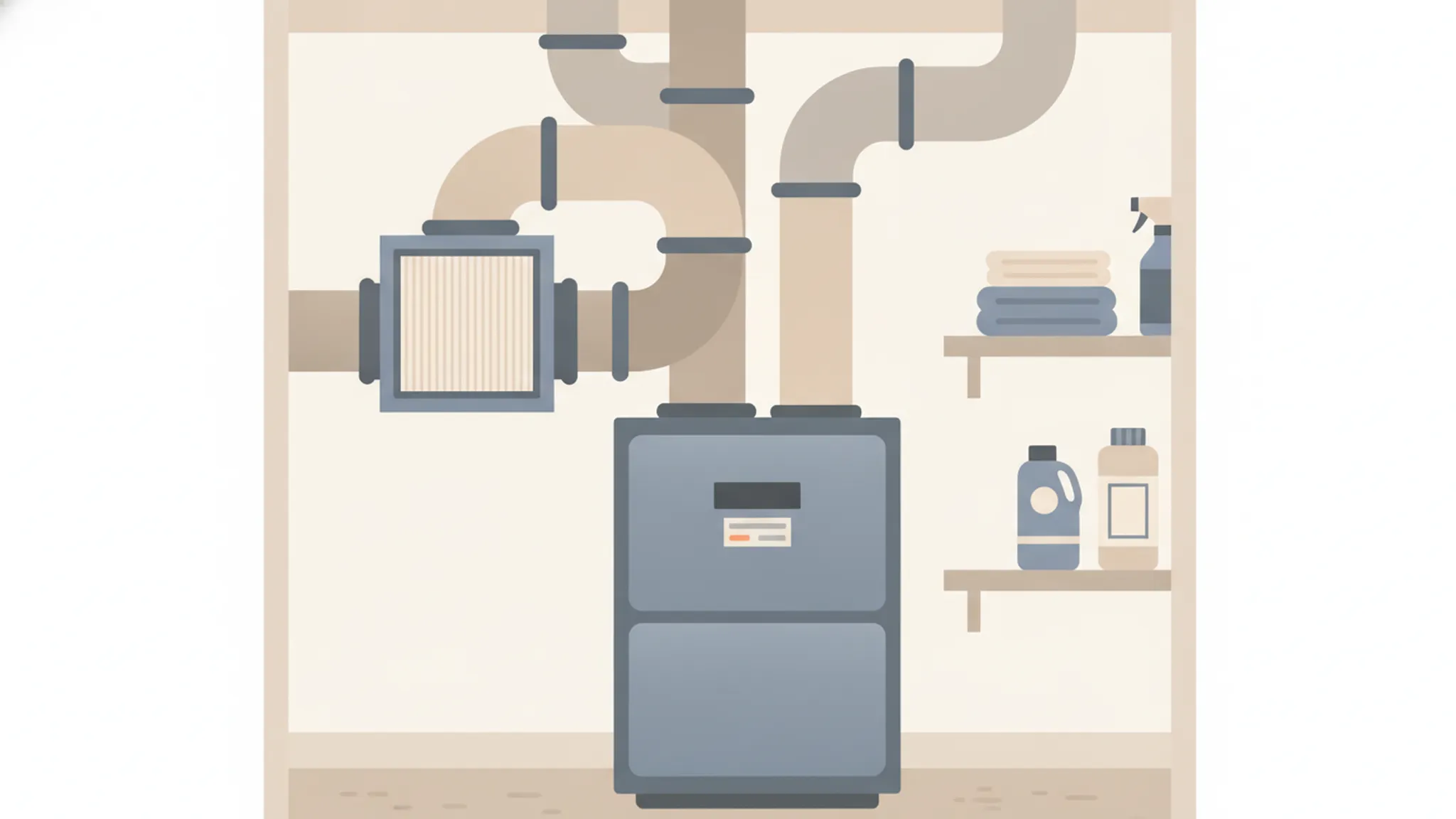
A typical gas furnace uses several coordinated components. The thermostat sends a demand for heat to the control board.
- Igniter and burners: start and sustain the heating process.
- Heat exchanger: transfers heat to indoor air without mixing it with combustion gases.
- Inducer motor and flue: move combustion exhaust outside.
- Blower motor: circulates warmed air through the ductwork.
- Limit and safety controls: stop operation when unsafe conditions occur.
Goodman describes its gas furnace lineup by efficiency and features. Its product pages state that features vary by model.
Never remove a furnace access panel while the unit operates. Do not bypass a limit switch, pressure switch, flame sensor, or other safety device.
For background, read Goodman's overview of central gas heating. It explains the relationship between the furnace, ductwork, thermostat, and home.
Which Goodman Furnace Models and Categories Should Homeowners Compare?
Goodman furnace models commonly differ by AFUE efficiency, heating stages, blower motor, cabinet configuration, and installation position. Current product and literature pages list model families such as GM9C96, GM9S96, and other 80% or 90% plus options. Confirm availability and specifications with a qualified contractor.
Model names change over time, so a current product page or literature library is more reliable than an old sales listing.
| Feature | What it means | Why it matters |
|---|---|---|
| AFUE rating | Annual Fuel Utilization Efficiency. | Shows how much fuel energy becomes usable heat under rated conditions. |
| Heating stages | Single-stage or two-stage burner operation. | Can affect cycling, comfort, and temperature control. |
| Blower motor | PSC or ECM airflow technology. | Can affect airflow control, sound, and electrical use. |
| Cabinet position | Upflow, downflow, or horizontal installation. | Must match the home's duct layout and available space. |
| Controls | Standard thermostat or communicating control compatibility. | Determines which thermostat and accessories can work correctly. |
Goodman lists the GM9C96 as a two-stage, multi-speed ECM gas furnace with up to 96% AFUE performance. Its product page identifies a multi-position installation design.
Goodman lists the GM9S96 as a single-stage, multi-speed ECM gas furnace with up to 96% AFUE performance.
Those examples do not represent every current Goodman option. They show why model comparison should include operating design, not just the brand name.
Goodman's literature library lists model specifications, brochures, and warranty documents. Use the Goodman literature library to verify a model number before planning service or replacement.
How Do AFUE, Stages, and Blower Motors Affect Comfort?
AFUE describes rated fuel efficiency, while stages describe burner operation and blower type describes airflow control. A higher rating or more advanced feature does not guarantee a better fit. Correct sizing, ductwork, installation, thermostat compatibility, and maintenance still determine comfort.
What does AFUE mean?
AFUE stands for Annual Fuel Utilization Efficiency. It estimates the percentage of fuel energy converted into usable heat during a standardized rating process.
Goodman states that its 90% plus furnaces convert at least 90 cents of each energy dollar into heat under rated conditions. Its 80% furnaces have an 80% AFUE rating.
AFUE is useful for comparing models. It is not a promise about a home's monthly bill.
Utility costs, thermostat settings, weather, duct losses, home insulation, system size, and maintenance affect actual energy use.
What is the difference between single-stage and two-stage heat?
A single-stage furnace generally operates at one heating output. A two-stage furnace can operate at a lower output before using higher output.
Lower-output operation may reduce temperature swings in some homes. It may also support longer, quieter heating cycles.
Comfort gains depend on the furnace, thermostat, ductwork, and installation. A two-stage furnace cannot correct undersized or damaged ductwork by itself.
Why does the blower motor matter?
The blower pushes conditioned air through the return and supply ducts. Goodman describes PSC and ECM blower options across its furnace products.
Multi-speed or variable airflow can help a system adjust circulation. It can also affect sound and electrical use.
The blower must still be matched to the furnace and duct system. A technician should confirm airflow during installation and service.
What Goodman Furnace Maintenance Can Homeowners Safely Do?
Homeowners can replace the air filter, keep supply and return vents open, clear the area around the furnace, and watch for unusual sounds or odors. Do not clean burners, open gas controls, adjust wiring, or bypass safety switches. Schedule professional maintenance for combustion, venting, heat exchanger, and electrical checks.
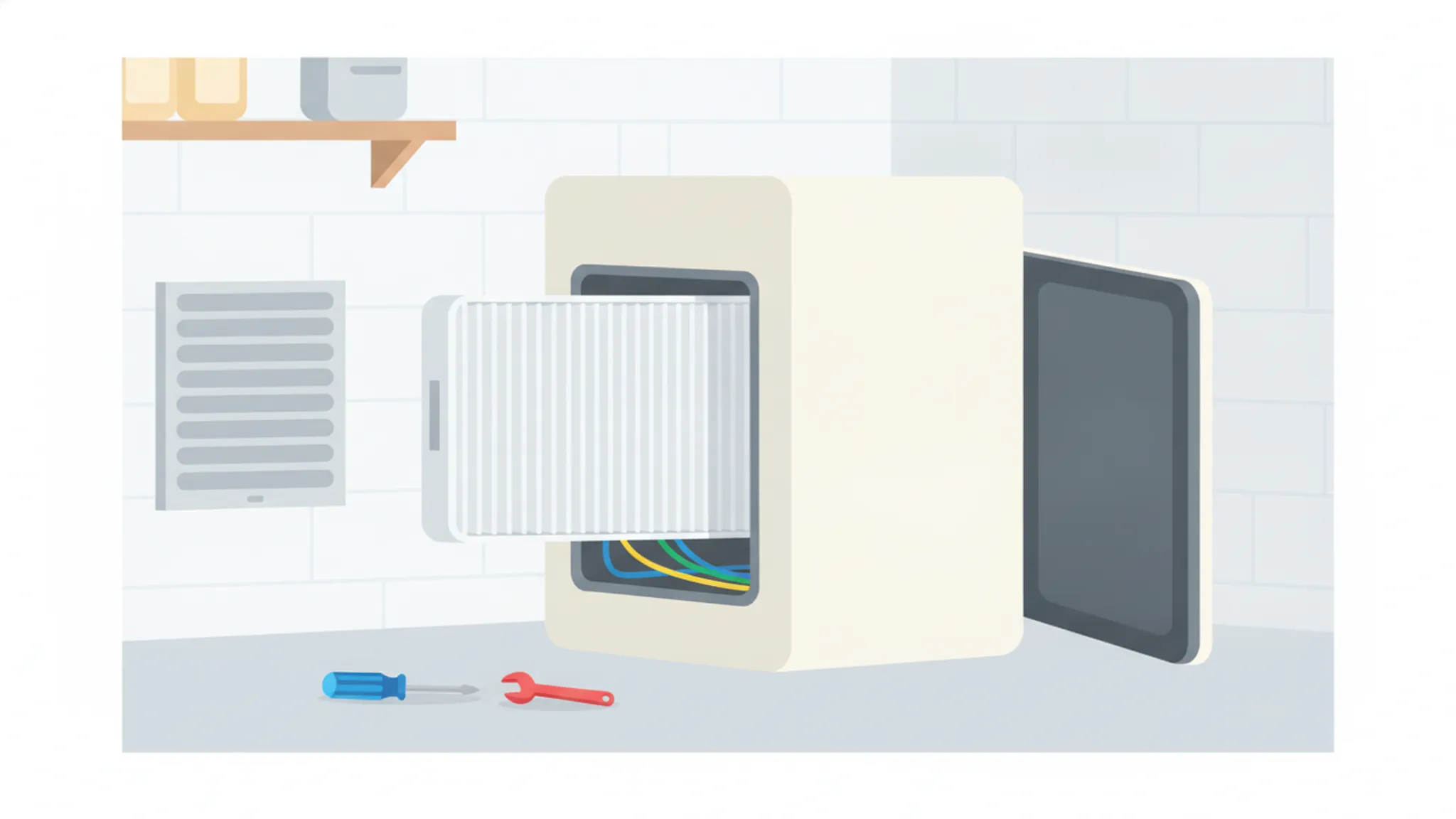
The filter is the most practical homeowner maintenance item. A loaded filter restricts airflow and can stress the blower.
- Turn the system off before removing the filter.
- Confirm the filter size and airflow direction.
- Install a compatible filter with the arrow pointing toward the furnace.
- Check that the filter sits securely without gaps.
- Record the replacement date for the next inspection.
Follow the filter instructions for your equipment and household conditions. Homes with pets, renovation dust, or high occupancy may need more frequent checks.
Keep the furnace room clear. Do not store paint, gasoline, solvents, cardboard, or other combustible materials next to a gas furnace.
Keep return grilles and supply registers open. Closing several registers can change airflow and increase system strain.
Never spray cleaner into the furnace. Do not remove burners or attempt to clean a flame sensor without proper training.
Goodman advises professional inspection of critical components. Its maintenance guidance discusses the heat exchanger, blower, inducer motor, burners, fault history, and filter.
Read Goodman's gas furnace maintenance guidance for manufacturer-level background. Manufacturer guidance does not replace an on-site inspection.
Schedule Goodman furnace maintenance with Miranda before the next cold snap.
How Often Should a Goodman Furnace Receive Professional Maintenance?
Most homeowners should arrange professional furnace maintenance before the main heating season. A technician may inspect combustion, ignition, electrical connections, airflow, venting, safety controls, and the heat exchanger. The right interval depends on equipment age, use, prior problems, manufacturer guidance, and household conditions.
Florida homeowners may use heating equipment less often than homeowners in colder climates. That does not remove the need for seasonal readiness.
A furnace can sit idle for months. Dust, insects, corrosion, wiring issues, blocked vents, and weak ignition components can appear before the next heating cycle.
A professional maintenance visit may include these checks:
- Thermostat operation and heating-cycle response.
- Filter condition and return-air airflow.
- Igniter, burners, flame-sensing, and ignition sequence.
- Blower motor, wheel, electrical current, and vibration.
- Heat exchanger condition and visible signs of damage.
- Inducer operation and flue vent condition.
- Safety controls and fault-code history.
- Supply temperature and airflow measurements.
Maintenance is not a guarantee against breakdowns. It can help identify service needs before the system fails during a heating call.
Miranda provides furnace tune-up and maintenance for homeowners who want seasonal readiness and professional inspection.
What Are the Warning Signs of a Goodman Furnace Problem?
Warning signs include repeated shutdowns, weak airflow, uneven heat, delayed ignition, unusual noises, burning odors, water near the furnace, rising energy use, and thermostat problems. A gas odor, smoke, suspected carbon monoxide, or damaged heat exchanger requires immediate safety action and qualified service.
A warning sign does not identify the failed component. Several problems can produce similar symptoms.
- Repeated short cycling: the furnace starts and stops too often.
- Weak airflow: rooms receive little air from open supply registers.
- Uneven heat: some rooms remain cold while others overheat.
- Delayed ignition: the burners ignite after an unusual pause.
- New noises: rattling, scraping, squealing, banging, or strong vibration.
- Burning smells: an odor that continues after normal dust burns away.
- Water near the furnace: a condensate, plumbing, or equipment issue may exist.
- Repeated fault codes: the control board records a recurring condition.
If you smell gas, do not operate the furnace, thermostat, electrical switches, or phones inside. Leave immediately, then call the gas utility or emergency services from a safe location.
Install and maintain carbon monoxide alarms according to the alarm manufacturer's instructions. A carbon monoxide alarm is not a substitute for furnace inspection.
Do not keep resetting a furnace that repeatedly trips a safety control. Repeated resets can hide a condition that needs diagnosis.
Miranda's furnace repair service can evaluate heating problems and explain the next step for your home.
Should You Repair or Replace a Goodman Furnace?
Repair may fit an isolated, replaceable problem on a sound furnace. Replacement may deserve consideration when the unit has repeated failures, unsafe damage, poor comfort, or major compatibility concerns. A licensed technician should evaluate the furnace, ductwork, installation, and household needs before you decide.
Start with safety and condition, not the brand name. Goodman makes multiple furnace categories, and age alone does not prove that replacement is necessary.
Repair may be reasonable when the issue is limited to a component. Examples include a thermostat, igniter, capacitor, blower part, sensor, or electrical connection.
Replacement planning may make sense when the heat exchanger is damaged. It may also make sense when repairs recur or the furnace cannot heat the home evenly.
Ask the technician to explain the diagnosis and options. Useful questions include:
- What failed, and how was it tested?
- Does the furnace have a safety concern?
- Is the heat exchanger intact?
- Can the existing ductwork support the replacement?
- Does the current thermostat match the proposed furnace?
- Would repair restore reliable operation?
- What maintenance will the repaired or new system need?
Replacement is not a reason to choose a model by AFUE alone. The contractor should size the equipment for the home and verify airflow, venting, fuel, controls, and installation position.
Miranda's furnace installation and replacement service can help homeowners compare the equipment and installation requirements.
Ask Miranda to evaluate your Goodman furnace repair or replacement options.
What Can You Expect During a Miranda Furnace Service Visit?
A furnace service visit should begin with the homeowner's symptoms and equipment history. The technician can inspect the system, test relevant components, check safety conditions, and explain repair or replacement options. The visit should end with clear next steps, not a recommendation based only on the model name.
Have the model and serial number ready if they are visible. A clear photo of the equipment label can help with initial scheduling.
Describe when the issue occurs. Note whether the furnace fails at startup, stops during a cycle, produces weak airflow, or makes a new sound.
Tell the technician about recent filter changes, thermostat changes, prior repairs, and any fault codes.
Miranda can provide furnace repair, maintenance, installation, replacement, and emergency HVAC service. Service availability depends on scheduling, location, system condition, and the urgency of the issue.
For broader heating and cooling needs, review Miranda's HVAC services or use the contact page to request the appropriate next step.
Contact Miranda before scheduling Goodman furnace repairs or replacement.
Frequently Asked Questions About Goodman Furnaces
Is Goodman a good furnace brand?
Goodman offers gas furnaces across several efficiency, staging, blower, and cabinet categories. A good result depends on correct sizing, installation, ductwork, maintenance, and safe operation. Miranda can evaluate the full system rather than judging a furnace by its brand alone.
What are the main Goodman furnace model categories?
Goodman model categories can differ by AFUE, heating stages, blower motor, installation position, and control compatibility. Product names and availability change. Check Goodman's current literature library and ask a qualified contractor to confirm specifications.
How often should a Goodman furnace be serviced?
Many homeowners schedule professional maintenance before the main heating season. The best interval depends on the furnace, usage, age, maintenance history, and manufacturer guidance. Filter checks can happen more often when household conditions add dust or debris.
What can I do if my Goodman furnace will not start?
Check the thermostat setting, power status, and filter only if you can do so safely. Do not open gas controls or bypass safety switches. If the furnace still will not start, schedule professional diagnosis.
Is a high-AFUE Goodman furnace always the best choice?
No. AFUE is one comparison point. The furnace must also match the home's heat load, ductwork, venting, fuel supply, controls, budget, and installation position. A qualified contractor can compare the complete system.
When should I call for Goodman furnace repair?
Call when the furnace repeatedly shuts down, produces weak airflow, makes new noises, smells unusual, leaks water, or cannot maintain comfort. Turn the system off and seek urgent help for gas odors, smoke, or suspected carbon monoxide.
Ready for Goodman Furnace Service?
A Goodman furnace can serve your home well when the model, installation, airflow, and maintenance plan work together. Miranda Plumbing & Air can help homeowners across the Treasure Coast understand the next safe step.
Need plumbing or HVAC service on the Treasure Coast?
Contact Miranda Plumbing & Air