
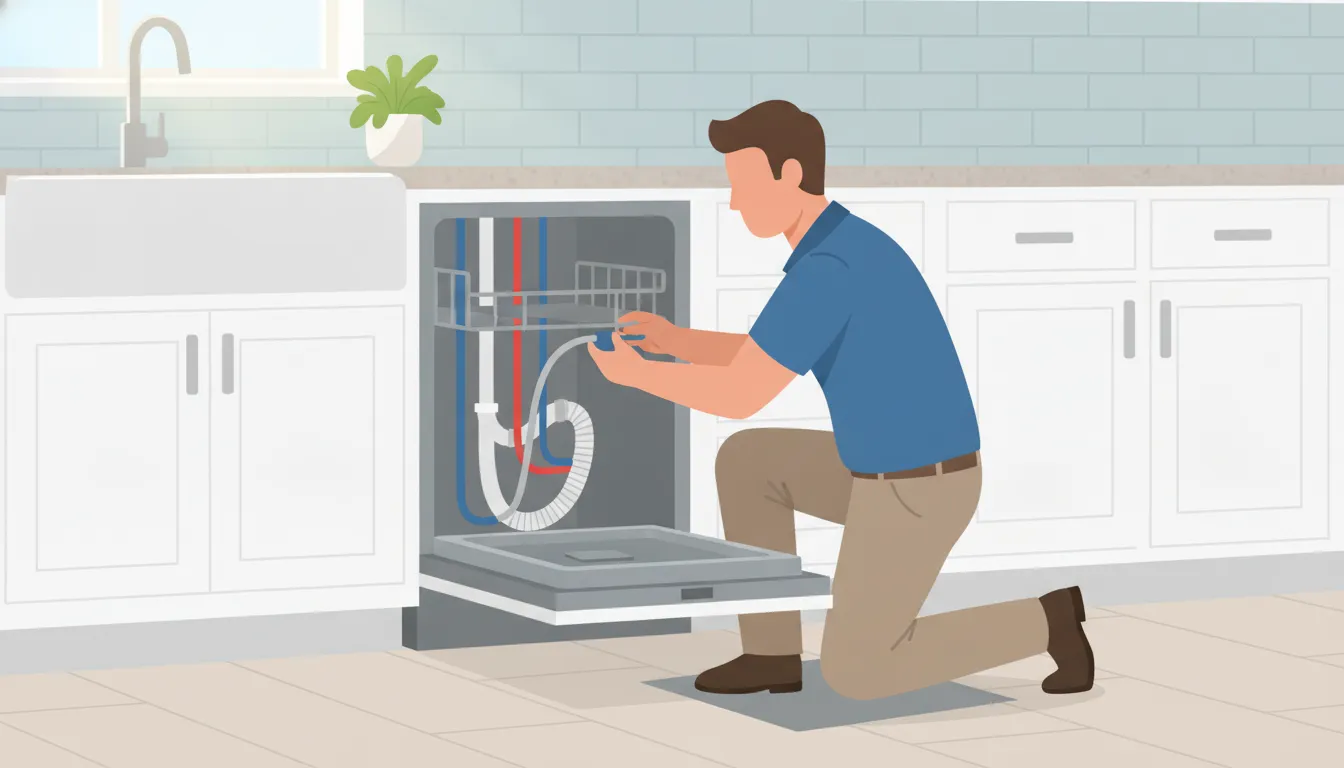
Dishwasher Installation Cost: What Shapes the Price?
Replacing a dishwasher is often simple when the new unit fits the existing opening and connections. The project becomes more involved when the space needs plumbing, electrical, or cabinet changes.
The dishwasher installation cost depends on the appliance, existing hookups, labor, supplies, removal, and any upgrades needed for a safe connection. External planning estimates are not a quote from Miranda Plumbing & Air.
For Treasure Coast homeowners, the most useful starting point is a written scope. It should separate the dishwasher from installation work.
That makes it easier to compare estimates and understand the project before work begins.
The first step is identifying which parts of the installation are already in place and which may need attention.
What Does Dishwasher Installation Cost Usually Include?
A dishwasher installation estimate usually separates the appliance, labor, connection materials, and any extra work needed at the site. That breakdown matters because two kitchens can require very different scopes.
The dishwasher itself may represent a large share of the project. Model tier, features, size, and brand all affect the purchase price.
One external estimate places the appliance alone in a broad range. That figure is general planning guidance, not Miranda pricing.
Modernize's cost guide provides the cited market estimate.
Appliance, labor, and connection supplies
Labor covers more than sliding the unit beneath the counter. A technician may connect the water supply, attach the drain hose, make the electrical connection, level the appliance, and test the cycle.
Installation kits and supplies can include a water line, drain hose, clamps, fittings, or an electrical connection kit.
These items may appear as separate line items or as part of the installation scope. The correct materials depend on the appliance instructions and existing connections.
General market sources list labor and connection ranges for straightforward replacements with existing hookups.
Those ranges are useful for planning, but they are not a quote for your home. Site access, material needs, and existing connections can change the work involved.
| Project item | Why it matters |
|---|---|
| Dishwasher model | Size, features, and connection requirements affect the project scope. |
| Existing hookups | Compatible water, drain, and electrical connections can simplify replacement work. |
| Removal and disposal | Taking out an old unit may be a separate line item. |
| Site conditions | Access, cabinetry, flooring, and connection repairs can add work. |
Removal, disposal, and unexpected site work
If an old dishwasher must be removed, ask whether labor and disposal are included. Some estimates treat removal as a separate service. Confirming this detail early helps prevent confusion after the new appliance arrives.
A replacement with suitable hookups may have a narrower scope than a first-time installation.
New plumbing, electrical, or cabinet work can add separate labor and materials. Cabinet changes may be needed when the opening does not fit the replacement appliance.
Dishwashers also discharge into the plumbing drainage system. Drain routing must follow the appliance instructions and applicable requirements.
Depending on the setup, the connection may involve an air gap, a manufacturer-specified high loop, or another approved arrangement.
For a local review of the water, drain, and appliance connections, see Miranda's dishwasher installation and repair service. Miranda's process includes an on-site assessment and a written estimate before work begins.
Before approving an estimate, ask for the appliance, labor, supplies, removal, disposal, and possible upgrades to be identified separately. Contact Miranda Plumbing & Air to discuss your dishwasher installation scope.
Which Installation Details Change the Total Cost?
A dishwasher replacement is rarely just an appliance swap. The existing connections, kitchen layout, and condition of nearby components can change the work involved.
Existing hookups usually simplify installation. A technician still checks whether the water supply, drain hose route, and electrical connection match the new appliance. Older parts may need replacement if they are worn, damaged, or incompatible.
Water and drain connections deserve careful attention. A dishwasher uses water and detergent, then discharges wastewater into the plumbing drainage system. The U.S. Department of Energy describes that basic function in its dishwasher guidance.
The drain route also needs an approved arrangement.
Depending on the project and applicable requirements, discharge may use an air gap, a manufacturer-specified high loop, or an open standpipe.
Those examples come from a federal regulation, not a complete statement of Florida code. Local requirements and manufacturer instructions still control the project.
The dishwasher drain may connect through a sink tailpiece, an individual trap, or the inlet side of a food-waste disposal unit.
It should not connect downstream from the disposal unit. Nearby disposal condition and drain configuration can affect the estimate.
If the disposal is damaged or lacks a suitable dishwasher inlet, related work may be needed. Miranda also handles garbage disposal installation and dishwasher drains when those kitchen connections need attention.
Electrical hookup is another cost variable. A replacement may use an existing, compatible connection.
A kitchen without the required outlet, wiring, or circuit may need electrical work before the appliance can operate safely.
The amount depends on the existing installation and the work required.
Access can affect labor as well. Tight cabinets, difficult appliance removal, stairs, or limited working space can add time. Site accessibility is a recognized estimate factor, along with project scope and material needs.
Placement involves more than sliding the unit into the opening. The dishwasher must fit the available space and sit level. Leveling helps the door operate correctly and supports proper appliance placement.
Final testing is part of responsible installation.
The installer restores water and power, runs a test cycle, checks for leaks or other issues, and reviews the finished work.
A written estimate should identify any connection, access, cabinetry, or testing-related scope before work begins.
Cabinetry can create a larger change. If no dishwasher opening exists, a cabinet may require removal or modification.
Even an existing opening may need review if the new model differs in size or connection position.
These details explain why two kitchens can receive different installation estimates.
Why Does a First-Time Dishwasher Installation Cost More?
- Confirm whether suitable water, drain, and electrical hookups already exist.
- Plan new water and drain lines if the location lacks them.
- Check whether the appliance needs a compatible outlet or circuit.
- Allow for cabinet preparation when no suitable opening exists.
- Ask whether permits or inspections apply to changed connections.
- Account for relocation, difficult access, or a higher-end appliance.
- Request a written scope before approving work.
Existing hookups can make a replacement simpler. A first-time project may need each connection from the beginning.
External estimates show that first-time installation labor can rise substantially when hookups are absent. That guidance is not Miranda Plumbing & Air pricing.
A dishwasher needs a water supply and a connection to household drainage. If the cabinet location lacks those paths, new lines may be needed.
Access behind cabinets, through walls, or below floors can affect the work. The final scope depends on the kitchen layout and plumbing condition.
Some first-time installations need a new outlet or dedicated circuit. Electrical work may require a qualified electrician, depending on the job and local requirements.
A dishwasher opening needs suitable width, depth, clearance, and support. Cabinet removal or modification may be necessary.
Permit requirements vary by jurisdiction and by the plumbing or electrical changes involved. Confirm requirements with the appropriate local authority.
Moving the dishwasher away from existing connections can add plumbing, drain, electrical, cabinetry, and finish work. Complex relocations can become much more expensive.
Compare the scope, not only the total. Miranda's process includes an on-site diagnosis, written pricing before work begins, professional service, and a final walkthrough.
Review the external cost discussion for planning context. It is not a quote for your home.
How Can You Avoid Surprises in a Dishwasher Installation Estimate?
A clear estimate should show what the project includes before work begins. Start by identifying whether you are replacing an existing dishwasher or adding one in a new location.
A replacement may use existing connections. A new location may require additional plumbing, electrical, cabinetry, or access work. Ask the technician to explain which conditions apply to your kitchen.
Ask what happens to the old dishwasher
Removal and disposal may appear as separate line items. Ask whether the estimate includes disconnecting, carrying out, and disposing of the old unit.
If you plan to handle removal yourself, confirm that first. The installer may still need to inspect the opening, connections, flooring, and surrounding cabinets before installing the replacement.
Confirm every connection and material
Ask whether the written scope includes the installation kit and connection materials. Depending on the appliance and existing setup, these may include a water supply line, drain hose, clamps, fittings, or an electrical connection kit.
Also ask whether the existing water and drain connections are usable. A dishwasher discharges into the plumbing drainage system, so the drain route must be planned carefully.
The estimate should identify the drain connection method and any required air gap or manufacturer-specified high loop. It should also explain whether the dishwasher connects through the sink plumbing or a garbage disposal connection.
For related kitchen plumbing needs, review Miranda's Treasure Coast plumbing services.
Discuss access, permits, and final testing
Site access can affect the work involved. Mention narrow doorways, tight cabinet openings, uneven floors, or appliances that block the installation path.
Ask whether cabinet adjustments, leveling, or electrical changes are included. If plumbing or electrical work changes, ask who determines whether permits or inspections apply in your jurisdiction.
Finally, confirm that testing is part of the scope. A complete installation should include restoring the connections, running a test cycle, checking for leaks, and reviewing the finished work with you.
Request a written scope before approving work
Compare estimates only when they describe similar work. General planning guidance recommends comparing several project quotes, but the lowest number may omit removal, materials, access work, or testing.
Ask for each included task, excluded task, material allowance, permit responsibility, and possible change condition in writing.
Miranda's service process includes a written estimate before work begins. This helps you understand the planned scope before approving it.
When Should You Hire a Plumber for Dishwasher Installation?
Professional help makes sense when the dishwasher installation involves more than sliding a replacement into an existing opening. The appliance uses water, drains into household plumbing, and requires safe electrical coordination.
A dishwasher also needs careful positioning. It must sit level, fit securely, and leave enough room for connections. After installation, the system should be tested for leaks, drainage problems, unusual movement, and proper operation.
When is DIY replacement reasonable?
A capable homeowner may handle a simple replacement when the new unit matches the existing opening and all connections remain compatible.
Even then, read the manufacturer instructions and stop if the work differs from the original setup.
Do not improvise plumbing or electrical connections. Water damage can develop behind cabinets, while incorrect electrical work can create a serious safety hazard. A professional can identify problems before the appliance is pushed into place.
Why does dishwasher plumbing require care?
A dishwasher discharges wastewater through the plumbing drainage system. Federal guidance describes approved drainage approaches that can include an air gap, a manufacturer-specified high loop, or an appropriate open standpipe.
Drain connections may involve the sink tailpiece, an individual trap, or a designated garbage-disposal inlet.
The dishwasher drain should not connect downstream from the disposal unit.
Local requirements and the home's existing layout may also affect the correct connection.
These details explain why dishwasher work can involve more than attaching a hose. The plumber may need to inspect the supply line, drain route, shutoff, disposal connection, and available space before recommending the next step.
What does a professional installation include?
Miranda's appliance service includes dishwasher installation, supply-line and drain-connection work, and a final walkthrough.
The process includes reviewing the project, providing a written estimate before work begins, completing the agreed work, and checking the result with you.
For a replacement, bring the appliance model information and share any concerns about the existing connections. For a first-time installation, mention planned cabinet changes, a new location, or electrical work before scheduling.
Review Miranda's dishwasher installation and repair service to understand the available service path. You can also contact Miranda Plumbing & Air to discuss your home's installation needs.
Frequently Asked Questions
What is the average labor cost to install a dishwasher?
Published market estimates place general dishwasher installation labor in a broad range. That is planning guidance, not a Miranda quote.
A straightforward replacement with existing hookups may cost less than work requiring new plumbing, electrical changes, cabinet modifications, or disposal.
Source: Modernize.
Do you need a plumber to install a dishwasher?
Not every replacement requires a plumber when existing water, drain, and electrical provisions fit the new appliance.
Professional help is sensible when connections need changes, the dishwasher location is new, leaks are possible, or local requirements may apply.
A qualified technician can inspect the scope before work begins.
Can I install a dishwasher myself?
Some experienced homeowners may handle a like-for-like replacement.
The work involves water, drainage, electrical connections, leveling, and leak testing.
If the installation needs a new circuit, plumbing route, drain configuration, or cabinet work, hire the appropriate licensed professionals.
Stop if the connections, fit, or local requirements are unclear.
How can I get a more accurate dishwasher installation estimate?
Share the dishwasher model, installation location, photos of the cabinet opening, and details about existing water, drain, and electrical connections.
Ask whether removal, supplies, permits, and testing are included.
Miranda's process includes an on-site assessment and written estimate before work begins, so the scope is clear before approval.
Ready to Plan Your Dishwasher Installation?
Understanding your existing hookups, access, and installation scope can help you ask better questions before work begins.
If you want help reviewing the next steps for your Treasure Coast home, contact Miranda Plumbing & Air to discuss your dishwasher installation needs.
Need plumbing or HVAC service on the Treasure Coast?
Contact Miranda Plumbing & Air