
AC Repair Technician: How to Choose the Right Help
When cooling fails, choosing an ac repair technician can feel urgent. A careful choice starts with relevant licensing, a diagnosis you can follow, and a written scope of work. Treasure Coast homeowners can use these steps to compare providers and prepare for a repair visit.
What should an AC repair technician help you understand?
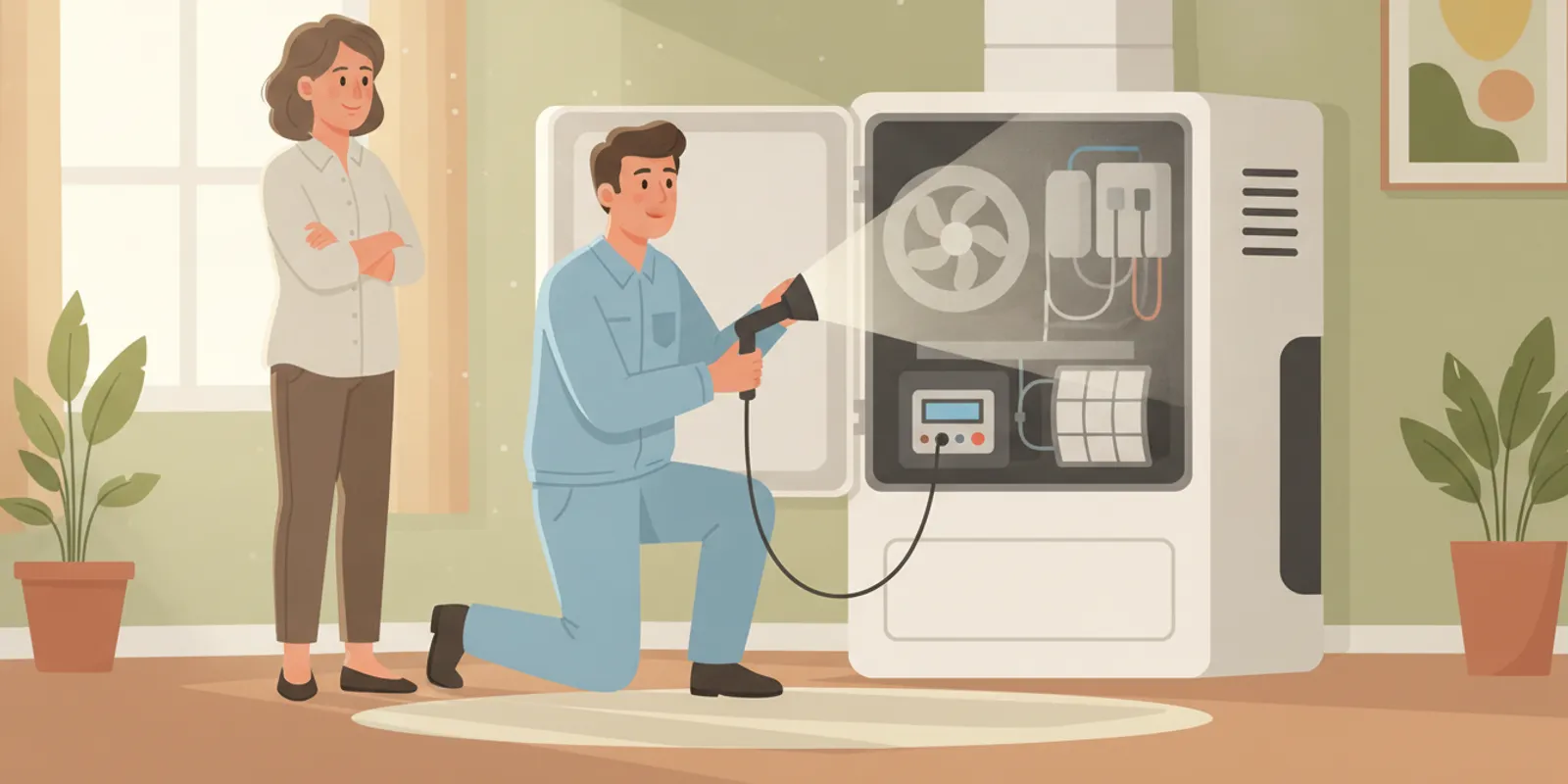
A service visit should do more than identify a part or present a price. The technician should explain what they checked, what they found, and how those findings relate to your system’s symptoms. A plain-language explanation helps you decide whether the proposed work makes sense.
For example, an air conditioner that runs without cooling can have several possible causes. A clogged filter, restricted airflow, an electrical issue, or a refrigerant problem may create similar symptoms. Those possibilities require different checks and solutions. Replacing a part before testing the system may leave the original problem unresolved.
Ask the technician to connect the diagnosis to something observable. They might describe a component that failed a test, a blocked drain, unusual operating readings, or a loose connection. You do not need to interpret every measurement. You should understand what failed, why the recommended work addresses it, and what could happen if you wait.
It is reasonable to ask which items are confirmed and which remain possibilities. Some intermittent problems do not appear during an appointment. A careful technician can explain what further testing may be needed and what has not yet been ruled out.
Good communication includes limits. One visit may not confirm every cause of a changing symptom. Ask whether the service is complete or whether the technician recommends observation or another diagnostic step. That distinction helps you understand what the visit established.
Describe what you observe without guessing at the cause. “The bedroom stays warm while the system runs” is more useful than “the compressor is broken,” unless a qualified technician has confirmed that. Note when the issue occurs, how long it lasts, and whether anything changed recently.
How can you confirm licensing and service fit?
Air-conditioning work involves electrical and mechanical equipment, so ask whether the provider is qualified for the proposed work. In Florida, the Department of Business and Professional Regulation is an official starting point for professional licensing information. Visit the Florida DBPR licensing website to find licensing resources, and confirm the license category that applies to the work.
Call Miranda Plumbing and Air lists HVAC license CAC1815486 and plumbing license CFC1427227. Ask which license applies to the proposed task and who will perform it. The HVAC license number is CAC1815486; the plumbing license number is CFC1427227.
Licensing is one practical check, not a substitute for discussing the specific repair. When you call, describe the system’s behavior, the type of equipment if known, and whether the problem is constant or intermittent. Mention any recent repair or change that might help the technician prepare.
Check that the provider handles the kind of system and issue involved. If the air conditioner repeatedly shuts off, ask whether troubleshooting that operating problem is part of the appointment. If water appears near an indoor unit, explain where it collects and when you notice it.
If you do not know the equipment type, say so. A photograph of the equipment label may help if you can take it safely. Do not remove a cover or climb into a difficult area to get one. Ask the company whether the detail is needed before booking.
Clarify whether the appointment is for troubleshooting or a specific repair already diagnosed by someone qualified. A concern that sounds like a quick fix may require inspection first. Setting that expectation can prevent frustration if diagnosis is needed before an estimate.
Review the company’s HVAC service information and its company background. For geographic fit, check the Treasure Coast service areas and confirm availability for your address when you call.
Which questions should you ask before booking?
A short call can set expectations without asking you to diagnose the air conditioner. Focus on the appointment, the diagnostic process, and how approval works if the technician recommends additional work. Write down the answers so you can compare providers on the same points.
- What information should I provide about the system and its symptoms?
- Will the technician inspect and test relevant equipment before recommending a repair?
- How will the diagnosis and proposed work be explained?
- Will I receive an estimate and approve the work before it begins?
- What should I do if the system stops cooling before the appointment?
- Will the technician explain any follow-up steps related to the repair?
Notice whether the answers are direct and specific. A responsible provider can describe the usual sequence without promising a particular result before inspecting the equipment. If the representative cannot answer, ask who can clarify and when you should expect a response.
Share access details that could affect the visit. Tell the company if the indoor equipment is in an attic, closet, or utility area. Mention pets, a gate, or other access restrictions when relevant. These details help plan the appointment, but do not put yourself at risk to prepare equipment or electrical areas.
Also ask what the diagnostic charge covers and whether it is separate from repair work. If the technician finds a different issue, ask whether the work pauses while you review a revised estimate. The process should make clear when you will decide and whether added work requires your approval.
How does a careful diagnosis differ from a quick guess?
Many cooling complaints have more than one possible cause. Warm air from a vent does not automatically mean a particular part needs replacement. A system that starts and stops may be responding to a control issue, restricted airflow, or another operating condition.
A useful diagnostic process begins with your description. The technician may inspect the thermostat, filter, indoor and outdoor equipment, visible wiring, condensate drainage, or other relevant areas. The appropriate checks depend on the system and symptoms. Testing should narrow the possibilities rather than simply confirm an assumption.
Ask what evidence supports the recommendation. A useful explanation might identify a component that did not pass a test or describe a condition seen during inspection. If the proposed repair is significant, request a plain-language explanation of the alternatives and what each option includes.
Some faults need additional testing or more than one visit. An intermittent issue may not appear while the technician is present. Ask what information could help reproduce it and what the next diagnostic step would be. A careful explanation acknowledges uncertainty instead of presenting a guess as a confirmed finding.
Keep the symptom description specific. For instance, note whether the thermostat display changes, whether air continues to come from the vents, and whether the issue happens at a particular time. The technician can decide which checks are relevant. Your notes are useful evidence, but they are not a substitute for testing.
For a reported water issue, point out the location and timing without touching wiring or opening equipment. For weak airflow, note which rooms are affected and whether the problem is new. These observations help distinguish a system-wide concern from a room-specific one, though only inspection can establish the cause.
What should an estimate explain?
A written estimate makes the proposed work easier to understand before you approve it. It should identify the repair or service, relevant parts or labor, and important exclusions or conditions. Ask whether post-repair testing is included and whether inspection could reveal costs beyond the quoted scope.
Do not compare estimates by the total alone. Two proposals may describe different work or rely on different assumptions. One may cover diagnosis and replacement of a named component. Another may include a broader scope. Ask each provider to explain the work in comparable terms.
Clarify whether the diagnostic charge is separate and whether it is credited toward an approved repair. Ask how the company handles a finding that changes the original estimate. The answer should make clear when you will be asked to decide and whether work pauses until you approve the new scope.
Keep a copy of each estimate and compare the wording. Check whether the parts are named, whether testing is included, and whether the proposal addresses one confirmed failure or several possibilities. If a detail is unclear, ask for a written explanation before deciding.
Before approving a repair, confirm these points:
- The diagnosis or condition the work is intended to address.
- The repair or parts proposed, where they are known.
- The estimate total and the circumstances that could change it.
- Whether you must approve additional work before it begins.
- What testing or explanation to expect when the repair is complete.
If the repair may approach the cost of replacing older equipment, ask for a comparison based on your system’s condition and the proposed work. Avoid relying on a one-size-fits-all age rule. The decision depends on the equipment, repair, service history, and your household’s cooling needs.
A scenario can help you compare proposals without assuming a price. Imagine one estimate replaces a failed electrical component and tests operation afterward. A second recommends broader work because testing identified another condition. Ask each provider to state what evidence supports the scope, which parts and labor are included, and what remains uncertain.
Then compare the choices in writing. One option may address the confirmed fault while leaving another symptom for later diagnosis. The other may address both findings in one visit. Ask about the risks of delaying either item, and decide only after you understand the scope and total for each option.
| Comparison point | Repair proposal | Replacement proposal |
|---|---|---|
| Immediate concern | Identify the fault and work intended to address it. | Explain why a new system is being considered. |
| Scope to review | Confirm parts, labor, testing, and exclusions. | Ask what equipment, installation work, and related items are included. |
| System history | Share previous repairs and recurring symptoms. | Discuss the system’s condition and service history together. |
| Decision timing | Ask what could happen if the repair is delayed. | Ask about planning options and factors affecting the schedule. |
| Proposal comparison | Compare the written repair scope with other repair estimates. | Compare proposals based on the same needs and assumptions. |
Ask the team about an AC repair evaluation
How do repair and replacement conversations differ?
Repair may be the immediate concern, but repeated breakdowns can make a broader conversation useful. A service provider should explain why a repair is recommended and whether the inspection found other concerns. You can ask how the repair relates to the system’s overall condition without agreeing to replacement.
A provider should give you enough information to weigh the options without pressuring you. If replacement is proposed, ask why repair may not address the concern and what supports that recommendation. If repair is proposed, ask whether it is expected to resolve the reported issue and what may remain uncertain.
For a replacement discussion, ask for the proposed equipment and installation scope in writing. Clarify whether related work is included or excluded and what assumptions affect the proposal. A clear comparison lets you consider the repair and replacement options without treating either recommendation as automatic.
Homeowners considering a larger project can review air-conditioning installation and replacement information. That page helps distinguish an installation conversation from a repair appointment.
Ask whether the technician can explain the immediate repair separately from longer-term considerations. You can make a decision about the current problem first and take time to review a larger project when appropriate. Request written details rather than relying on a verbal summary alone.
What should you do before the technician arrives?
Write down what the system does and when the behavior occurs. Note whether the thermostat calls for cooling, whether air comes from the vents, and whether you hear a new sound. Include when you first noticed the issue and whether it happens continuously or at certain times.
Make the thermostat and indoor equipment accessible if you can do so safely. Clear ordinary items from the path to the equipment, but do not climb into an unsafe attic or open electrical panels. Leave mechanical inspection and testing to the qualified technician.
If you notice a burning smell, sparks, or another immediate safety concern, stop using the equipment if safe and tell the service provider. Follow local emergency guidance when there is an immediate threat. Do not handle exposed wiring or refrigerant lines yourself.
Keep service records or prior repair notes nearby. A recurring problem may be easier to understand when the technician knows what has already been checked or replaced. Prepare your questions in writing so important details are covered before work begins.
For a practical example, record that cooling stopped on a particular afternoon, returned after restarting, and failed again later. Add which rooms felt warm and whether airflow changed. This timeline is more useful than a conclusion about which component failed.
Confirm who can approve work if you will not be present. If several household members share decisions, agree in advance on who will review the findings and estimate. The technician then knows whom to contact before the proposed work changes.
What should happen during and after the repair visit?
At the start of the visit, explain the symptoms and any changes since booking. The technician should inspect relevant equipment and explain the findings before you approve a repair. If the scope changes, pause to review the new recommendation and estimate before authorizing additional work.
Ask the technician to walk through the proposed sequence before work begins. Find out whether the repair will be followed by an operating check and what that check can establish. Ask what results would indicate the reported issue is addressed, especially when the symptom comes and goes.
When the repair is complete, ask what was done and whether the system was tested. Have the technician explain any operating instructions or warning signs to monitor. If the original symptom remains, describe exactly what you observe and ask what the next step should be.
Keep the estimate and service notes with your home records. These details can help if the same symptom returns or another technician needs to understand the system’s history. Ask whom to contact with a question about the completed service and what information to provide.
For location-specific information, review AC repair service in Vero Beach or AC repair in Port St. Lucie. The air-conditioning repair page offers another starting point for understanding the service.
How can you compare AC repair technicians?
Use the same questions with each company so the answers are easier to compare. Look for a relevant license, an explanation of diagnostic steps, a clear estimate, and a plan for approval before added work. Also consider whether the company communicates in a way that makes you comfortable asking questions.
Keep a simple comparison record. Note the appointment window, diagnostic process described, estimate details, and follow-up instructions. You are not judging a company by the length of its explanation. You are checking whether the answers address your concern and make the next decision clear.
Online service descriptions can help you understand what a company says it handles, but they cannot confirm what has failed in your equipment. Use them to decide whom to contact, then rely on an on-site evaluation for a diagnosis. Ask the provider to confirm service availability for your address.
Be cautious of pressure to approve work before the problem is explained. Be equally cautious of a guaranteed diagnosis offered without inspection. An estimate is useful when it is tied to your equipment and symptoms, rather than a generic list of possible repairs.
Service timing matters when a home is uncomfortable, but availability alone does not show whether proposed work is appropriate. Ask what appointment options are available and what you should do while waiting. A provider should not encourage unsafe do-it-yourself work as a substitute for an inspection.
Miranda Plumbing and Air has served the Treasure Coast since 1981. Review AC repair services and company information, then contact the team with your location and symptom notes.
Contact the team to discuss AC service
Frequently asked questions about choosing an AC repair technician
Should I choose a technician based only on the first estimate?
No. Compare the diagnosis, proposed work, included testing, and exclusions. Ask each provider to explain the estimate so you can compare similar scopes.
Can I diagnose an air-conditioning problem before the appointment?
You can note symptoms and check simple items such as thermostat settings, but avoid opening equipment or handling electrical components. Share what you observed and let the technician inspect the system.
What if the technician finds a different problem during the visit?
Ask for an explanation and updated estimate before authorizing added work. The technician should explain how the new finding relates to the original symptom and what choices you have.
What credentials should I ask about in Florida?
Ask which license applies to the work and confirm the provider is qualified for the proposed repair. Call Miranda Plumbing and Air lists HVAC license CAC1815486 and plumbing license CFC1427227.
What information should I have ready when I call?
Share your address, system type if known, symptoms, when they began, and any recent service history. Mention access details that could affect the appointment.
Contact Call Miranda Plumbing and Air about AC service
What is a sensible next step?
Choose an AC repair technician who explains the diagnosis, provides a clear estimate, and asks for approval before expanding the work. Write down your symptoms, ask your questions, and schedule an evaluation when you are ready.
Need plumbing or HVAC service on the Treasure Coast?
Contact Miranda Plumbing & Air